Ganga, Ghaghra, Sharda cross danger mark; CWC issues warning
Source Entity
Latest News: Todays Latest News Headlines from India & World | Hindustan Times | Hindustan Times
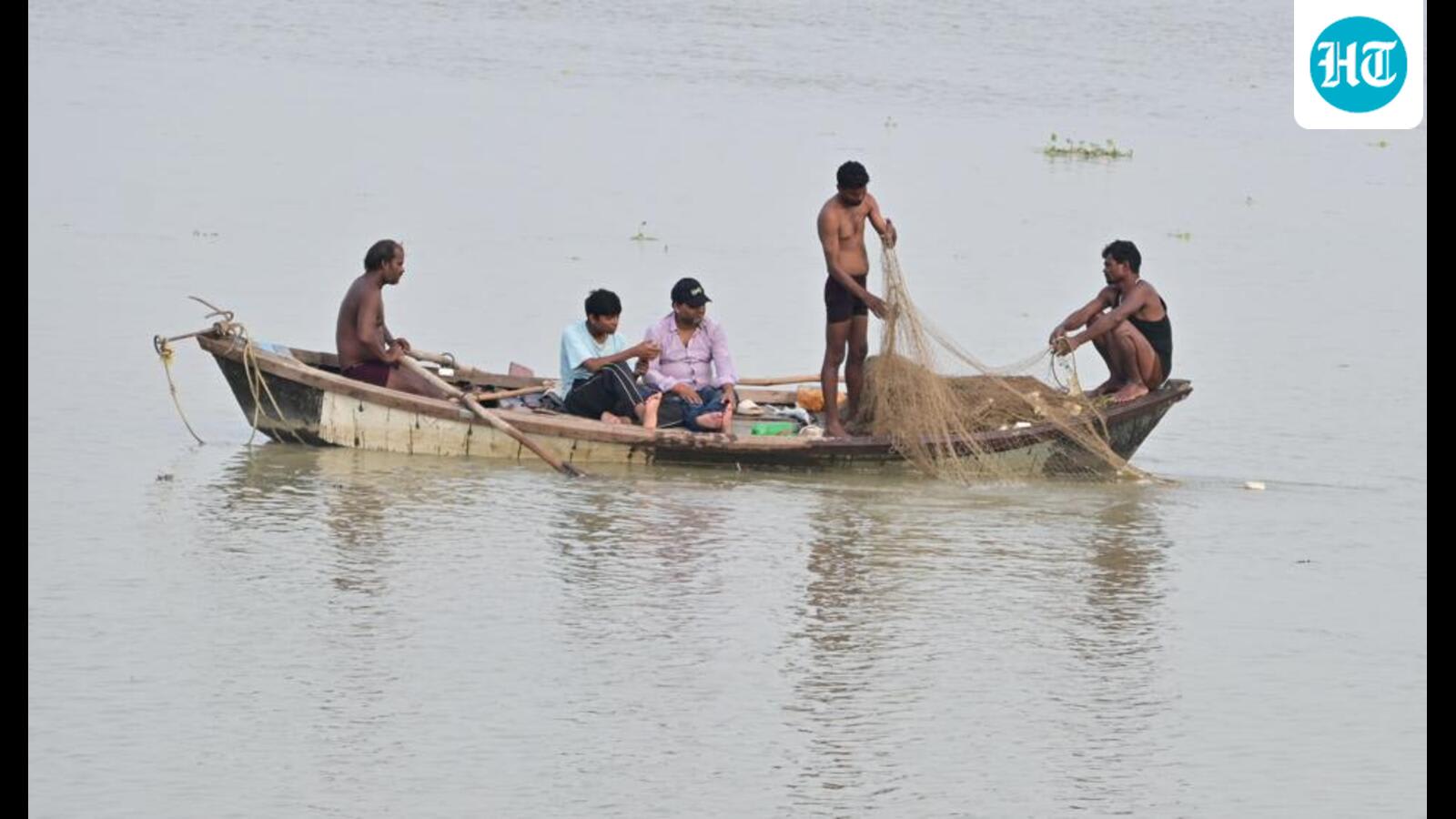
Heavy rainfall in Uttar Pradesh and Uttarakhand has caused major rivers to surge, with the Ganga, Ghaghra, and Sharda breaching danger levels. The Central Water Commission has issued warnings as flood risks escalate across multiple districts.
Severe Flood Risk Escalates Across Uttar Pradesh
Recent heavy rainfall across Uttar Pradesh and the neighboring state of Uttarakhand has triggered a significant hydrological crisis. According to reports from the Central Water Commission (CWC), the state is currently grappling with rising water levels across its major river systems, with the Ganga, Ghaghra, and Sharda rivers breaching their established danger marks in specific regions. This situation underscores the vulnerability of the Gangetic plains to extreme weather events during the monsoon season.
Impacted Regions and River Systems
The hydrological data provided by the CWC highlights widespread concern. The Sharda river is currently flowing above the danger level in Lakhimpur Kheri, while the Ghaghra has crossed the threshold in Barabanki and is showing rising trends in Ballia and Ayodhya. Simultaneously, the Ganga has surpassed the danger mark in Kaushambi. These developments reflect a systemic rise in water volume that threatens to disrupt local livelihoods and infrastructure, as evidenced by the rising water encroaching near the Nagvasuki temple in Daraganj.
Monitoring Trends and Future Risks
While some rivers remain below the danger mark in districts like Mathura (Yamuna), Hapur, Farrukhabad, Budaun, Bulandshahr, and Fatehpur (Ganga), the overall trend is one of continued growth. The rising water levels in the Son river in Varanasi and the Hindon in Gautam Buddha Nagar further complicate the situation. The CWC’s decision to issue a formal warning indicates that the current hydrological state is precarious and requires constant surveillance to prevent catastrophic flooding.
Meteorological Drivers and Context
The primary driver of this flooding is the sustained heavy rainfall occurring in both Uttar Pradesh and the upstream mountainous regions of Uttarakhand. The geography of the region means that precipitation in the Himalayan foothills inevitably manifests as increased discharge in the plains. This historical pattern of monsoon-induced flooding is a recurring challenge for the region, often exacerbated by sediment accumulation and changing weather patterns that lead to high-intensity rain events in shorter timeframes.
Broader Implications for Infrastructure
The encroaching waters pose a direct threat to agricultural lands and riverside settlements. As the Ganga and its tributaries swell, the potential for soil erosion, damage to embankments, and the displacement of local communities increases. The specific mention of areas like Daraganj highlights how urban and religious centers located near riverbanks are particularly exposed to these fluctuations, necessitating robust disaster management protocols and early warning systems to mitigate human and economic losses.
Conclusion and Outlook
The situation remains fluid as authorities track the rising discharge levels. With the CWC actively monitoring the trends, the immediate focus is on managing the downstream flow and ensuring that populations in low-lying areas are prepared for potential evacuations. As the monsoon progresses, the interplay between upstream rainfall and downstream river capacity will remain the critical factor in determining the extent of the flood damage across the state.
Verification Required?