Trump strikes deal with Putin to supply Russian diesel to U.S. and global markets
Source Entity
US Top News and Analysis
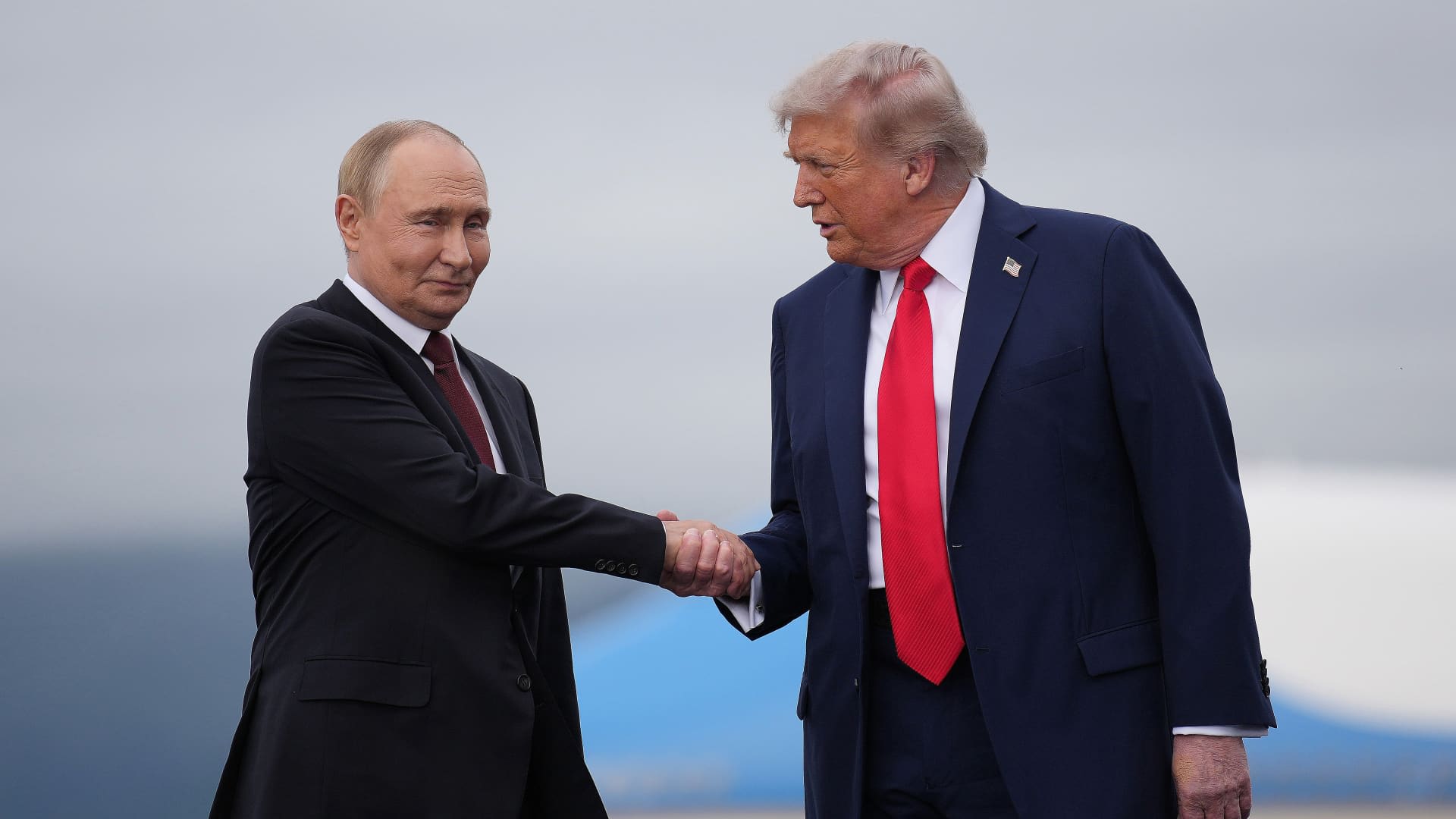
President Trump has brokered a deal with Russia to supply millions of tons of diesel to the global market. This move aims to stabilize surging fuel prices caused by attacks on Russian and Middle Eastern refineries.
Strategic Energy Diplomacy: The Russia-U.S. Diesel Agreement
Addressing Global Fuel Volatility
President Donald Trump recently announced a significant diplomatic and economic breakthrough, revealing that he has struck a deal with Russian President Vladimir Putin to secure a substantial supply of diesel for the U.S. and global markets. This agreement arrives at a critical juncture, as international energy markets have faced immense pressure due to a tightening supply chain. The commitment entails an immediate delivery of over 300,000 tons of diesel, with a phased increase to 500,000 tons in November and a subsequent block of 1 million tons, followed by a potential 3 million tons contingent on the operational capacity of Russian refineries.
The Geopolitical Context of Energy Scarcity
The necessity for this deal is rooted in a series of disruptive events that have crippled refinery output. Ukraine’s targeted strikes on Russian refineries have forced Moscow to implement a ban on diesel exports, removing a key source of supply from the global ecosystem. Simultaneously, the energy sector has been rattled by attacks on Middle Eastern infrastructure orchestrated by Iran and its Houthi allies. These dual-front disruptions created a perfect storm, causing diesel prices to soar and placing immense inflationary pressure on domestic and international economies.
Political Implications and Domestic Pressure
For President Trump, this deal serves as a direct response to the mounting political pressure to mitigate the rising cost of fuel. By securing these supplies, the administration aims to stabilize price volatility that impacts everything from logistics and shipping to agricultural production. The reliance on Russian output, despite ongoing geopolitical tensions, underscores the prioritization of energy security and the immediate need to alleviate the financial burden on consumers and businesses alike.
Logistical Challenges and Refinery Capacity
The success of this agreement hinges heavily on the condition of Russia's refining infrastructure. While the initial tranches of diesel are slated for immediate delivery, the secondary commitment of 3 million tons is explicitly linked to the operational status of Russian facilities. This conditional clause acknowledges the impact of recent military actions on the energy sector’s physical infrastructure, highlighting the fragility of the current global energy supply chain.
Future Trends in Energy Markets
Looking ahead, this development signals a potential shift in how global powers navigate energy security during conflict. By bypassing traditional market constraints through direct executive negotiation, the U.S. is attempting to decouple fuel availability from the immediate effects of regional hostilities. Whether this strategy will lead to sustained price moderation remains to be seen, as it depends on both the durability of the diplomatic agreement and the resilience of the refineries in question. This move likely sets a precedent for future interventions in commodity markets when geopolitical instability threatens national economic stability.