Trump changes Lake Ontario’s name to ‘Lake America’ amid tensions with Canada
Source Entity
RAJEEV SINGH
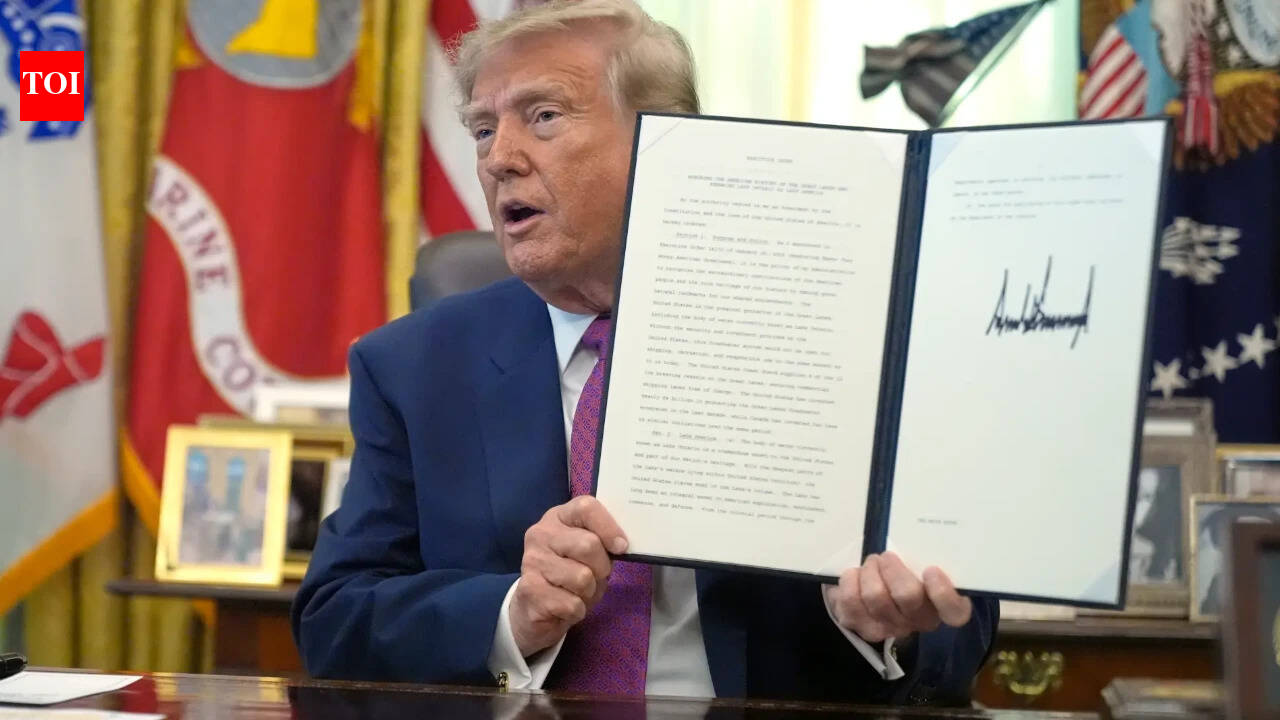
President Trump has signed an executive order renaming Lake Ontario as 'Lake America' for U.S. federal purposes amid ongoing trade disputes with Canada. While the order mandates updates to domestic maps and databases, it holds no authority over Canadian territory or international naming conventions.
The Geopolitical Implications of 'Lake America'
President Donald Trump has officially signed an executive order directing U.S. federal agencies to rename Lake Ontario as 'Lake America.' This move, announced on August 25, serves as a symbolic and administrative gesture amidst a period of deteriorating trade relations between the United States and Canada. By altering the nomenclature used in U.S. government documents, maps, and databases, the administration is signaling a significant shift in diplomatic posture, moving from traditional bilateral cooperation toward a more assertive, nationalist stance regarding shared continental geography.
Administrative Scope and Limitations
It is critical to distinguish between domestic administrative authority and international sovereign jurisdiction. While the executive order mandates that all U.S. agencies adopt the new name, the President lacks the legal standing to compel Canada, international maritime bodies, or private mapmakers to follow suit. Consequently, the lake will likely remain 'Lake Ontario' in the eyes of the international community and on the Canadian side of the border. This creates a dual-naming reality, where the body of water is officially identified differently depending on the jurisdiction of the observer.
Historical Precedent and Patterns
This decision represents a continuation of a specific policy trend established early in the administration's second term. The renaming of the Gulf of Mexico to the 'Gulf of America' for U.S. government use serves as the direct precursor to the current action. By treating geographic nomenclature as a tool of statecraft, the administration is attempting to project influence over shared resources and regional identity. The President’s own comments regarding the potential renaming of the Atlantic or Pacific oceans suggest a broader, albeit highly unconventional, strategy of using geographic labels to reflect shifting foreign policy priorities.
The Economic Backdrop of Trade Tensions
The impetus for this decision is rooted in the collapse of recent U.S.-Canada trade negotiations. The rhetoric surrounding the name change—specifically the President’s statement that the U.S. does not expect to conduct significant business with Ontario—highlights the severity of these economic frictions. By renaming a major shared resource, the administration is using symbolic nationalism to signal to domestic stakeholders that the era of unfettered regional trade integration is being replaced by a more contentious, protectionist framework.
Future Trends and Diplomatic Consequences
Looking forward, this policy of 'geographic re-branding' could lead to significant confusion in navigation, scientific research, and international legal proceedings. As federal databases are updated to reflect 'Lake America,' discrepancies with global standards will inevitably arise, potentially complicating cross-border logistics and environmental management of the Great Lakes system. Furthermore, this move may harden Canadian public sentiment, making future trade reconciliation more difficult. The long-term efficacy of using nomenclature as a diplomatic weapon remains highly questionable, as it risks alienating key allies without providing tangible economic or strategic advantages.
Multiple Citing Sources