Congress Will Not Join Omar Abdullah's Cabinet, But Will Continue Support
Source Entity
NDTV News Search Records Found 1000
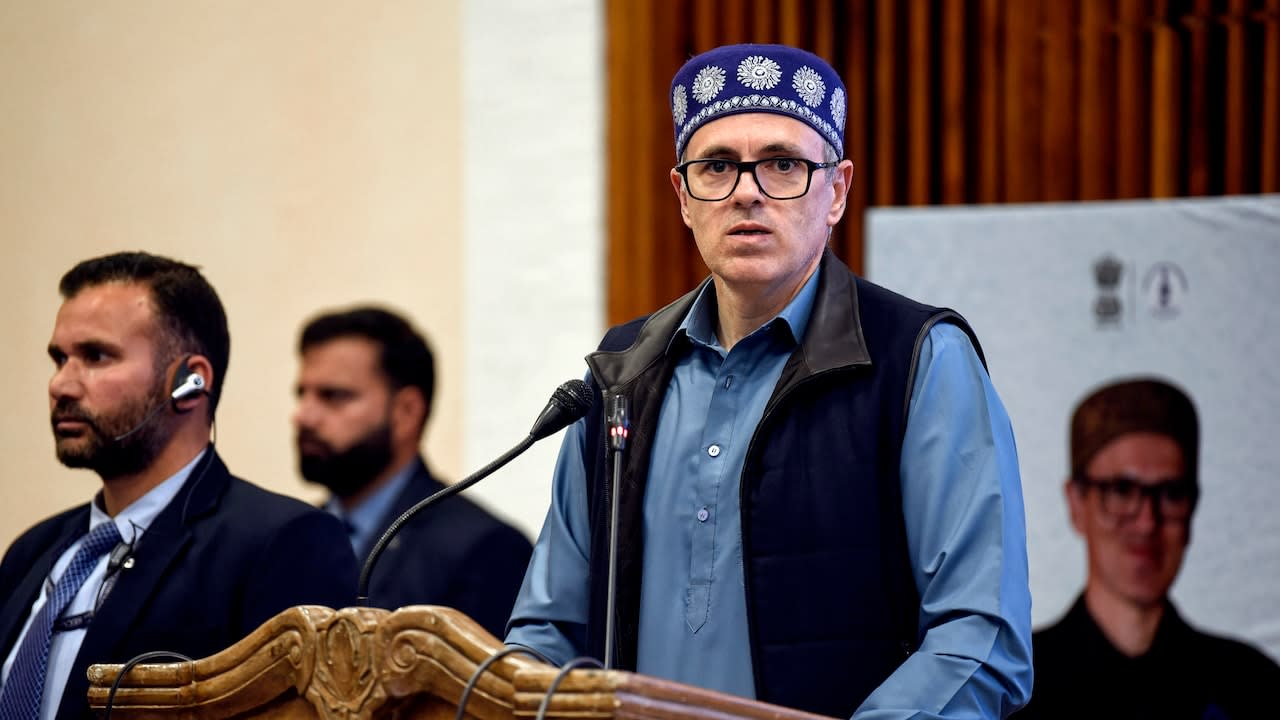
The Congress party has declined an invitation to join Omar Abdullah's National Conference cabinet in Jammu and Kashmir. The party maintains that it will only participate in the government once the region's full statehood is formally restored.
The Political Standoff in Jammu and Kashmir
Following the 2024 election results, a significant political dynamic has emerged in Jammu and Kashmir, characterized by a strategic distance between the National Conference (NC) and the Indian National Congress. While both parties contested the elections as part of a pre-poll alliance, the post-election landscape has seen the Congress party decline a formal invitation to join Omar Abdullah’s cabinet. This decision marks a pivotal moment in the region's governance, as it highlights the ongoing tension between electoral cooperation and long-term legislative objectives.
The Principle of Statehood Restoration
The core of the Congress party's refusal to join the ministry is rooted in what they describe as a 'principled stand.' The party leadership has explicitly stated that they will not participate in the executive branch of the J&K government until the region's statehood is fully restored. This stance is not merely a tactical maneuver but a reflection of the party's broader commitment to reversing the administrative changes that followed the 2019 reorganization of the region. By remaining outside the cabinet, the Congress aims to maintain its moral and political leverage on the issue of constitutional rights.
Navigating the Alliance Dynamics
Despite the refusal to accept ministerial berths, the Congress has reaffirmed its commitment to continue supporting the National Conference government from the outside. This arrangement allows the NC to form a stable government while enabling the Congress to avoid being directly associated with the limitations of the current administrative setup. The tension that began shortly after the 2024 results suggests that while the two parties remain aligned on broad governance goals, their institutional priorities differ significantly regarding the legitimacy of the current political structure.
Historical Context and Constitutional Implications
The refusal to join the cabinet is deeply tied to the historical transition of Jammu and Kashmir from a state to a Union Territory. The Congress party’s rhetoric emphasizes the 'usurpation of constitutional rights,' framing their absence from the cabinet as a form of protest against the current political status of the region. This narrative is significant because it positions the Congress as a champion of regional autonomy and democratic restoration, potentially influencing voter perception in future electoral cycles.
Future Outlook and Political Stability
Looking ahead, this arrangement of external support will likely test the resilience of the NC-Congress alliance. Omar Abdullah faces the challenge of governing effectively while managing a partner that is technically supportive but politically distanced. If the central government delays the restoration of statehood, the pressure on the Congress to justify its 'principled stand' while remaining a support pillar for the NC will only intensify. Ultimately, the stability of this government depends on how well both parties manage these competing pressures without compromising their respective political identities.
Verification Required?