Trump signs bonkers order that cuts vaccines, promotes ones that don't exist
Source Entity
Beth Mole
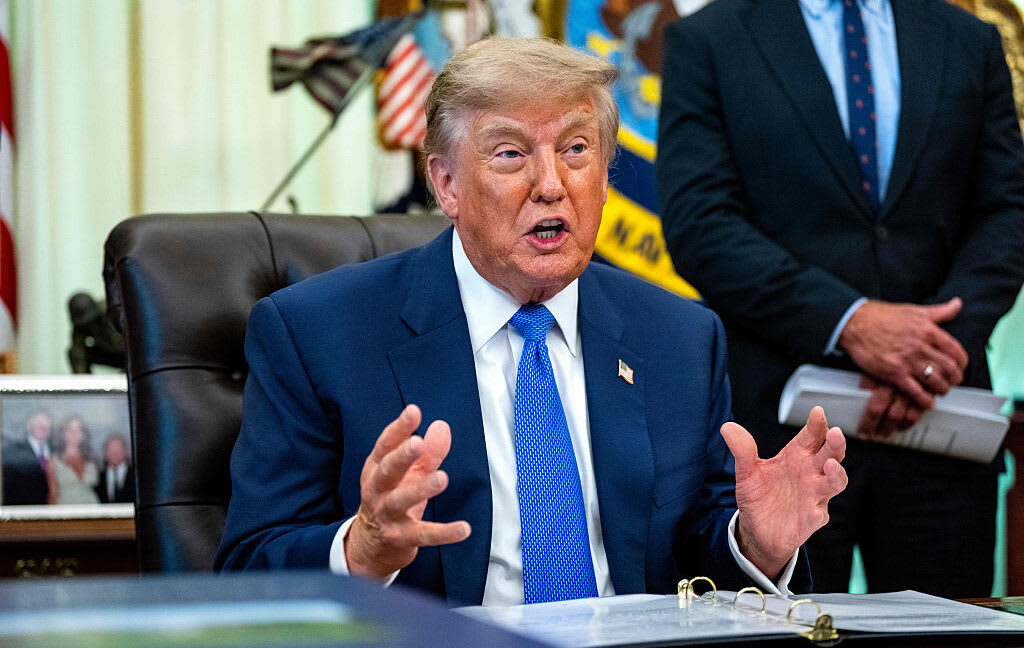
President Trump has signed an executive order reducing recommended childhood vaccines from 18 to 11 and mandating the separation of the MMR vaccine. These changes, championed by HHS Secretary RFK Jr., rely on debunked claims linking vaccines to autism and immune system overload.
Executive Order Reshapes Federal Vaccine Policy
On August 10, 2026, President Donald Trump signed a significant executive order aimed at fundamentally altering the federal recommendations for childhood immunizations. The directive mandates a reduction in the number of recommended childhood shots from 18 to 11 and calls for the separation of the measles, mumps, and rubella (MMR) vaccine into three distinct doses administered during separate medical visits. This policy shift is being spearheaded by Secretary of Health and Human Services Robert F. Kennedy Jr., a known vaccine skeptic, marking a dramatic departure from established public health consensus.
The Basis of the Policy Shift
The administration’s justification for this order rests on the assertion that the current volume of childhood vaccines is excessive. During the signing ceremony in the Oval Office, President Trump suggested that the health landscape was superior in previous decades when children received fewer vaccinations. However, these claims are explicitly tied to the assertion that there is a causal link between vaccinations and autism—a theory that has been extensively studied and repeatedly debunked by the global scientific and medical communities. The administration further promotes the idea that multiple vaccinations can "overwhelm" a child's immune system, a concept that lacks supporting evidence in clinical immunology.
Rejection of Medical Consensus
The American Academy of Pediatrics (AAP) currently recommends 18 vaccines to ensure comprehensive protection against preventable childhood diseases. By moving to reduce this number to 11, the administration is breaking from the "gold standard" of pediatric care. The policy also specifically targets the MMR vaccine, demanding that it be split into individual components. This move ignores decades of peer-reviewed data demonstrating that the combined MMR vaccine is safe, effective, and crucial for maintaining high herd immunity levels required to prevent outbreaks of measles, mumps, and rubella.
Broader Public Health Implications
The societal implications of this executive order are profound. Public health experts warn that by legitimizing debunked fears and reducing the frequency of protective measures, the administration risks a resurgence of vaccine-preventable diseases. The shift toward a more fragmented immunization schedule—requiring more medical visits and fewer simultaneous protections—may create logistical barriers for families, potentially lowering overall vaccination rates across the country.
Historical Context and Future Trends
This executive order represents a historic pivot in the role of the federal government in pediatric health. Historically, the Centers for Disease Control and Prevention (CDC) and other health agencies have relied on rigorous clinical data to set schedules. This move signals a transition toward a policy framework driven by political skepticism rather than medical evidence. Moving forward, the medical community will likely face significant challenges in reconciling these new federal recommendations with established clinical best practices, potentially leading to a fractured landscape of pediatric care where state-level mandates and private practice standards may diverge sharply from federal guidance.
Multiple Citing Sources