Trump Signs Russia Sanctions Bill, Clears Way For 100% India Tariffs
Source Entity
NDTV News Search Records Found 1000
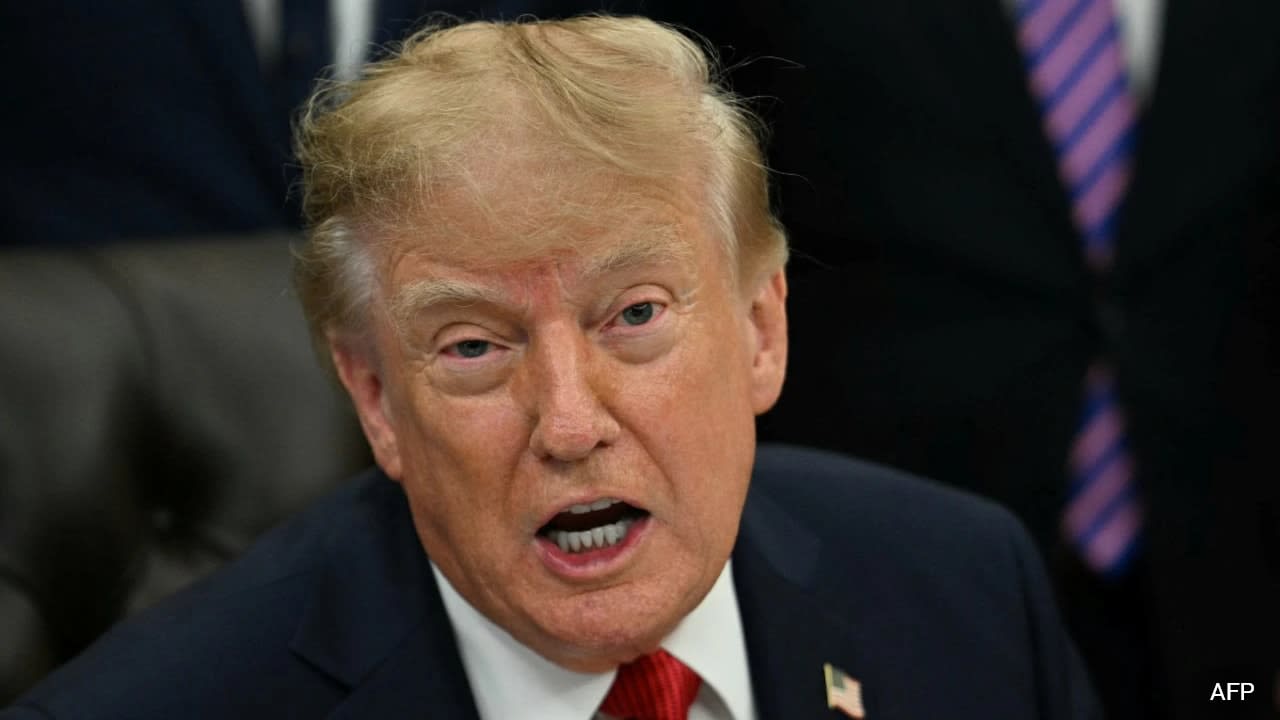
President Trump has signed the 'Lindsey O. Graham Sanctioning Russia and Iran Act of 2026' into law, granting the U.S. authority to impose up to 100% tariffs on major importers of Russian oil. This legislation specifically impacts nations like India and China, creating significant diplomatic friction regarding energy security and bilateral relations.
The Graham Sanctioning Act: A New Era of Energy Diplomacy
On September 18, 2026, President Donald Trump signed H.R. 5334, officially titled the “Lindsey O. Graham Sanctioning Russia and Iran Act of 2026.” This sweeping legislative package marks a significant shift in U.S. foreign policy, explicitly targeting the energy trade of Russia and Iran. By authorizing broad sanctions on Russian officials, financial institutions, and the nation’s 'shadow fleet,' the act solidifies a confrontational stance against nations that continue to facilitate the Russian energy economy.
Targeting the Energy Lifeline
The most controversial provision of the act is the authorization for the White House to impose tariffs of up to 100% on the top five importers of Russian oil. By targeting the primary consumer base, the U.S. government is attempting to leverage its economic power to constrict the revenue streams funding the Russian state. This policy represents a shift from traditional diplomatic pressure to direct economic intervention against third-party sovereign nations that remain dependent on Russian energy supplies.
Implications for India’s Strategic Autonomy
For New Delhi, the enactment of the Graham Bill presents a direct challenge to its policy of strategic autonomy. Indian officials, including External Affairs Minister S. Jaishankar, have emphasized the necessity of ensuring energy security for India’s 1.4 billion citizens. The prospect of 100% tariffs threatens to destabilize India's energy imports and has prompted warnings from the Indian government regarding the potential negative consequences for India-US bilateral ties.
Geopolitical Tensions and Global Markets
The legislation does not merely target India; it creates a wider ripple effect involving China and other major importers. Both Russia and China have publicly expressed discontent, viewing the sanctions as an overreach of U.S. domestic law into global energy markets. This move risks alienating key partners and potentially forcing countries to seek alternative energy arrangements that could further distance them from the Western financial system.
Future Trends and Diplomatic Hurdles
Looking ahead, the implementation of this act will likely be defined by a delicate balancing act. While the U.S. seeks to weaken Russia’s capacity to wage war, it must also manage the risk of damaging essential strategic partnerships in the Indo-Pacific region. Analysts expect that the 'potential consequences' mentioned by Indian leadership will lead to intense diplomatic negotiations aimed at securing exemptions or mitigating the impact of these tariffs to prevent a full-scale rupture in the India-US strategic partnership.
Conclusion
The passage of the Lindsey O. Graham Sanctioning Russia and Iran Act of 2026 represents a blunt-force approach to international energy politics. By prioritizing the disruption of Russian revenue through aggressive tariff threats, the U.S. has placed its bilateral relationships, particularly with India, under significant strain. The coming months will determine whether this policy achieves its intended geopolitical goals or serves as a catalyst for a realignment of global energy dependencies.
Verification Required?