Donald Trump's Tariff Policy Has Repeatedly Triggered Multi-Trillion-Dollar Stock Swings Since Early 2025. Here's Why Markets Still Struggle to Price In His Next Move.
Source Entity
Yahoo Finance
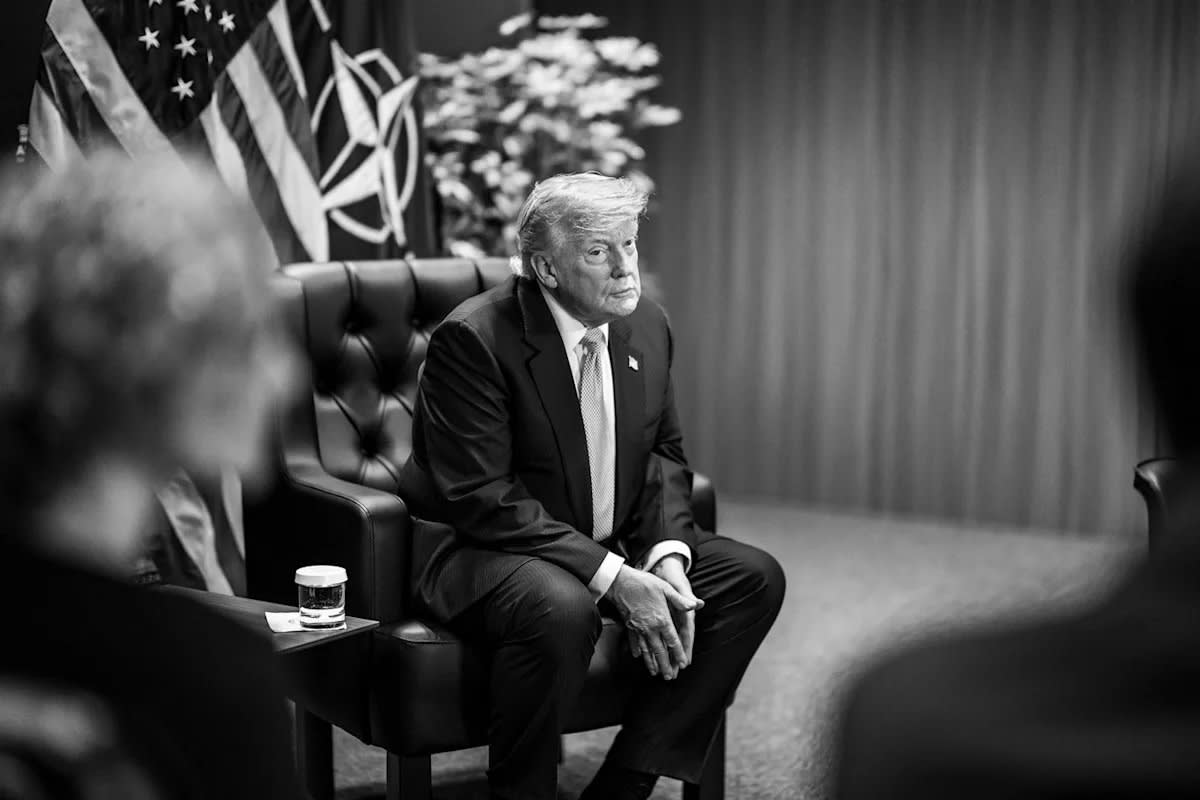
President Donald Trump's tariff policies have fueled significant market volatility, creating sharp, short-term fluctuations in the S&P 500. Despite this, historical data shows strong long-term returns under his administration, even as investors grapple with seasonal anomalies and geopolitical tensions.
The Paradox of Prosperity and Volatility Under Trump
President Donald Trump’s tenure has been defined by a unique economic paradox: while the broader market indices—including the Dow Jones Industrial Average, the S&P 500, and the Nasdaq Composite—have historically outperformed those under many of his predecessors since the late 1890s, this growth has been punctuated by intense, policy-driven volatility. Investors are currently navigating a landscape where the traditional predictability of market cycles is frequently disrupted by sudden executive actions, most notably in the realm of international trade.
The Tariff Effect and Market Whiplash
The impact of trade policy on investor sentiment was starkly illustrated on April 3, 2025. Following the implementation of the "Liberation Day" tariffs, the S&P 500 experienced a sharp 4.8% decline, with major technology players—the "Magnificent Seven"—facing significant downward corrections. However, the resilience of the market was equally notable; within six trading days, the losses were effectively erased. This phenomenon has created a cycle of "market whiplash," where investors are forced to recalibrate their risk profiles almost overnight, struggling to determine whether rapid sell-offs are buying opportunities or indicators of a deeper structural crash.
Structural Shifts in Market Volatility
A critical development during the 2026 fiscal year has been the shift in how volatility manifests. Rather than moving the entire index in lockstep, market tremors are becoming increasingly concentrated in individual stocks. Data from CBOE Global Markets highlights this trend, noting that the gap between average single-stock volatility and index-wide volatility reached a record high of 31% in July 2026. This suggests that while the aggregate market may appear stable, the underlying components are experiencing erratic movements, likely driven by how specific companies are exposed to the President's shifting trade and regulatory agendas.
The Historical Context of Policy-Driven Growth
To understand the current bull market, one must look back at the long-term influence of policy on corporate performance. The Tax Cuts and Jobs Act of 2017, which reduced the corporate tax rate to 21%, remains a foundational pillar for the sustained buybacks and earnings growth that have characterized the Trump economic era. This policy-driven tailwind has worked in tandem with organic technological advancements, such as the rise of artificial intelligence, to maintain high annualized returns despite the intermittent geopolitical and fiscal pressures.
Navigating the "September Effect" and Geopolitical Uncertainty
Beyond tariff policy, the market is currently contending with the "September Effect," a historical anomaly where the ninth month of the year consistently underperforms. This year, the seasonal trend is exacerbated by a "perfect storm" of macroeconomic and geopolitical concerns. These include sticky inflation, elevated energy prices, high U.S. Treasury yields, and a volatile national debt trajectory. Furthermore, the market is balancing the risks of a U.S.-Canada trade war and an active conflict between the U.S. and Iran, all while investors continue to debate the longevity of the current AI-driven bubble.
Conclusion: The Future of Investor Strategy
Ultimately, the current market climate requires a departure from traditional passive investing strategies. As volatility becomes increasingly idiosyncratic and linked to the President's next policy move, investors are moving away from index-based confidence toward a more granular, stock-specific analysis. While history suggests that the long-term trajectory remains positive, the near-term path is undeniably fraught with the risks of policy-induced shocks and a complex, multi-front global geopolitical environment.