Trump vows to stop U.S. companies from building data centers abroad, threatens 'tremendous tax'
Source Entity
US Top News and Analysis
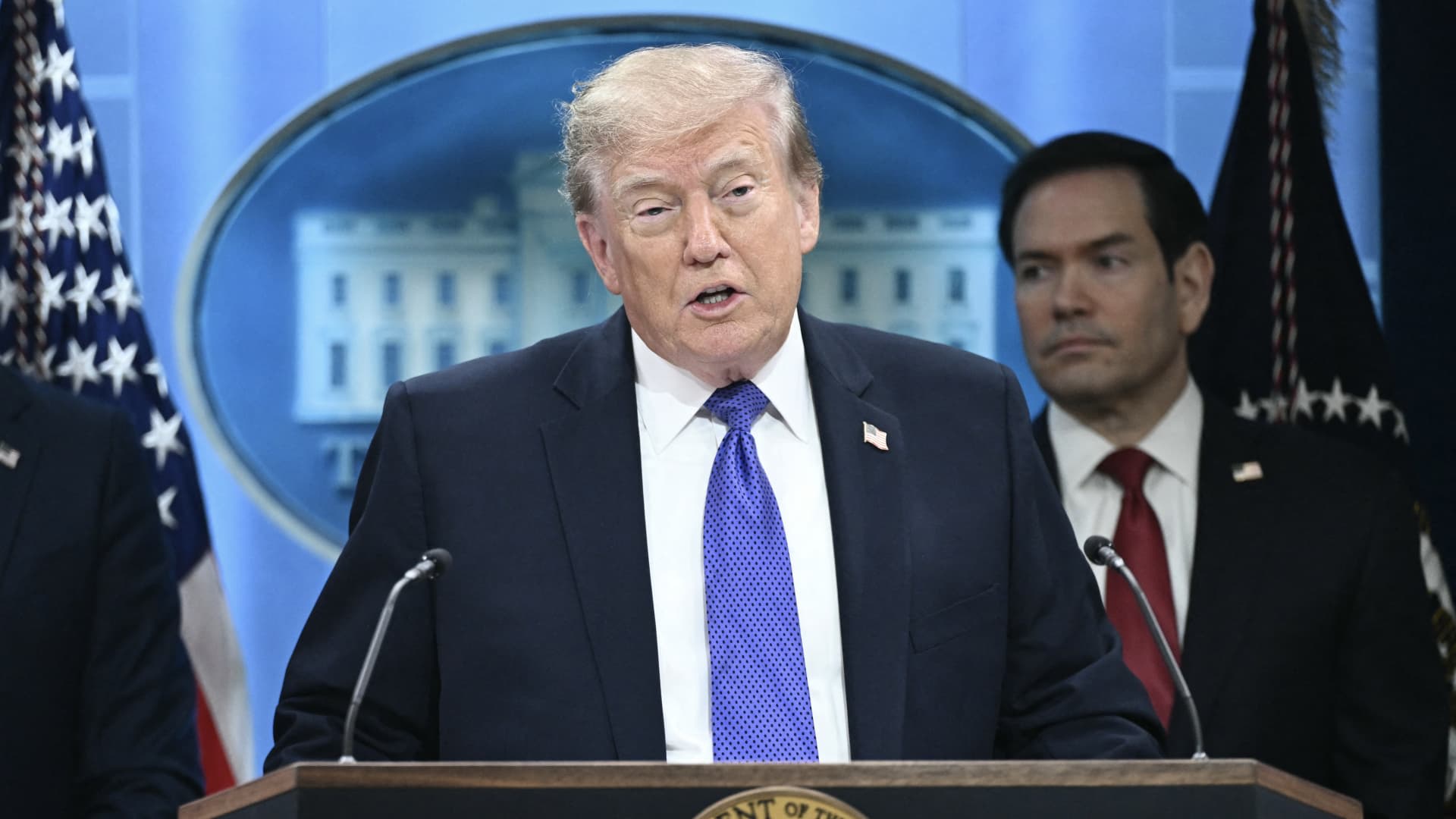
President Trump has threatened U.S. tech firms with heavy taxes if they build AI data centers abroad, citing national security and infrastructure concerns. The policy, announced unexpectedly at a press conference, contrasts with significant public opposition to local data center development.
The Shift Toward Domestic AI Infrastructure
President Donald Trump has introduced a significant shift in U.S. technology policy by vowing to restrict American companies from constructing artificial intelligence (AI) data centers on foreign soil. During a White House press conference, the President stated that firms opting to build abroad would face a "tremendous tax" penalty. This policy, which appeared to be announced without prior consultation with his own administration, signals a move toward aggressive protectionism regarding the physical backbone of the digital economy.
National Security and Strategic Control
The core of the administration's argument rests on the necessity of maintaining sovereign control over critical infrastructure. As AI becomes the primary driver of technological and military superiority, the physical location of data processing centers has become a matter of national security. By asserting that "China will take all of them" should U.S. firms look elsewhere, the President is framing the location of data infrastructure as a geopolitical contest. This follows a high-stakes trilateral summit involving the leaders of China and Russia, underscoring the global tension surrounding AI development.
The Internal Policy Disconnect
A notable aspect of this announcement was its spontaneous nature. The President acknowledged that the policy had not been discussed with his staff before the briefing, leaving questions regarding the legislative path or executive authority required to implement such a tax. The presence of Vice President JD Vance and Secretary of State Marco Rubio at the briefing suggests a high-level focus on this issue, yet the lack of formal coordination indicates that the administration is still in the early stages of operationalizing this directive.
Public Resistance and Local Community Dynamics
While the administration seeks to anchor AI infrastructure within the United States, it faces a significant domestic hurdle: public sentiment. Data centers are increasingly viewed as undesirable neighbors due to their massive energy consumption and land use. The CNBC All-America Economic Survey highlights this disconnect, revealing that 64% of registered voters oppose having an AI data center within 10 miles of their homes. Despite this, the White House is actively encouraging local communities to embrace these projects, suggesting that towns should negotiate financial contributions from developers to mitigate local impact.
Future Trends and Corporate Implications
The potential for a "tremendous tax" on international expansion forces U.S. technology firms to recalibrate their global supply chains and infrastructure investments. While companies like Anthropic have received praise from the administration, they now operate in a climate of increased regulatory scrutiny regarding where they base their operations. Moving forward, the tension between the federal government's desire for domestic consolidation and the local communities' skepticism of these facilities will define the landscape of American AI development for years to come.