Trump threatens fresh strikes on Iran after New Year if talks fail
Source Entity
TRISHA MAHAJAN
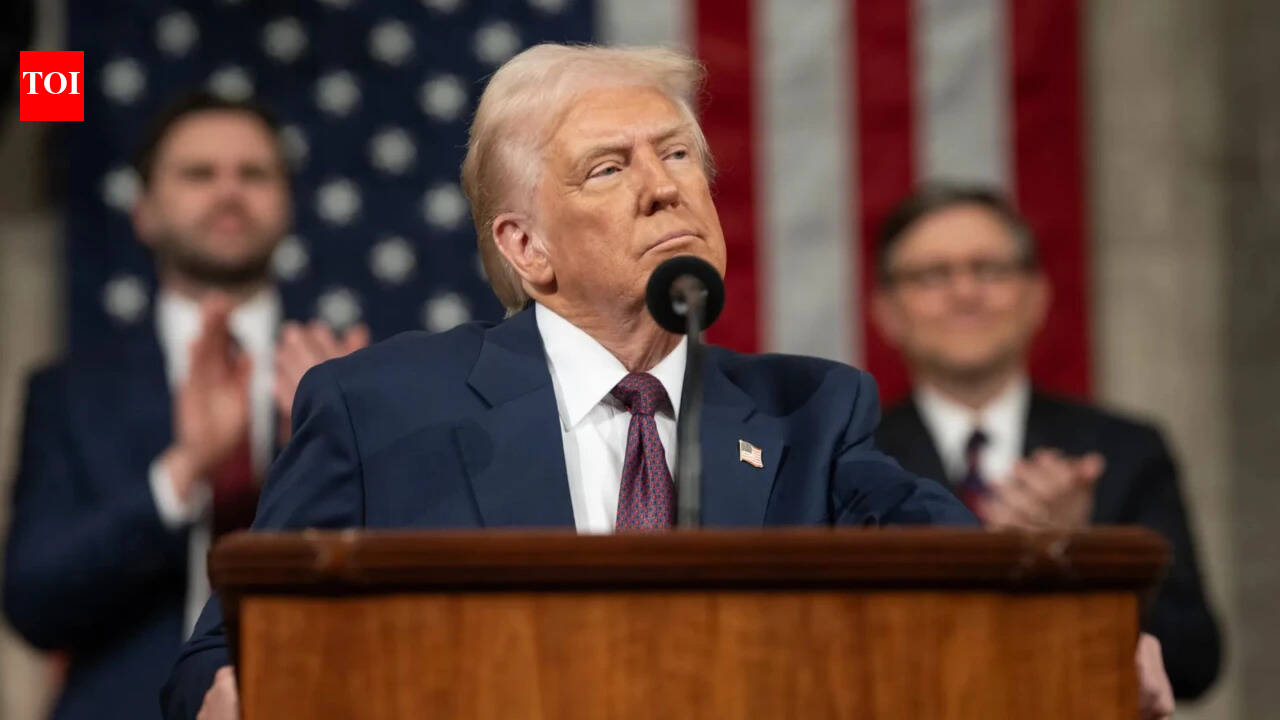
President Donald Trump has threatened fresh military strikes on Iran following the New Year if current diplomatic negotiations remain stalled. Trump criticized Iranian officials for their perceived lack of progress, while tensions remain high due to alleged IRGC attacks in Bahrain and internal anti-government protests.
The Escalation of US-Iran Tensions
US President Donald Trump has issued a stern warning regarding the future of US-Iran relations, indicating a potential shift toward military action following the New Year. This ultimatum comes as diplomatic channels between Washington and Tehran appear to be at a critical impasse, with the President explicitly expressing his frustration over what he characterizes as a lack of substantive progress in negotiations.
The 'Professional Tap Dancers' Critique
The President’s rhetoric has intensified, notably branding Iranian negotiators as "professional tap dancers." This colorful, albeit dismissive, characterization reflects the administration's belief that Tehran is intentionally stalling, utilizing diplomatic talk as a stalling tactic rather than a pathway to a meaningful agreement. By labeling the negotiations as "all talk" and "meaningless," the administration is signaling that the patience for traditional diplomacy is rapidly evaporating.
Military Hostility and IRGC Involvement
The geopolitical volatility is further fueled by claims regarding regional security. Reports indicate that the Islamic Revolutionary Guard Corps (IRGC) has claimed responsibility for attacks on US military positions in Bahrain. Such actions serve as a physical manifestation of the "escalating military aggression" cited by the White House, complicating any potential for a peaceful resolution. These incidents underscore the high stakes involved, as the US military remains a direct target in the region.
Domestic Instability in Iran
Beyond external aggression, the internal situation in Iran remains a significant factor in this diplomatic tug-of-war. Anti-government protests have reportedly re-emerged within the country, creating a secondary front for the Iranian leadership. President Trump has actively encouraged these demonstrators, framing their dissent as a legitimate response to the current regime's policies. This overt support for domestic opposition further hardens the divide between the two nations.
Future Trends and Strategic Implications
As the New Year approaches, the strategic calculus for both nations remains fraught with uncertainty. The threat of military strikes suggests that the administration is prepared to move beyond sanctions and isolation if Iran does not alter its negotiating stance. Conversely, the increased aggression noted in Iranian diplomatic efforts post-election suggests that Tehran may be adopting a more combative posture in response to external pressure. The coming weeks will be decisive in determining whether this rhetoric leads to a de-escalation or a significant flare-up in regional conflict.