'Nuclear holocaust' risk: Trump claims Iran missiles can reach Europe
Source Entity
PRANJAL PANDEY
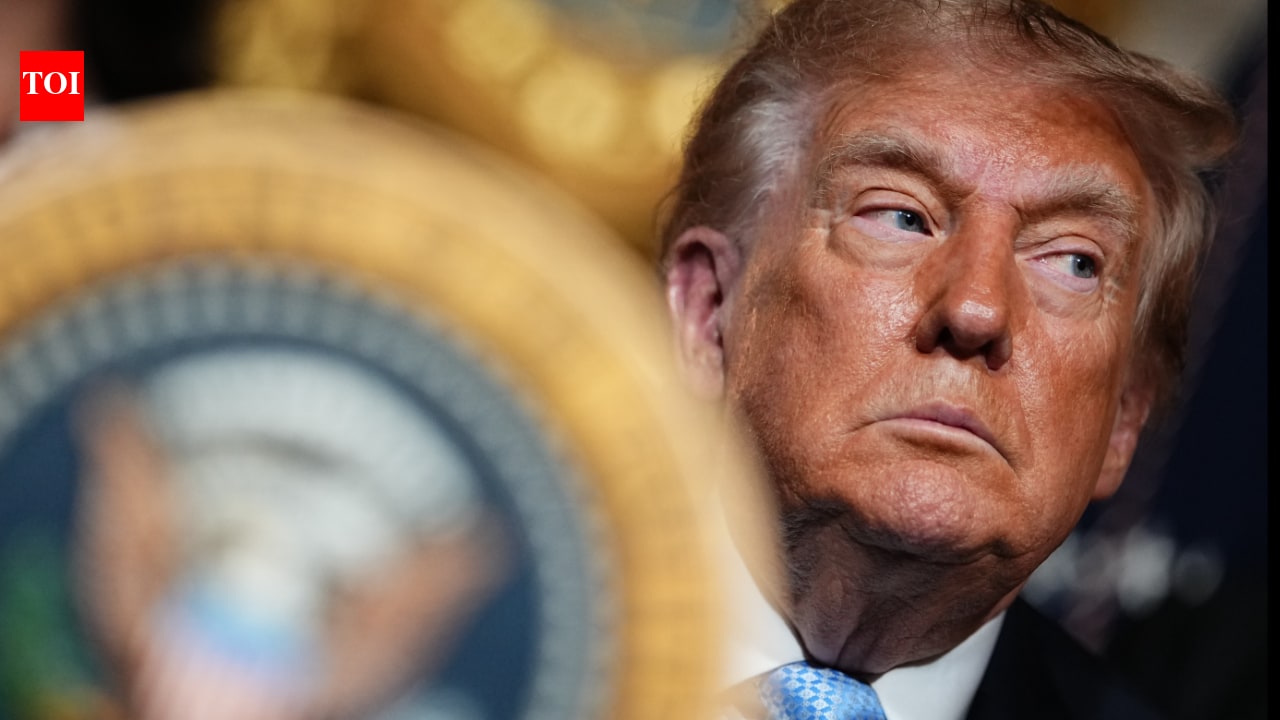
President Donald Trump has warned that Iran's missile capabilities pose a significant threat to Europe. He emphasized the necessity of regional stability to prevent a potential nuclear conflict in the Middle East.
The Escalating Rhetoric on Iran's Missile Capabilities
During a Thanksgiving address to U.S. military personnel from his Mar-a-Lago residence, President Donald Trump articulated significant concerns regarding Iran’s evolving military technology. The core of his warning centers on the assertion that Iran possesses ballistic missile systems capable of reaching European territories. While he clarified that these missiles do not currently threaten the United States mainland, the acknowledgment of their reach into Europe signals a strategic shift in how the administration views the threat landscape of the Middle East.
Assessing the Strategic Threat to Europe
The President’s comments highlight a growing anxiety regarding the proliferation of missile technology in the region. By specifically noting the vulnerability of European nations, Trump is framing Iran’s defense posture as a global security issue rather than a localized geopolitical dispute. This perspective effectively pressures European allies to take a more active role in monitoring Iranian military advancements and potentially aligning their defense policies more closely with those of the United States to address these shared security concerns.
The 'Nuclear Holocaust' Warning and Regional Stability
Perhaps the most striking element of the President's remarks was the invocation of a "nuclear holocaust" as a potential outcome of regional instability. This rhetorical framing underscores the gravity of the current diplomatic impasse. By linking the lack of peace in the Middle East directly to the existential threat of nuclear weapons, the administration is underscoring the urgency of its foreign policy objectives. The warning serves as both a deterrent against Iranian aggression and a rallying cry for increased regional defense cooperation.
The Role of International Agreements and Current Status
Crucially, President Trump acknowledged that Iran does not currently possess a nuclear weapon, a detail that remains central to international non-proliferation efforts. This admission serves as a vital anchor for the current debate, distinguishing between the possession of delivery vehicles—such as long-range missiles—and the actual development of nuclear warheads. This distinction is paramount for international observers and diplomatic bodies who rely on verification and international agreements to mitigate the risk of nuclear escalation.
Future Implications for U.S. Policy
Moving forward, the U.S. strategy appears to focus on a dual-track approach: supporting local allies in the Middle East to bolster their self-defense capabilities while simultaneously keeping a watchful eye on Iranian technological advancements. Trump’s stated goal of achieving peace in the region suggests that the U.S. will continue to prioritize alliances as a buffer against instability. As the geopolitical situation evolves, the focus will likely remain on whether diplomatic or economic pressure can successfully prevent the transition from conventional missile capability to nuclear weaponization.