Trump warns U.S. strikes on Iran could get ‘really bad’ next week with power plants targeted
Source Entity
US Top News and Analysis
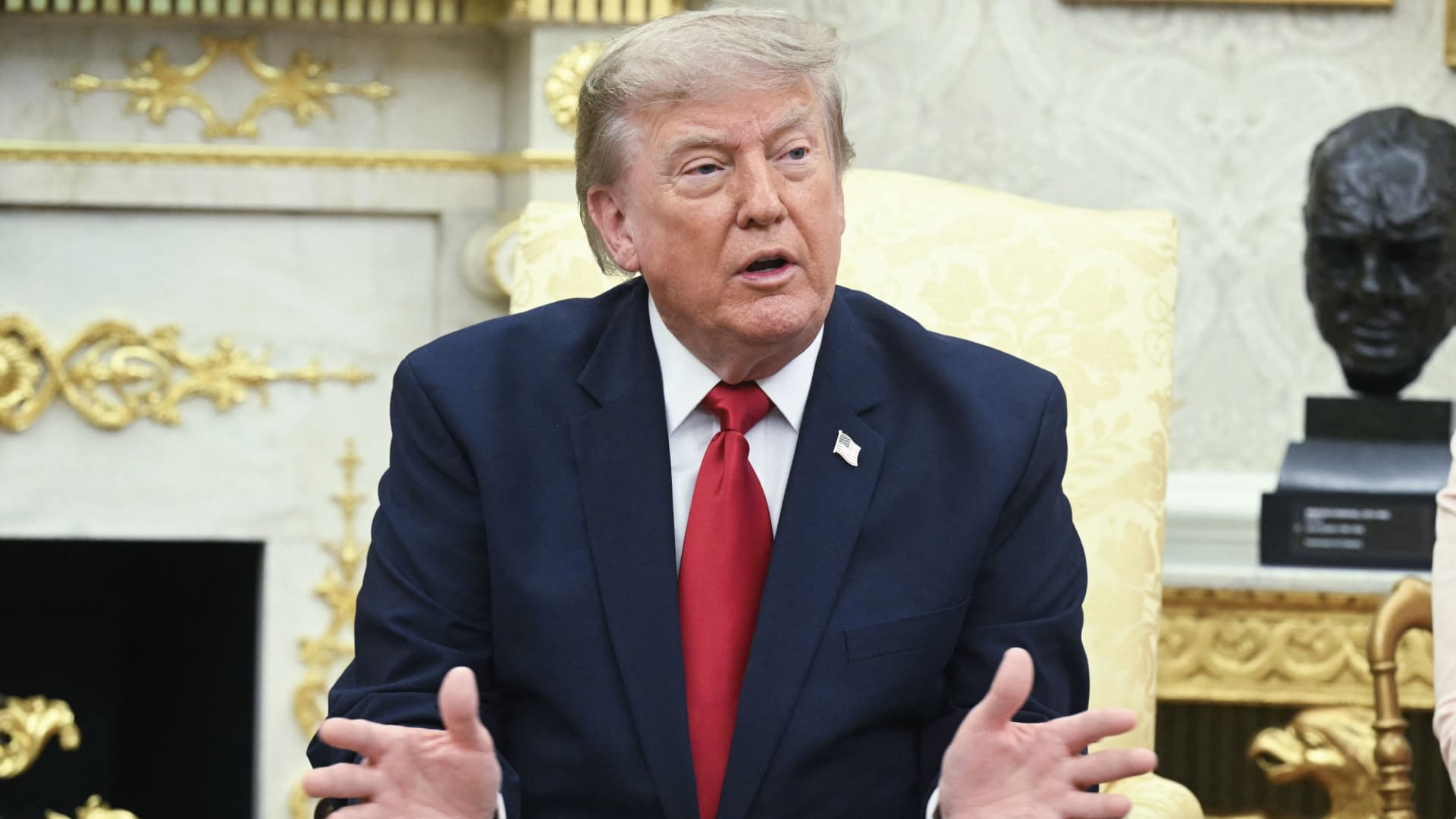
President Trump has issued a stern warning that U.S. military actions against Iran could escalate significantly next week, with a specific threat to target Iranian power plants if the country fails to cooperate.
Escalation Risks: Analyzing Trump's Warning of Strikes on Iranian Infrastructure
The recent declaration by President Trump that U.S. strikes on Iran could become "really bad" next week marks a significant escalation in the rhetoric surrounding Middle Eastern stability. By specifically mentioning the targeting of power plants, the administration is signaling a shift from traditional military-to-military engagement toward the targeting of critical national infrastructure. This strategy is designed to exert maximum pressure on the Iranian government by threatening the basic operational capacity of the state and the daily lives of its citizens, thereby forcing a diplomatic or behavioral concession.
The Strategic Logic of Infrastructure Targeting
Targeting power plants is a high-stakes gamble that moves the conflict beyond tactical military objectives. From a strategic standpoint, disabling electrical grids can paralyze military command-and-control systems, disrupt industrial production, and create widespread internal instability. By threatening these assets, the U.S. is utilizing a form of "coercive diplomacy," where the threat of catastrophic infrastructure failure is used as leverage to ensure Iranian cooperation. This approach suggests that the U.S. is no longer focused solely on containment or surgical strikes against proxies, but is instead considering a broader campaign to degrade Iran's national capabilities.
Historical Context of U.S.-Iran Tensions
To understand the gravity of this warning, one must look at the historical trajectory of U.S.-Iran relations, characterized by decades of mutual distrust and cyclical escalations. This current tension is an extension of the "Maximum Pressure" campaign, which sought to isolate Iran economically and politically. Previous flashpoints—such as the 2020 assassination of General Qasem Soleimani and the collapse of the JCPOA (Joint Comprehensive Plan of Action)—have set a precedent where sudden, decisive military action is used to signal resolve. The current threat to power plants represents a new tier of aggression that exceeds previous norms of engagement.
Broader Geopolitical and Regional Implications
An attack on Iranian power plants would likely trigger a systemic reaction across the Middle East. Regional allies, such as Saudi Arabia and the UAE, would find themselves in a precarious position, potentially facing retaliatory strikes from Iranian-backed proxies in Iraq, Syria, or Yemen. Furthermore, such an escalation could embolden other regional actors to take more aggressive stances, potentially destabilizing the fragile balance of power in the Levant and the Persian Gulf. The warning serves not only as a message to Tehran but as a signal to the global community that the U.S. is willing to risk a wider regional war to achieve its objectives.
Economic Risks and Global Energy Markets
Beyond the immediate military concerns, the threat of strikes on Iran carries profound implications for global energy markets. Iran's proximity to the Strait of Hormuz—a chokepoint through which a significant portion of the world's oil passes—means that any major escalation could lead to a spike in crude oil prices. If Iran perceives a direct threat to its critical infrastructure, it may respond by disrupting oil transit, leading to global inflation and economic volatility. The intersection of military strategy and energy security makes this specific warning a matter of global economic concern, not just a regional political dispute.
Future Predictions and Potential Outcomes
Looking forward, the next week will be critical in determining whether this rhetoric leads to kinetic action or a diplomatic breakthrough. There are two primary likely scenarios: first, Iran may offer a strategic concession or engage in a level of cooperation that satisfies the U.S. administration to avoid the loss of critical infrastructure. Second, the warning could backfire, prompting Iran to launch preemptive strikes or increase its cyber-warfare capabilities against U.S. assets. The precision of the "next week" timeline suggests a deliberate attempt to create a sense of urgency, leaving little room for prolonged negotiation.
Summary
In conclusion, the threat to target Iranian power plants represents a dangerous evolution in the U.S. approach to the Middle East. By moving the target set from military assets to critical infrastructure, the administration is raising the stakes of the conflict to an unprecedented level. While the goal is to force cooperation, the risks—ranging from regional instability to global economic shocks—are immense. The coming days will reveal if this is a calculated bluff intended to force a deal or the prelude to a significant military campaign.