New era for Gibraltar with removal of border controls with Spain
Source Entity
Hacker News
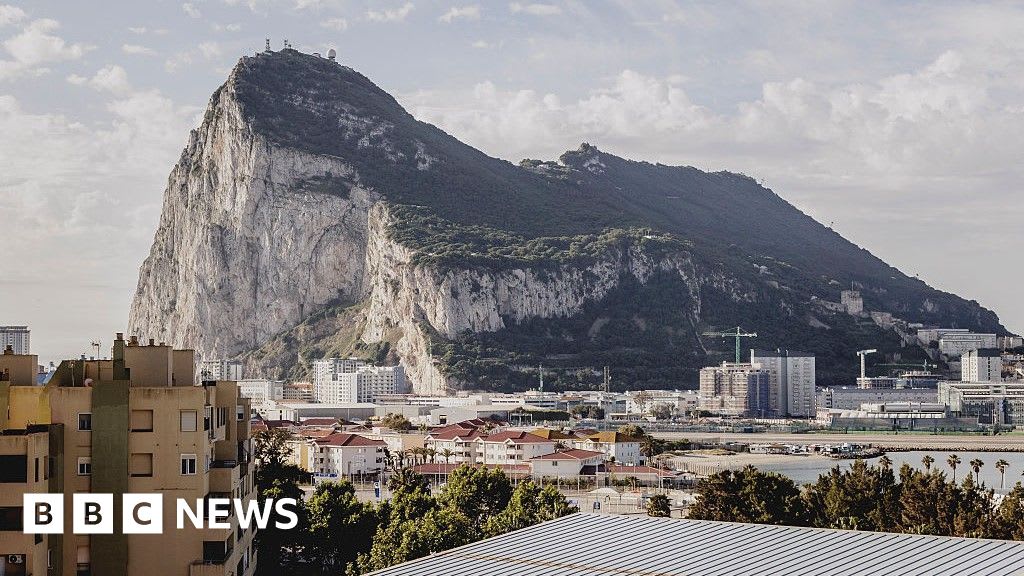
Gibraltar and Spain are entering a new era of cooperation with the proposed removal of border controls, aiming to eliminate transit delays and foster economic integration in a post-Brexit environment.
A New Era: The Geopolitical Shift in Gibraltar-Spain Relations
The announcement regarding the removal of border controls between Gibraltar and Spain marks a watershed moment in a relationship defined by centuries of friction. For decades, the border has served as more than just a physical boundary; it has been a symbol of the complex sovereignty dispute between the United Kingdom and Spain. The transition toward a fluid border suggests a pragmatic shift where economic stability and the daily lives of citizens are being prioritized over rigid territorial disputes. This move is designed to eliminate the systemic bottlenecks that have plagued the region, transforming the border from a point of contention into a seamless gateway for trade and labor.
Historical Context and the Weight of the Past
To understand the magnitude of this change, one must look back to the Treaty of Utrecht (1713), which ceded Gibraltar to Great Britain. The relationship reached its nadir during the regime of Francisco Franco, who completely closed the border in 1969, cutting off vital supplies and familial ties for years. This historical trauma created a deep-seated skepticism among Gibraltarians regarding any concessions to Spain. Therefore, the current movement toward removing border controls is not merely an administrative update but a psychological breakthrough, signaling a departure from the confrontational diplomacy of the 20th century toward a collaborative 21st-century framework.
The Post-Brexit Catalyst
The urgency of this agreement is rooted in the complications brought about by the United Kingdom's exit from the European Union. Prior to Brexit, Gibraltar enjoyed a degree of fluidity due to its relationship with the EU. However, the departure from the bloc threatened to impose a 'hard border,' which would have been catastrophic for the local economy. Unlike the Northern Ireland Protocol, the Gibraltar situation required a bespoke solution to prevent the region from becoming an isolated outpost. The removal of border controls is the centerpiece of a broader treaty aimed at ensuring Gibraltar remains integrated with its immediate hinterland while maintaining its British sovereignty.
Economic Implications and Labor Mobility
From an economic perspective, the removal of border controls is a critical necessity. Gibraltar's economy is heavily dependent on a cross-border workforce; thousands of Spanish nationals commute daily to work in the territory's financial services, gaming, and tourism sectors. The presence of stringent checks often led to hours of delays, hindering productivity and discouraging investment. By streamlining or removing these controls, both regions stand to gain. Spain benefits from the employment opportunities provided by Gibraltar, while Gibraltar secures the human capital essential for its economic survival.
Sovereignty and the Diplomatic Tightrope
Despite the optimism, this transition is a delicate diplomatic balancing act. The primary challenge lies in the clash between the EU's Schengen Area requirements and the UK's independent border policy. For Spain and the EU, a fluid border typically requires the adoption of Schengen standards, which involves allowing EU officials a role in border management. For the UK and the Government of Gibraltar, any perceived infringement on sovereignty is a red line. The 'new era' mentioned in the reports depends entirely on the ability of negotiators to create a 'third way'—a specialized zone where security is maintained through technology and data sharing rather than physical checkpoints.
Future Trends and Regional Stability
Looking forward, the successful removal of border controls is likely to serve as a blueprint for other disputed territories globally, demonstrating that functional cooperation can coexist with unresolved sovereignty claims. We can expect an increase in joint ventures between Gibraltar and the surrounding Andalusian region, particularly in green energy and sustainable tourism. If this model holds, it could lead to a more formalized 'special zone' status, further integrating the local economy into the European fold without necessitating a change in political status.
Conclusion
In summary, the removal of border controls between Gibraltar and Spain is a bold step toward regional normalization. By addressing the pragmatic needs of the workforce and the economic realities of the post-Brexit era, the UK and Spain are effectively decoupling daily administration from high-level political disputes. While the ghost of sovereignty will always linger, the move toward a fluid border represents a victory for common sense and regional prosperity.