Trump offers Enes Kanter Freedom, Dennis Rodman 'full pardon' for WNBA: What do league rules actually say?
Source Entity
Latest News: Todays Latest News Headlines from India & World | Hindustan Times | Hindustan Times
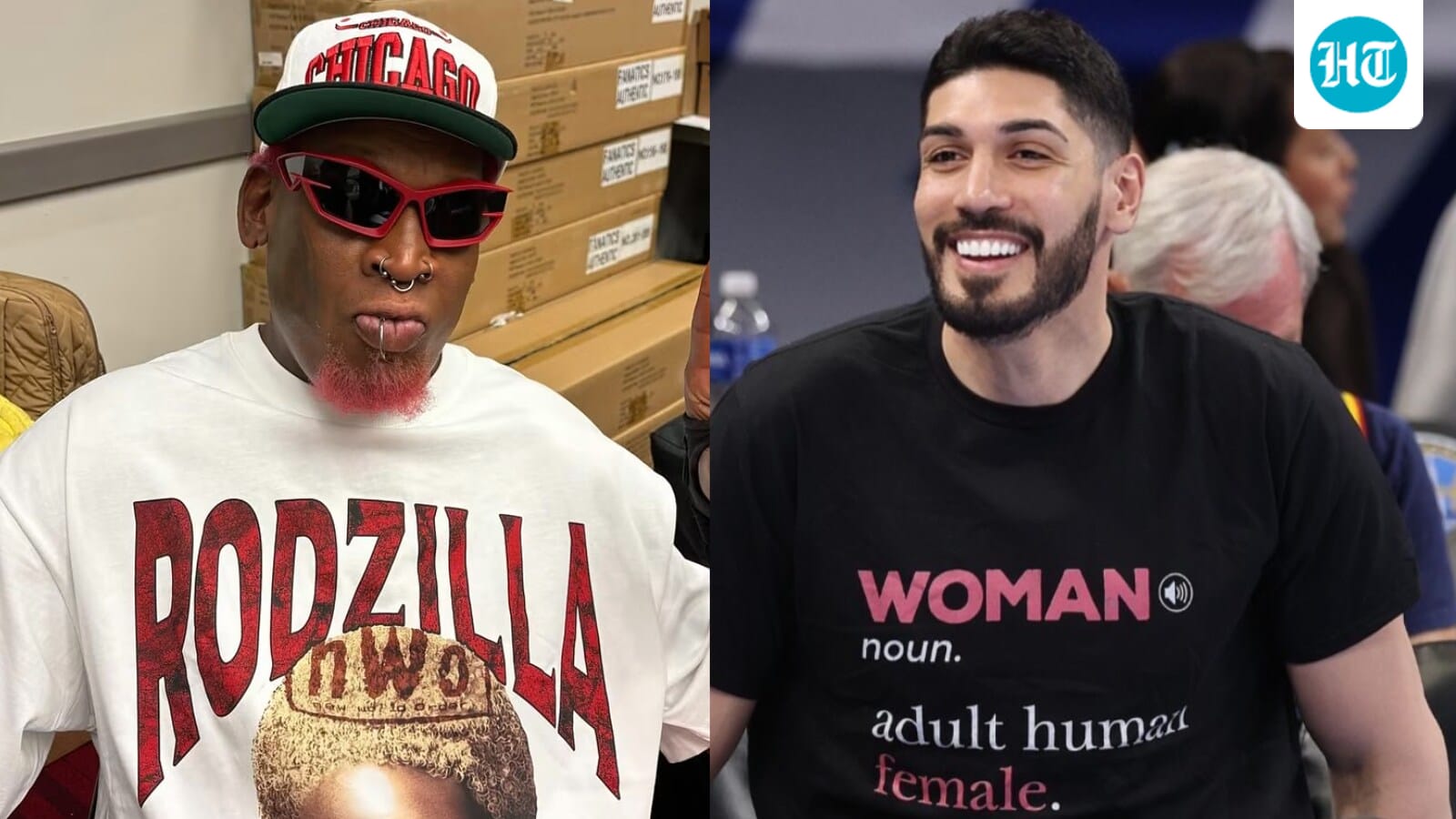
Donald Trump claimed he would issue a 'full pardon' to Enes Kanter Freedom and Dennis Rodman to enable them to play in the WNBA. However, league officials have clarified that such a move has no legal or procedural standing, and the players remain ineligible for the draft.
The Intersection of Political Rhetoric and Sports Eligibility
During a recent rally in Oklahoma, former President Donald Trump addressed the ongoing national discourse regarding transgender athletes and the regulation of women’s sports. In a notable moment of the speech, Trump suggested he would grant a 'full pardon' to former NBA players Enes Kanter Freedom and Dennis Rodman, theoretically allowing them to pursue careers within the WNBA. This statement, while capturing significant media attention, highlights a complex friction between political commentary and the governing bylaws of professional sporting organizations.
Understanding the Limits of Executive Power
It is essential to clarify that a presidential pardon is a legal mechanism intended to forgive federal crimes or commute sentences within the judicial system. It holds no jurisdiction over the internal regulations, bylaws, or eligibility requirements of private entities such as the WNBA. Consequently, Trump’s promise of a 'full pardon' for the purpose of sports eligibility is legally non-binding. The WNBA operates under its own collective bargaining agreement and league-specific eligibility standards that remain entirely independent of presidential intervention.
The Reality of WNBA Eligibility Standards
Following the remarks, league sources speaking to The Associated Press and Reuters explicitly confirmed that Enes Kanter Freedom is not eligible for the WNBA draft. Despite Kanter Freedom’s public announcement in August regarding his intent to enter the 2027 WNBA Draft, the league’s internal criteria for entry preclude his participation. These rules are designed to maintain the competitive integrity and specific demographic focus of the league, and they are not subject to external political mandates.
The Broader Context of Cultural Discourse
This incident serves as a microcosm of the broader cultural debate surrounding gender in sports. By invoking the names of high-profile former NBA stars, the rhetoric attempts to translate a complex sociological debate into a tangible, if legally impossible, policy proposal. This strategy serves to amplify the visibility of the conversation, drawing a sharp line between traditionalist perspectives on women’s sports and the evolving policies regarding athlete inclusion.
Future Implications for Sports Governance
Looking forward, this event underscores the growing trend of sports becoming a focal point for political messaging. As professional leagues navigate the balance between inclusivity and the preservation of competitive categories, they will likely face increasing pressure from both political actors and the public. However, as demonstrated by the swift clarification from league officials, the autonomy of professional sports leagues remains robust against political rhetoric that attempts to override established organizational bylaws.
Conclusion
In summary, while the comments made by Donald Trump regarding Enes Kanter Freedom and Dennis Rodman generated significant buzz, they do not alter the fundamental reality of WNBA eligibility. The league maintains strict control over its draft processes, and no executive action, regardless of its framing as a 'pardon,' can circumvent these private sector regulations. The situation serves as a reminder of the distinct separation between political theater and the practical, rule-based governance of professional athletics.
Verification Required?