'Let's race, not wrestle': 5 takeaways as Trump-Xi navigate trade, Taiwan and AI
Source Entity
VIVEK DUBEY
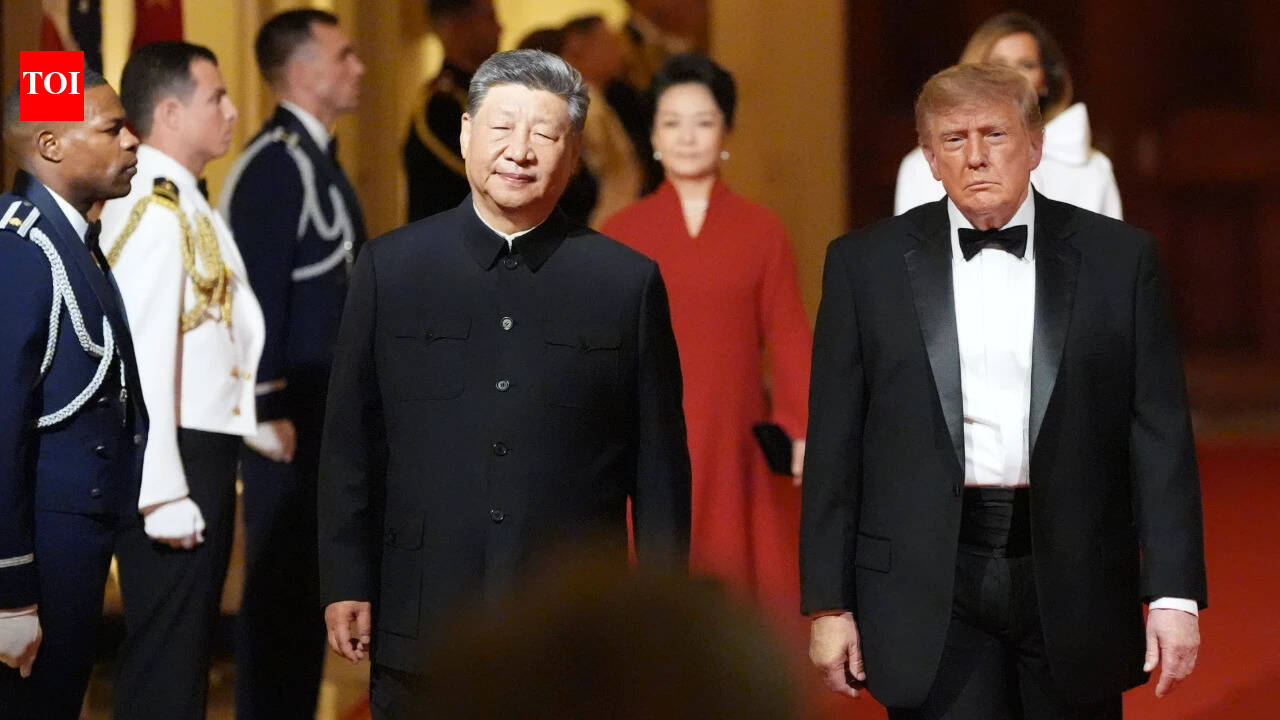
President Trump and President Xi held a high-stakes summit focused on economic stability and the regulation of artificial intelligence. Amidst a surprise surge in U.S. orders for Chinese goods, the leaders engaged with top tech executives to address the global risks posed by AI.
Strategic Diplomatic Engagement: The Trump-Xi Summit
The recent summit between U.S. President Donald Trump and Chinese President Xi Jinping marks a significant pivot in the bilateral relationship between the world's two largest economies. Held against the backdrop of a high-stakes state dinner, the meeting served as a stage for both symbolic gestures and substantive policy discussions. By including industry titans from the technology sector, the administration signaled that the future of U.S.-China relations is inextricably linked to the rapid advancement and regulation of artificial intelligence.
Economic Indicators and Market Positioning
Data from the China Beige Book suggests a surprising rebound in trade activity, with U.S. orders for Chinese goods increasing in the weeks leading up to the summit. This uptick appears driven by corporate anticipation of continued stability. As China's relative tariff position improved, companies moved to secure their supply chains. This shift indicates that despite broader geopolitical tensions, the private sector remains focused on maintaining operational continuity, viewing the summit as a potential harbinger of a more predictable trade environment.
The Symbolism of Diplomacy
Beyond the economic data, the summit was punctuated by traditional diplomatic theater. President Trump’s decision to gift President Xi a bald eagle sculpture—a symbol of the American "free and soaring spirit"—underscores an attempt to frame the relationship through the lens of national pride and mutual respect. Such gestures are vital in high-level diplomacy, providing a human element to otherwise rigid bureaucratic negotiations and setting a tone of cordiality before addressing complex regulatory issues.
AI Governance as a Global Priority
Perhaps the most consequential aspect of the summit was the focus on artificial intelligence. With existential risks associated with AI reaching a fever pitch, the presence of leaders like Nvidia’s Jensen Huang, SpaceX’s Elon Musk, AMD’s Lisa Su, and Apple’s Tim Cook, alongside OpenAI and Microsoft executives, highlights the gravity of the topic. The inclusion of these figures indicates that both nations recognize AI as a critical geopolitical variable that requires a coordinated, or at least mutually understood, approach to safety and governance.
Future Trends and Implications
Looking forward, the integration of private sector expertise into state-level summits is likely to become the new standard. The convergence of trade stability and technological regulation suggests that future U.S.-China policy will be increasingly dictated by the needs of the digital economy. As both nations grapple with the dual challenges of economic interdependence and the existential risks posed by emerging tech, the success of this summit will be measured by whether these preliminary talks translate into concrete, enforceable safety frameworks for global AI development.
Conclusion
In summary, the Trump-Xi summit represents a multifaceted effort to balance economic necessity with national security. By aligning market expectations—evidenced by the surge in trade orders—with high-level dialogue on AI safety, the two powers are attempting to navigate a path of stability. Whether this "surprise" rebound in trade and the collaborative focus on AI can sustain long-term cooperation remains the central question for the global order.
Multiple Citing Sources