Zelensky Says "Will Respond" If Russia Does Not Follow 'Energy Ceasefire'
Source Entity
NDTV News Search Records Found 1000
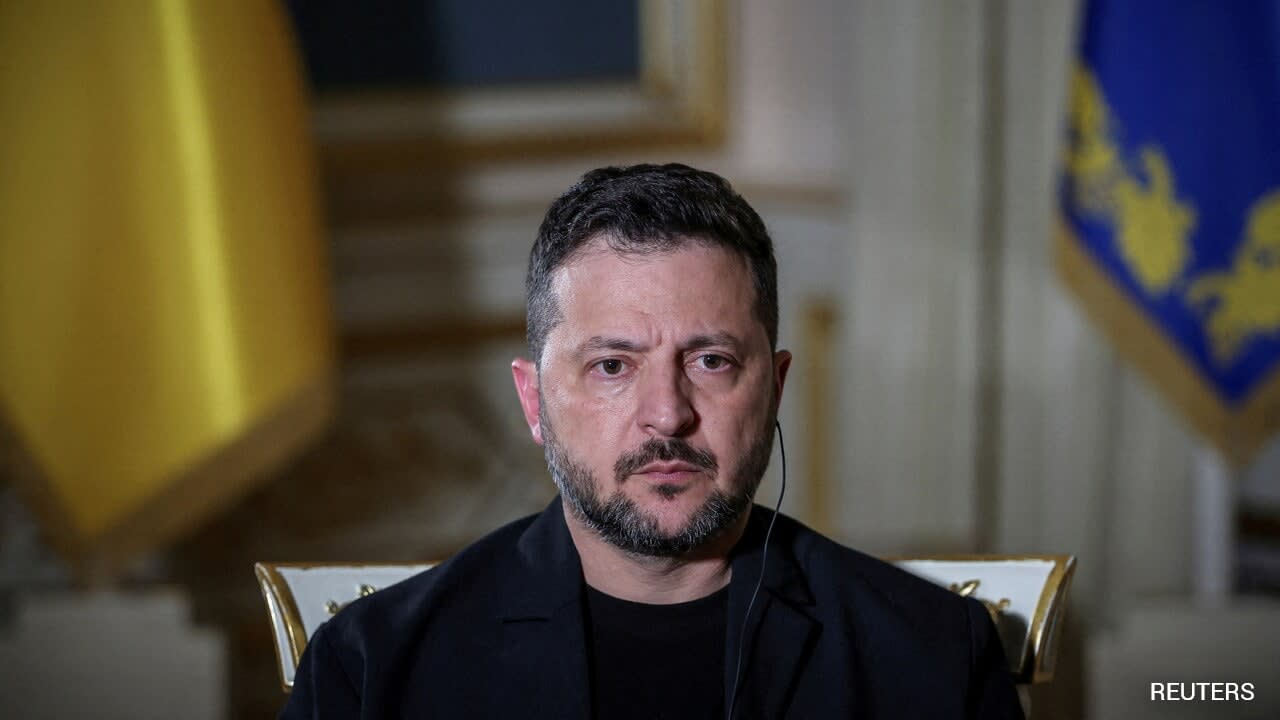
Former President Donald Trump has publicly called for a leadership change in Ukraine following his claim of securing a diesel deal with Russia. President Zelenskyy has condemned the arrangement, arguing it provides financial support for Moscow's ongoing war efforts.
The Diplomatic Friction: Trump, Zelenskyy, and the Diesel Deal
Recent statements from former U.S. President Donald Trump have ignited a fresh wave of diplomatic tension between himself and Ukrainian President Volodymyr Zelenskyy. Trump recently asserted that he has secured a significant deal with Russia regarding the release of diesel, a claim that marks a notable departure from current U.S. sanctions policy against Moscow. This development has placed the ongoing conflict in Ukraine at the forefront of international political discourse, specifically regarding how energy trade impacts the battlefield.
The Catalyst: Fueling the Conflict
The core of the disagreement lies in the economic implications of this diesel release. President Zelenskyy has openly criticized the move, suggesting that any deal facilitating the export of Russian energy resources directly empowers the Kremlin’s war chest. By providing Russia with a path to monetize its energy assets, Zelenskyy argues that the global community inadvertently undermines the economic pressure intended to force an end to the hostilities in Ukraine.
Trump’s Call for Leadership Change
Following the backlash from Kyiv, Trump explicitly stated that it is time for Ukraine to transition to a new president. This rhetoric underscores a deepening ideological divide between the former U.S. president and the current Ukrainian administration. By questioning Zelenskyy's leadership during a time of active warfare, Trump is signaling a potential shift in U.S. foreign policy priorities should he return to power, favoring transactional energy deals over the current consensus on total isolation of the Russian economy.
Broader Geopolitical Implications
The intersection of energy security and national security is a recurring theme in modern geopolitics. While the U.S. and its allies have sought to starve the Russian military machine of funds through aggressive energy sanctions, the global market's reliance on fuel creates vulnerabilities. Trump's claim of securing a diesel deal highlights the complexity of balancing domestic fuel prices and energy independence with the moral and strategic imperatives of supporting Ukraine's sovereignty.
Future Trends in U.S.-Ukraine Relations
Looking ahead, this clash suggests that the future of U.S. support for Ukraine may become increasingly polarized. The debate over whether to prioritize energy market stability or the enforcement of sanctions will likely define the next phase of international relations. If segments of the American political establishment continue to push for deals that bypass current sanctions, it could force European allies to reconsider their own commitments to the Ukrainian cause, potentially altering the power dynamics of the Eastern European theater.
Conclusive Summary
In summary, the friction between Trump and Zelenskyy over the reported diesel deal serves as a microcosm of the broader debate surrounding the cost of the war in Ukraine. As the conflict continues to drain resources and influence global energy markets, the divergence in strategic approaches—between maintaining strict economic isolation of Russia and pursuing pragmatic energy deals—remains a critical point of contention that will likely influence the geopolitical landscape for the foreseeable future.
Multiple Citing Sources
Verification Required?