Trump's 'energy ceasefire' claim welcomed by Zelensky but Russia silent
Source Entity
BBC News
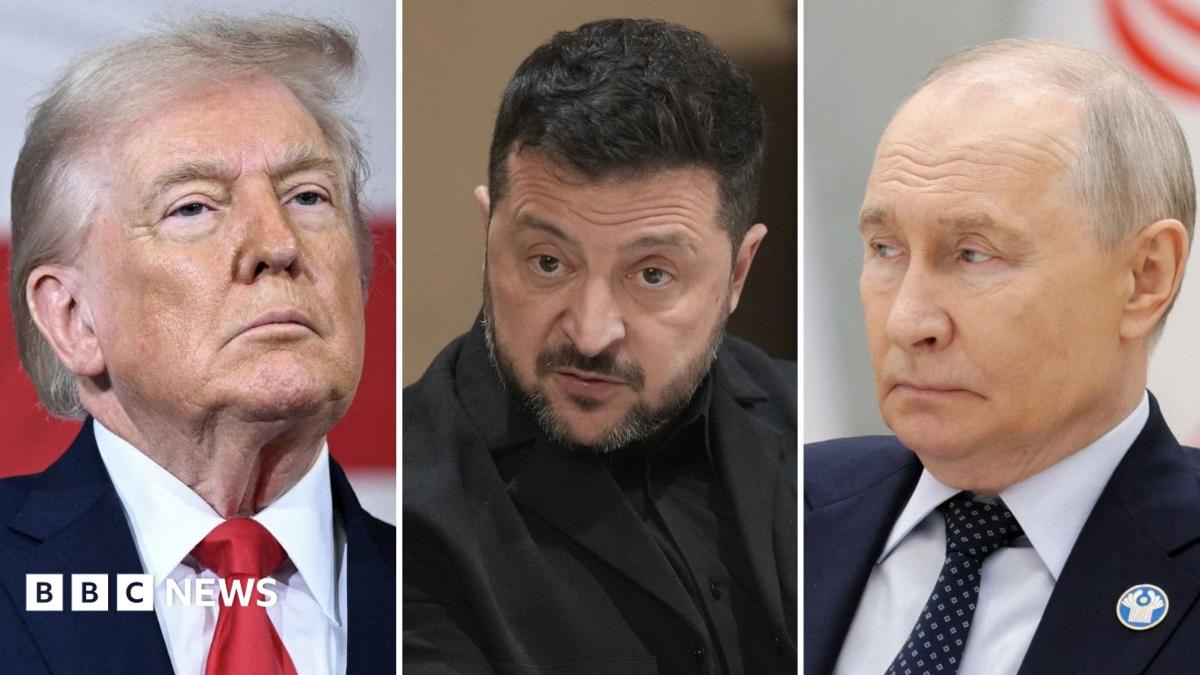
Donald Trump has publicly criticized President Zelenskyy, suggesting Ukraine needs a new leader following a controversial agreement to allow Russian diesel into the U.S. market. President Zelenskyy has condemned this diesel deal, arguing that it provides Moscow with critical funds to sustain its ongoing war efforts.
The Escalating Rhetoric: Trump, Zelenskyy, and the Diesel Controversy
Recent reports indicate a significant escalation in tensions between former U.S. President Donald Trump and Ukrainian President Volodymyr Zelenskyy. The friction centers on a reported deal involving the release of Russian diesel into the United States market, a development that has prompted Trump to publicly state that it is time for Ukraine to seek a new president. This clash highlights the growing divide in geopolitical strategies regarding energy policy and the ongoing conflict in Eastern Europe.
The Economic and Strategic Implications of the Diesel Deal
The core of this dispute lies in the economic mechanics of the energy market. By facilitating the release of Russian diesel, the move effectively eases previous curbs placed on Moscow's exports. While proponents of such deals often argue they are necessary to stabilize domestic energy prices and combat inflation, the geopolitical cost is substantial. This move directly impacts the global effort to leverage energy sanctions as a primary tool to pressure the Kremlin into ending its military operations.
Zelenskyy’s Stance and the Funding of War
President Zelenskyy has been vocal in his condemnation of this arrangement. His argument is rooted in the direct link between energy revenue and military capability; he contends that by allowing Russian diesel to flow into the U.S., the deal provides Moscow with the liquidity required to sustain its war machine. For Ukraine, any policy that eases the financial strain on the Russian economy is viewed as a direct setback to their defense and a prolonging of the conflict.
Political Consequences and Diplomatic Friction
Trump’s aggressive stance toward the Ukrainian leadership suggests a potential shift in U.S. foreign policy priorities should he return to power. By openly calling for a change in Ukrainian leadership, Trump is signaling a move toward a more transactional and potentially isolationist approach to the war. This rhetoric challenges the established diplomatic norms that have defined the U.S.-Ukraine relationship since the start of the full-scale invasion.
Historical Context of Energy as a Weapon
Historically, energy has been used as a geopolitical lever, particularly in relations between Russia and the West. The current situation echoes past tensions where European and American reliance on Russian hydrocarbons dictated foreign policy outcomes. The debate now centers on whether the U.S. can afford to maintain a strict embargo on Russian energy while managing its own economic pressures, or if the necessity of affordable energy will continue to create fissures in the coalition supporting Ukraine.
Future Trends and Global Energy Security
The trajectory of this conflict suggests that energy policy will remain a central pillar of the war's duration. If the U.S. continues to pursue deals that bypass existing sanctions for the sake of market stability, we can expect further diplomatic friction with Kyiv. Future trends will likely see an increased focus on energy independence as a national security imperative, as nations grapple with the dilemma of balancing domestic economic needs against the broader ethical and strategic goals of isolating aggressor states.
Multiple Citing Sources