"Betrayal Of Ukraine": US Senators Slam Trump's Diesel Deal With Russia
Source Entity
NDTV News Search Records Found 1000
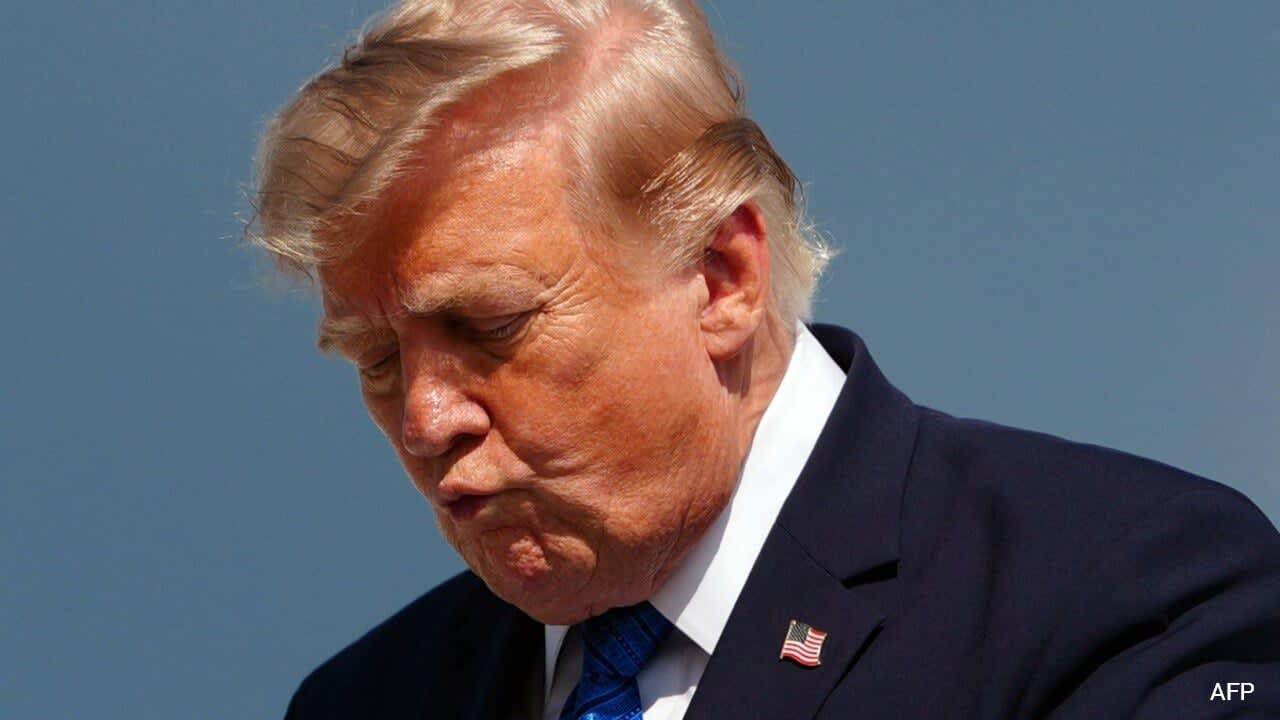
Donald Trump has publicly criticized Ukrainian President Volodymyr Zelenskyy following reports of a U.S. deal to release Russian diesel. The dispute centers on conflicting views regarding the economic impact of the diesel deal and its potential to fund Russia's ongoing military efforts.
Tensions Escalate Over U.S.-Russia Diesel Deal
Recent political rhetoric has reached a new intensity as Donald Trump publicly questioned the leadership of Ukrainian President Volodymyr Zelenskyy. This confrontation stems from a reported arrangement involving the release of Russian diesel into the U.S. market. The timing of these comments follows a period of heightened scrutiny regarding the economic policies governing energy imports and their indirect impact on international conflict zones.
The Economic and Geopolitical Nexus
The core of the friction lies in the complex intersection of global energy supply chains and the funding of the war in Ukraine. According to reports, the U.S. has eased certain curbs to facilitate the release of Russian diesel. While such actions are often framed as measures to stabilize domestic energy prices and mitigate inflation, they carry significant geopolitical weight. President Zelenskyy has openly condemned this deal, arguing that the revenue generated by these transactions directly bolsters the Russian economy and provides the necessary capital to sustain military operations.
Trump’s Critique of Ukrainian Leadership
Donald Trump’s assertion that it is "time for Ukraine to get a new president" marks a significant departure from standard diplomatic decorum. By framing this critique in the context of the diesel deal, Trump is effectively challenging the current administration's strategy and the effectiveness of Zelenskyy’s governance. This rhetoric signals a potential shift in how future U.S. policy might prioritize domestic economic relief over existing international alignment strategies regarding the conflict in Ukraine.
The Funding Mechanism Debate
At the heart of the disagreement is a fundamental dispute over cause and effect. Zelenskyy’s administration maintains that any economic concession to Russia, regardless of the immediate benefit to American consumers, acts as a lifeline for Moscow's war effort. By contrast, those supporting the diesel release argue that the global energy market requires flexibility to avoid price shocks. This divergence highlights a deepening divide between the immediate economic needs of the U.S. electorate and the strategic security concerns of the Ukrainian government.
Future Implications for International Relations
This public spat underscores the fragility of the current international consensus regarding sanctions and economic warfare. As global energy demands fluctuate, the pressure to ease restrictions on sanctioned nations like Russia will likely increase, creating further friction between the U.S. and its allies. The outcome of this debate will not only impact the trajectory of the war in Ukraine but may also redefine the parameters of American foreign policy, potentially moving toward a more transaction-based approach where domestic energy prices outweigh long-term geopolitical commitments.
Conclusion
In summary, the friction between Donald Trump and President Zelenskyy highlights the volatile nature of energy-related diplomacy. As the U.S. navigates the balancing act of managing domestic inflation while addressing the geopolitical consequences of the war in Ukraine, the rhetoric surrounding these decisions is likely to grow more contentious. The situation remains a critical focal point for observers of global politics and international trade.
Multiple Citing Sources
Verification Required?