Tuchel addressed post-match comments with team, cleared air after quarterfinal win
Source Entity
The Indian Express
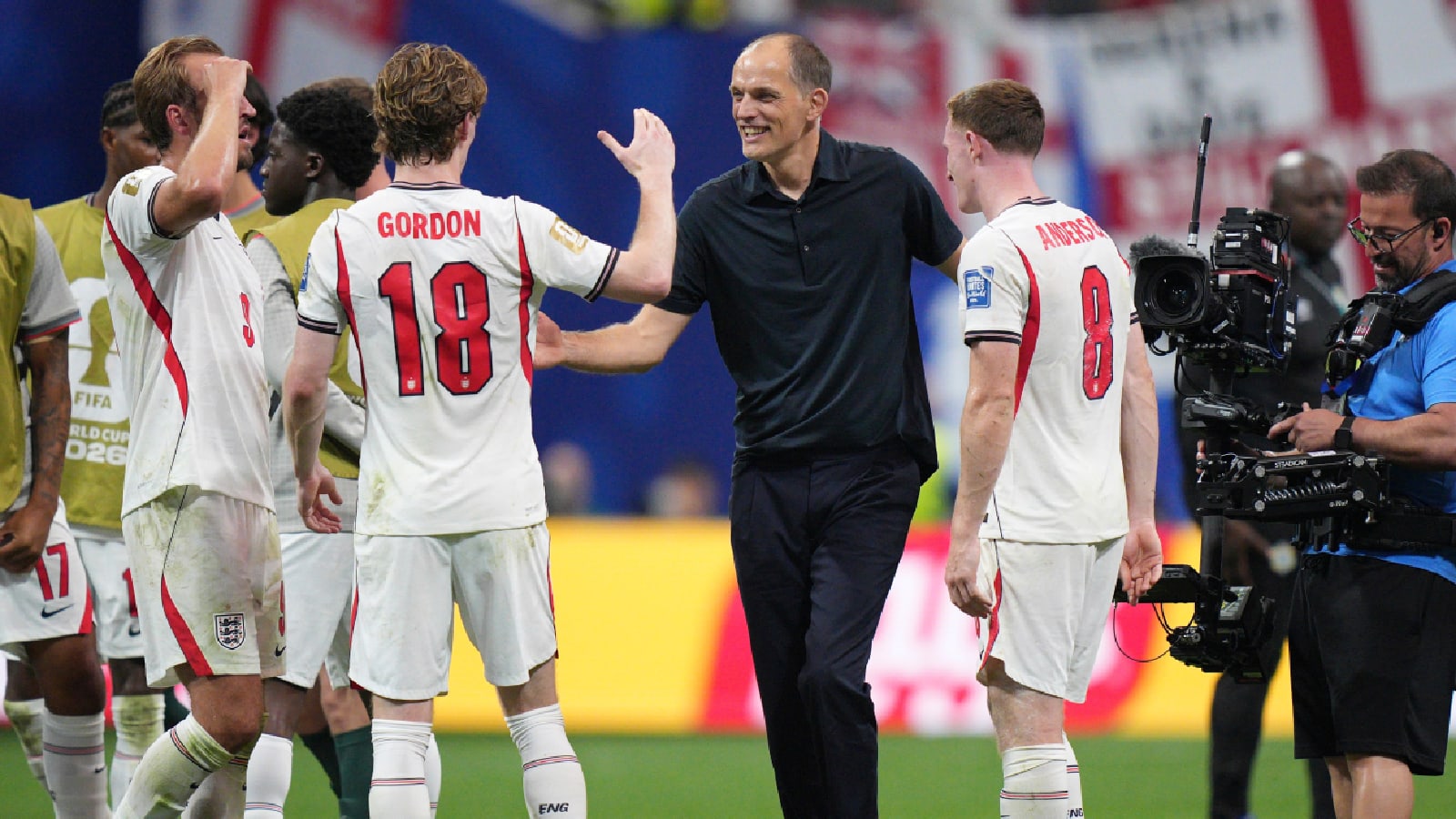
Thomas Tuchel has held a meeting with the England squad to resolve tensions following controversial comments he made after their quarterfinal victory over Norway.
Managing the Pressure: Tuchel's Squad Diplomacy
Following a hard-fought quarterfinal victory over Norway, the England national team found itself navigating internal turbulence rather than purely celebrating its progression. The catalyst for this tension was a series of controversial post-match comments made by manager Thomas Tuchel. In the high-stakes environment of international knockout football, the words of a manager are magnified, often serving as the primary lens through which players and the public perceive the team's internal health. Tuchel's decision to address these comments directly with his squad on Sunday night highlights the fragile balance between a manager's candidness and the need for squad harmony.
The Psychology of 'Clearing the Air'
In elite sports, the concept of 'clearing the air' is more than a cliché; it is a necessary psychological reset. When a manager makes public remarks that are perceived as critical or controversial, it can create a rift between the coaching staff and the players, leading to a breakdown in trust. By convening the squad on Sunday night, Tuchel employed a proactive leadership strategy to prevent resentment from festering. This move suggests an awareness that while tactical brilliance wins games, emotional intelligence and communication are what sustain a team through the grueling final stages of a tournament. The meeting likely served as a forum for players to express their grievances and for Tuchel to provide the necessary context for his remarks.
Tuchel's Managerial Philosophy and the England Context
Thomas Tuchel is historically known as a meticulous tactician with a demanding approach to performance. His tendency toward bluntness and high expectations has occasionally led to friction in previous roles. Integrating this personality type into the England setup—a team often under intense media scrutiny and internal pressure—creates a volatile dynamic. The controversy following the Norway match is indicative of the 'growing pains' associated with Tuchel's leadership style. His willingness to confront the issue head-on reflects his commitment to a culture of transparency, even if that transparency initially causes friction.
Implications for the Tournament Trajectory
Coming off a quarterfinal win, the momentum of a team is heavily dependent on its mental cohesion. Had Tuchel ignored the fallout from his comments, the England squad might have entered the next round divided, with players potentially feeling undervalued or misunderstood. By resolving the conflict immediately, the manager has effectively mitigated the risk of a 'locker room revolt.' This resolution is critical as the team moves toward the semifinals and potentially the final, where the margins for error are razor-thin and absolute trust in the manager's vision is paramount.
Future Trends in International Management
This incident underscores a broader trend in modern football where the manager's role has evolved from a purely technical director to a hybrid of a tactician and a corporate communicator. The scrutiny placed on Tuchel's post-match comments demonstrates that every word spoken to the press is now treated as an internal communication to the players. Moving forward, we can expect managers to be more calculated in their public rhetoric or, conversely, to develop more robust internal mechanisms for immediate conflict resolution, as seen in this Sunday night meeting.
Conclusion
While the victory over Norway secured England's place in the next round, the real victory for Thomas Tuchel may have been the successful navigation of the subsequent internal crisis. By prioritizing communication and taking accountability for his controversial remarks, Tuchel has attempted to solidify the bond with his players. The success of this intervention will be measured by the team's unity and performance in the upcoming matches, proving that in the modern game, the ability to manage people is just as vital as the ability to manage a match.