Two held for planting AI generated Maoist threat letters in Toopran
Source Entity
India Latest News: Top National Headlines Today & Breaking News | The Hindu
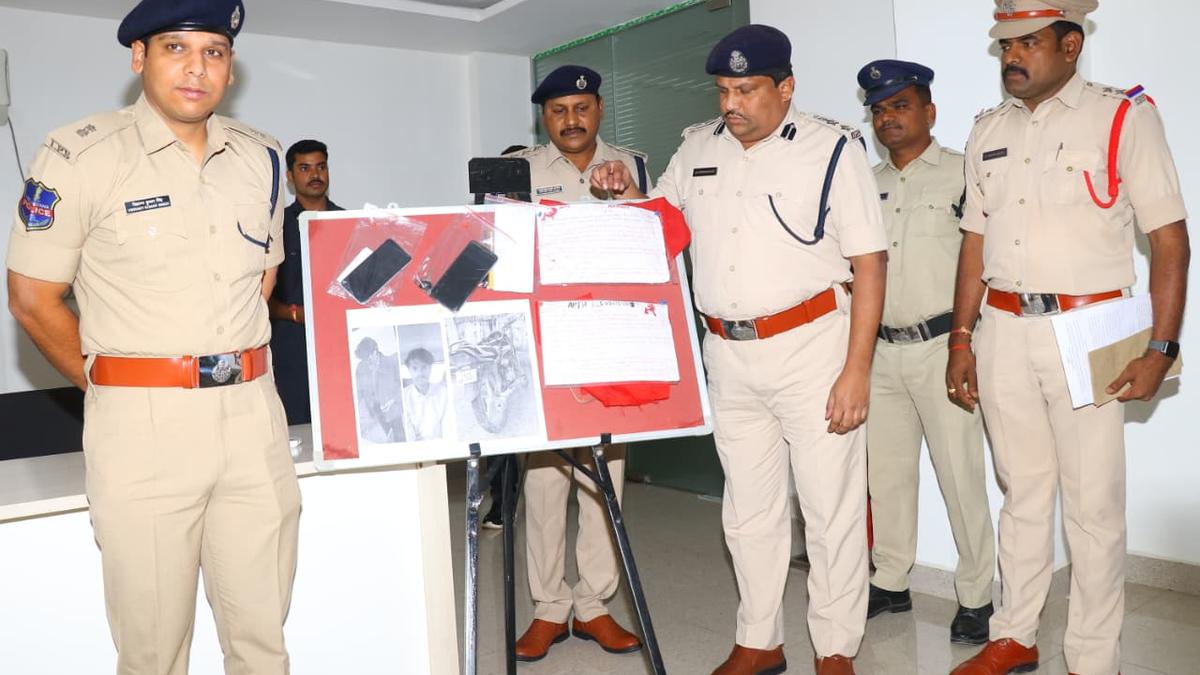
Medak police have arrested two 23-year-old men for planting AI-generated Maoist threat letters at a police station and municipal office. The suspects admitted to the act as a bid for social media notoriety.
The Intersection of Digital Deception and Public Security
The arrest of two 23-year-old men, Banda Madhu and Chintakindi Sridhar, by Medak police marks a concerning development in the landscape of local security threats. By allegedly utilizing AI-generated content to mimic the rhetoric of Maoist insurgents, the accused sought to leverage the historical gravity of Naxalite influence to manufacture a sense of local crisis. This incident highlights how modern generative technology can be weaponized not just for large-scale disinformation, but for localized acts of mischief that disrupt public order.
Modus Operandi and Tactical Execution
According to Medak Superintendent of Police D.V. Srinivasa Rao, the operation was executed with a degree of premeditation. During the early hours of September 22, the suspects infiltrated the Toopran police station—a high-security environment—to leave a red cloth containing a threatening letter. By placing a similar letter at the Toopran Municipal Office, the duo attempted to create an illusion of a coordinated, systemic threat. The seizure of a motorcycle, mobile phones, and specific clothing items like a shawl and raincoat suggests a calculated attempt to avoid identification while simulating the aesthetic of underground radical groups.
The Allure of Social Media Notoriety
At the heart of this incident lies a disturbing trend: the pursuit of viral fame at the cost of legal repercussions. The investigators revealed that the primary motive was to gain publicity on social media. In an era where digital engagement metrics often dictate perceived social relevance, these individuals viewed the fabrication of a terrorist threat as a shortcut to notoriety. This underscores the challenge law enforcement faces in distinguishing between genuine ideological threats and performative acts of digital-age attention-seeking.
The Role of AI in Threat Amplification
The use of AI to generate these letters represents a shift in the democratization of fear. By automating the production of credible-sounding threats, the suspects lowered the barrier to entry for creating public alarm. While the content of the letters was fabricated, the psychological impact on the local community and the diversion of police resources are very real. This case serves as a warning that AI tools are being increasingly co-opted for criminal activities, necessitating more sophisticated monitoring and detection strategies by local law enforcement agencies.
Broader Implications and Future Trends
This case in Toopran is reflective of a wider societal vulnerability to digital manipulation. As AI tools become more accessible, the capacity for bad actors to impersonate established extremist organizations increases. For authorities, this necessitates a dual approach: maintaining traditional investigative rigor to track physical evidence—such as the motorcycle and mobile devices seized in this case—while simultaneously developing the technical expertise to analyze and debunk AI-generated disinformation. Future trends suggest that as digital fakes become more convincing, public institutions will need to invest heavily in verification protocols to ensure that resources are not wasted on manufactured crises.
Verification Required?