'Build rather than destroy...': A powerful UAE call, but who in the Middle East will answer? | UNGA
Source Entity
Latest News: Todays Latest News Headlines from India & World | Hindustan Times | Hindustan Times
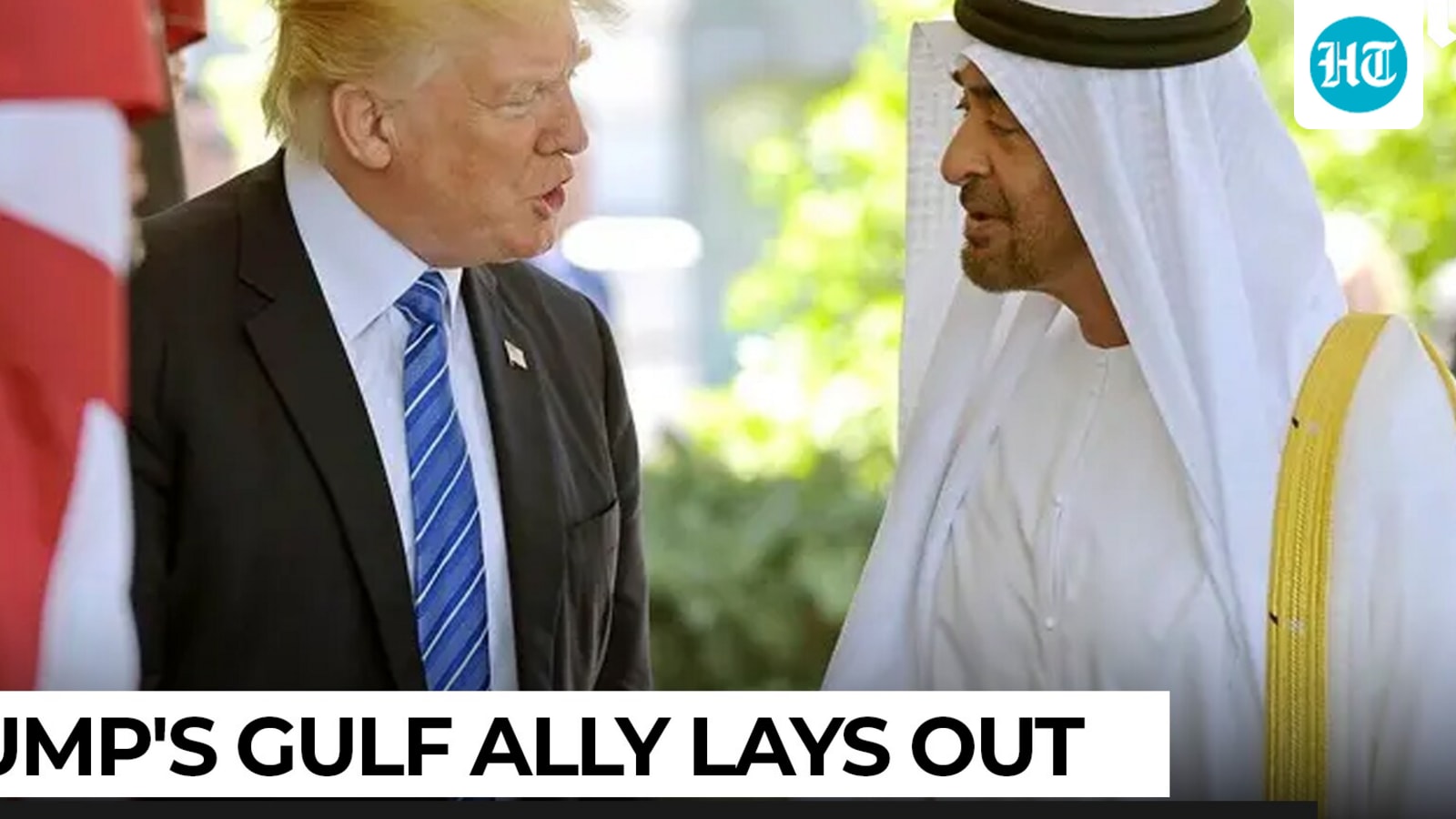
At the UN General Assembly, the UAE advocated for de-escalation and diplomacy to resolve mounting Middle Eastern conflicts. Minister Khalifa Al Marar emphasized a two-state solution while addressing crises in Gaza, Iran, and Sudan.
A Diplomatic Appeal at the UNGA
At the recent United Nations General Assembly (UNGA), the United Arab Emirates issued a high-level appeal for regional stability, urging nations to prioritize construction over destruction. This call, delivered by Minister of State Khalifa Al Marar, reflects the UAE's ongoing commitment to a foreign policy centered on de-escalation, diplomacy, and constructive dialogue. As regional tensions reach a critical inflection point, the UAE’s stance serves as a stark reminder of the humanitarian and economic costs associated with prolonged conflict.
Addressing the Multi-Front Crisis
The UAE’s address was comprehensive, touching upon several of the most volatile flashpoints in the Middle East and North Africa. By specifically identifying the crises in Gaza, Iran, and Sudan, the UAE underscored the interconnected nature of modern regional instability. Addressing these issues from the podium of the UNGA signals the Emirates' desire to leverage multilateral institutions to foster a collaborative approach to conflict resolution, rather than relying solely on unilateral or bilateral maneuvers.
The Pursuit of a Two-State Solution
Central to the UAE's address was a firm reiteration of support for a political path toward a two-state solution regarding the Israeli-Palestinian conflict. This position remains a cornerstone of the UAE's long-term vision for regional peace. By advocating for this framework, the UAE reinforces its belief that lasting security is unattainable without addressing the core political grievances that have fueled regional hostilities for decades.
Freedom of Navigation and Regional Security
Beyond internal conflicts, the UAE highlighted the vital importance of freedom of navigation. This focus is particularly salient given the UAE’s position as a global trade hub; any disruption to maritime security in the region poses a direct threat to the international supply chain and economic stability. By linking freedom of navigation to broader diplomatic efforts, the UAE is framing maritime security as a collective international responsibility rather than a localized strategic concern.
Challenges to Implementation
While the call to "build rather than destroy" is diplomatically sound, the efficacy of such rhetoric remains subject to the willingness of other regional actors to engage in meaningful dialogue. The complexity of the grievances in Gaza and Sudan, combined with the geopolitical friction involving Iran, presents a significant barrier to immediate de-escalation. The UAE’s challenge lies in translating these high-level sentiments into actionable policies that can gain traction among diverse and often competing stakeholders.
Future Trends and Conclusion
Looking forward, the UAE’s diplomatic posture suggests a trend toward increased mediation efforts and a preference for economic integration over military confrontation. As the global community monitors these developments, the UAE’s focus on diplomacy will likely continue to define its role as a key regional mediator. Ultimately, the success of this call to action depends on whether the international community and regional powers can align behind the principles of dialogue and cooperation over the destructive cycles of the past.
Verification Required?