Uber tests rides for kids as young as 10, with extra pay for drivers
Source Entity
Kirsten Korosec
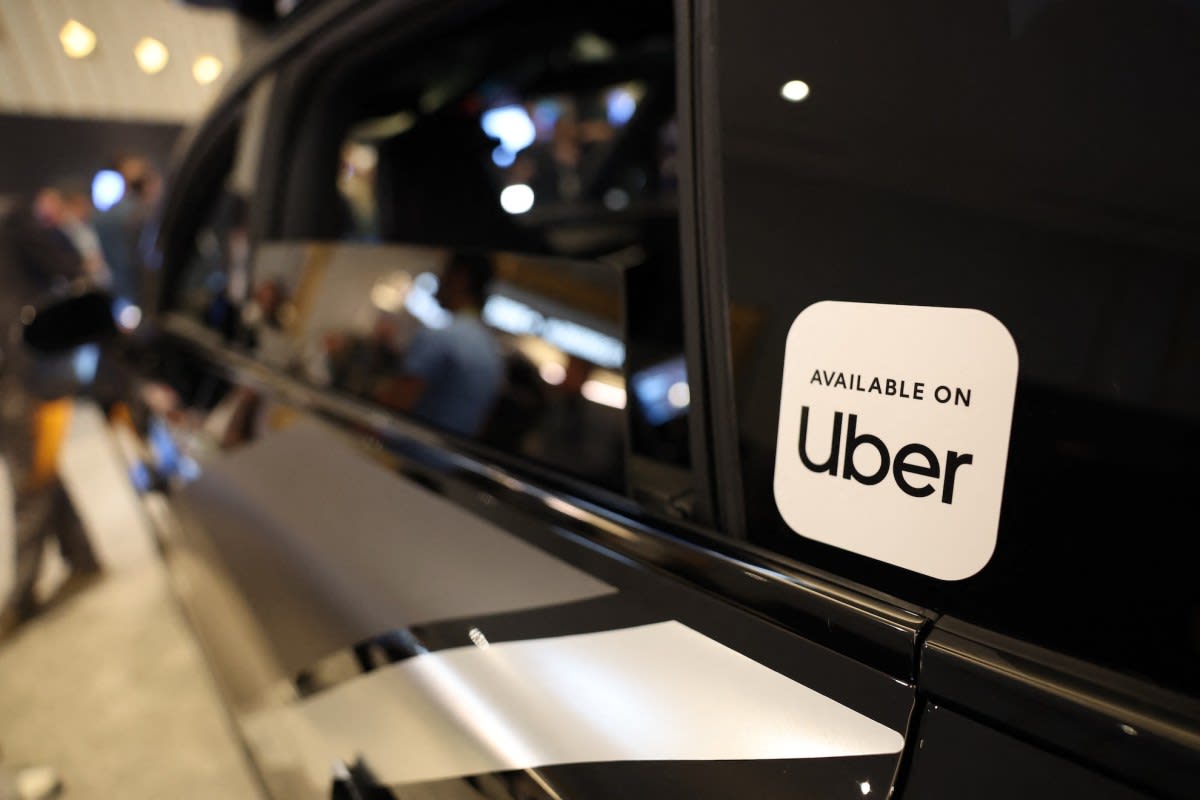
Uber has launched a pilot program called 'Uber Kids' in three U.S. cities, allowing children as young as 10 to ride unaccompanied. This expansion targets busy families and builds on the company's existing teen ride-hailing service.
Uber Expands into Youth Mobility with 'Uber Kids' Pilot
Uber has officially initiated a pilot program, branded as 'Uber Kids,' which permits children as young as 10 to utilize the ride-hailing service without an adult present. This program is currently being tested in three specific U.S. markets: Austin, Texas; Nashville, Tennessee; and Madison, Wisconsin. By lowering the age threshold from the previous 13-17 bracket to 10, Uber is signaling a significant shift in its operational strategy, aiming to capture a demographic segment that has historically relied on parents or public transport.
Strategic Market Expansion
This move represents a calculated effort by Uber to diversify its customer base and tap into the 'busy family' market. Modern households often face logistical hurdles when balancing work schedules with the extracurricular activities of children. By providing a dedicated service for tweens, Uber is positioning itself as a utility for time-constrained parents. While the company characterizes this as a limited pilot, the move underscores a broader corporate ambition to integrate ride-hailing into the daily fabric of family life beyond the standard adult commuter demographic.
Evolution of Safety and Service Infrastructure
The 'Uber Kids' program is a direct evolution of the company's existing teen ride-hailing service. To facilitate this expansion, Uber has introduced mandatory requirements for parents, acknowledging the sensitivity and safety concerns inherent in transporting minors. The service includes extra pay incentives for drivers, recognizing that transporting younger passengers may require additional oversight, patience, or communication compared to standard adult trips. This compensation model is crucial for maintaining driver participation in a program that inherently carries higher operational responsibilities.
Challenges and Operational Risks
Despite the potential for growth, the program faces significant scrutiny regarding the safety and security of unaccompanied minors. The fact that this is a 'limited pilot' suggests that Uber is actively monitoring public reception and safety metrics before considering a wider rollout. If the pilot fails to meet stringent safety standards or faces regulatory pushback, it may be discontinued entirely. The success of this endeavor depends on whether the infrastructure—including tracking, communication, and driver screening—is robust enough to satisfy parental expectations.
Future Outlook and Industry Implications
If successful, 'Uber Kids' could transform how families manage transit, potentially reducing the reliance on private vehicle ownership for school-related or extracurricular commutes. However, the future of the program remains uncertain, with its existence beyond the current pilot phase dependent on data gathered from the initial three cities. The market will be watching closely to see if Uber can scale this service sustainably or if the logistical complexities of transporting children prove too burdensome for the current ride-hailing model.