More flight delays expected after hundreds cancelled by air traffic control glitch
Source Entity
BBC News
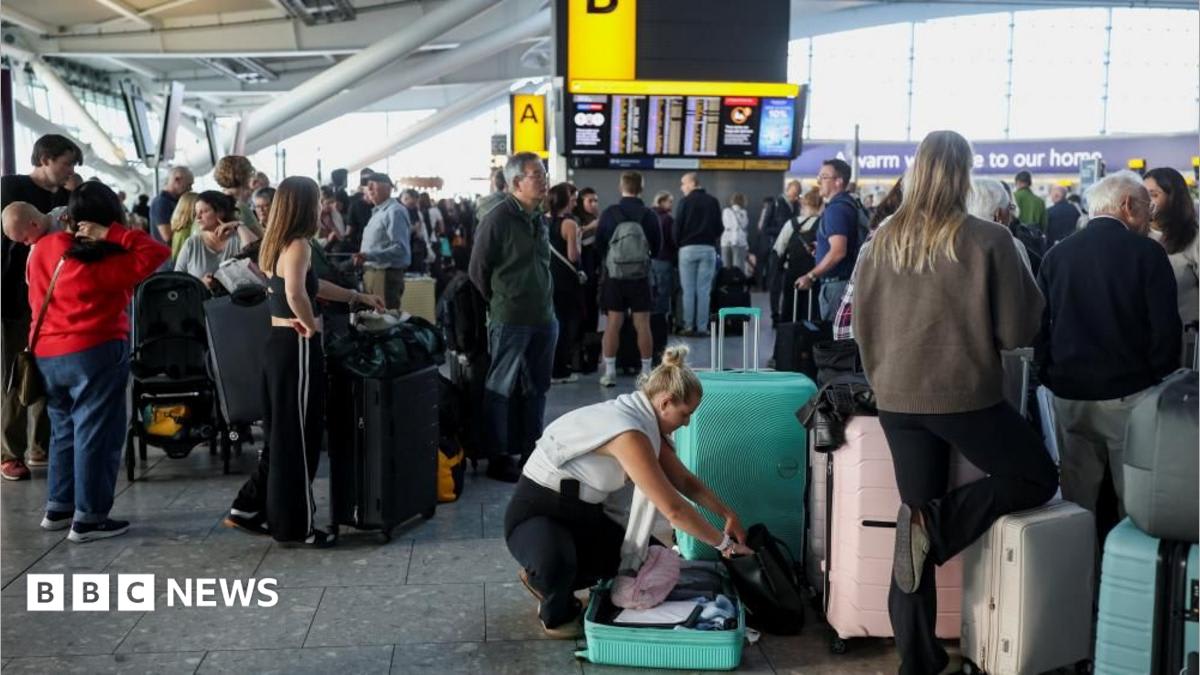
A technical glitch in the UK's National Air Traffic Services flight processing system caused nearly 300 flight cancellations and widespread delays. While a fix has been implemented, ongoing disruptions are expected as the aviation sector works to recover from the backlog.
Aviation Disruption: Analyzing the UK Air Traffic Control Glitch
On Tuesday, the United Kingdom’s aviation infrastructure faced a significant operational crisis when a technical failure within the National Air Traffic Services (NATS) flight processing system forced the cancellation of nearly 300 flights. The scope of this disruption was immense, with aviation tracking platform FlightRadar24 reporting that upwards of 1,000 flights were ultimately impacted by the glitch. This event highlights the extreme fragility of modern air travel, where a single point of failure in digital infrastructure can ripple across national borders.
The Anatomy of the Technical Failure
The root cause of the chaos was identified as a malfunction in the automated systems responsible for processing flight data. NATS, the primary provider of air traffic control services in the UK, confirmed that engineers were deployed urgently to address the fault. While the provider stated that a fix was eventually implemented, the delay in resolving the issue led to a cascade of problems. Because the system was unable to safely manage the volume of aircraft, departures were restricted, and many incoming flights were left stranded at overseas airports, unable to proceed to their UK destinations.
Ripple Effects and Operational Consequences
The impact of the NATS failure extended far beyond individual flight cancellations. Major hubs across the UK, as well as airports in Scotland and Ireland, reported severe operational bottlenecks. Airlines like EasyJet were particularly hard hit, with the carrier reporting approximately 200 cancellations. The restriction on landings meant that ground crews and support services were left in a state of limbo, creating a logistical nightmare that forced tens of thousands of passengers to face unexpected overnight stays and travel itinerary shifts.
Accountability and Future Oversight
In the aftermath, Martin Rolfe, the chief of NATS, issued a formal apology to the public, acknowledging that the resolution process took "longer than hoped." The incident has prompted calls for a comprehensive investigation into the robustness of the UK's flight processing infrastructure. This inquiry will likely focus on why the system lacked sufficient redundancy to mitigate a total failure and why the recovery process could not be accelerated to prevent such a widespread grounding of commercial traffic.
Long-term Implications for Aviation Resilience
As the industry moves into the recovery phase, the focus shifts to the lingering delays expected to affect Wednesday’s schedules. This event serves as a stark reminder of the risks associated with aging or overly complex digital air traffic management systems. Moving forward, aviation authorities will likely face increased pressure to modernize infrastructure and implement more resilient fail-safes. The ability to recover quickly from such technical glitches is no longer just an operational preference; it is a critical requirement for maintaining global connectivity and public trust in air travel.
Multiple Citing Sources