UK net migration at lowest level since 1997 as asylum claims also fall
Source Entity
BBC News
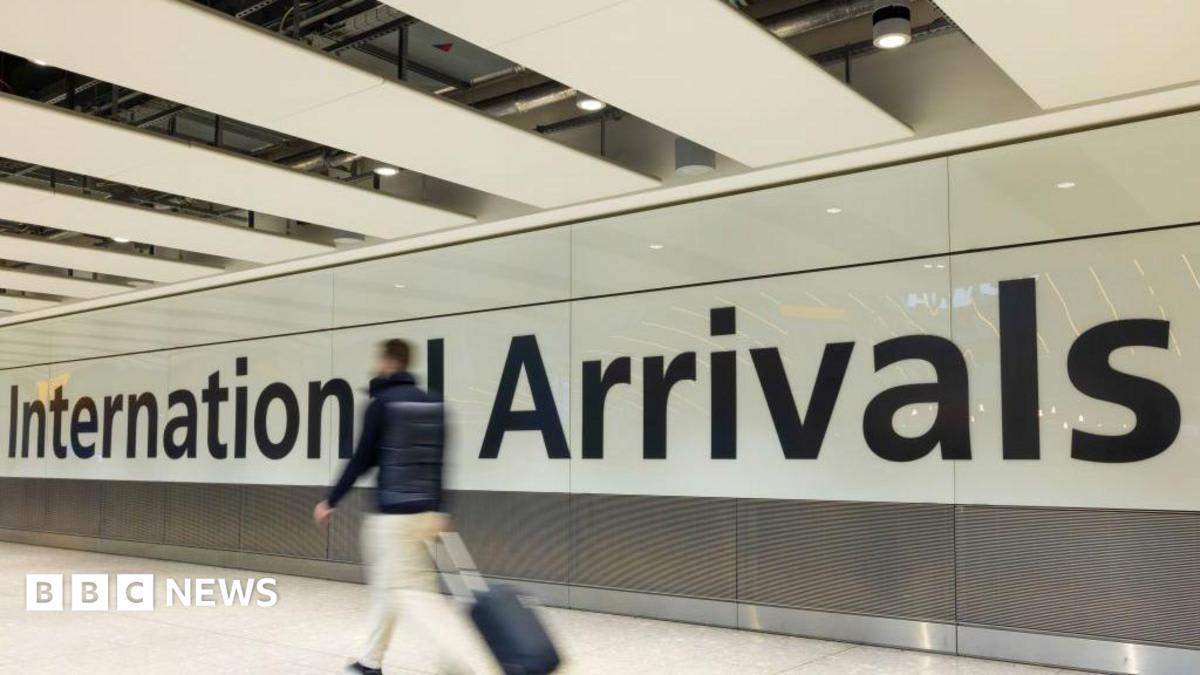
UK net migration has plummeted to 77,000, the lowest level since 1997. Despite this 92% decline from previous peaks, Indian citizens remain the largest group of immigrants, primarily driven by study and work visas.
A Historic Shift in UK Migration Patterns
The United Kingdom has experienced a monumental shift in its demographic landscape, with the Office for National Statistics (ONS) reporting that net migration has fallen to just 77,000 for the year ending June 2026. This figure represents the lowest level of net migration since 1997, excluding the unique anomalies caused by the global pandemic. This 92% drop from the record high of 944,000 recorded in March 2023 signals a profound transformation in the nation's immigration trajectory.
Analyzing the Drivers of Decline
The primary catalyst for this dramatic reduction is a strategic overhaul of the UK's visa policies, specifically targeting non-EU immigration routes. By tightening requirements and adjusting the framework for those seeking to enter the country for work or study, the government has successfully curtailed the unprecedented surge in arrivals seen in previous years. Furthermore, a simultaneous reduction in asylum claims has contributed to the overall cooling of net migration figures, reflecting a broader governmental effort to exert tighter control over national borders.
The Continued Significance of Indian Immigration
Despite the overarching decline in total numbers, Indian nationals remain the most prominent demographic in the UK's migration data. With 123,000 Indian citizens arriving in the year ending June 2026, the data highlights that India continues to be the primary source of long-term international migration to the UK. The motivations for this migration are predominantly academic and professional, with 77,000 individuals arriving on student visas and 40,000 arriving for work purposes, underscoring the enduring strength of the UK-India educational and professional pipeline.
Historical Context and Policy Evolution
To put these figures into perspective, one must look back nearly three decades. The last time the UK saw net migration in the tens of thousands was during the era of the David Cameron administration, which had famously pledged to bring net migration below 100,000. While those historical targets were consistently missed for years, the current administration, led by the Labour Party, now finds itself overseeing figures that align with those long-standing, previously elusive benchmarks.
Future Implications and Trends
As the UK navigates this new environment of lower net migration, the focus will likely shift toward the economic impacts of these tighter controls. With 661,000 people emigrating from the UK alongside 738,000 arrivals, the equilibrium of the labor market will be a critical area of concern for policymakers. The reliance on international students and skilled workers, particularly from nations like India, suggests that the government must strike a delicate balance between limiting total numbers and maintaining the essential influx of human capital required to sustain key sectors of the British economy.