UK 16- and 17-year-olds to be encouraged to follow midnight social media curfew
Source Entity
Robert Booth UK technology editor
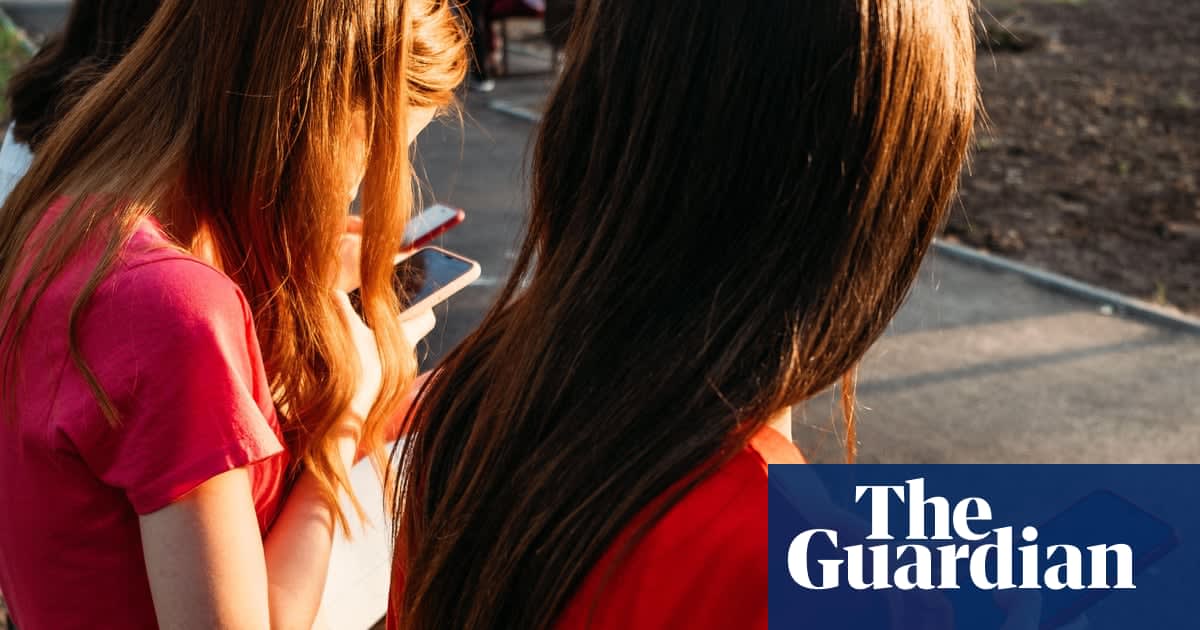
The UK government is introducing a non-mandatory midnight-to-6am social media curfew for 16 and 17-year-olds to combat online harms and sleep deprivation, extending previous restrictions implemented for those under 16.
Balancing Digital Connectivity and Youth Wellbeing: The UK's Midnight Curfew
In a significant move to address the escalating crisis of youth mental health and sleep deprivation, the UK government, led by the Labour party, has announced a proposed midnight-to-6am social media curfew for 16 and 17-year-olds. This initiative, scheduled for implementation next spring, represents a strategic attempt to mitigate 'online harms' by discouraging the habit of nocturnal scrolling. By introducing a default block on major platforms—including TikTok, Instagram, Snapchat, X, Facebook, and YouTube—the government aims to create a structural nudge that encourages teenagers to disconnect and prioritize restorative sleep.
The Biological and Psychological Imperative
The focus on the midnight-to-6am window is not arbitrary; it targets the critical intersection of adolescent brain development and the addictive nature of algorithmic feeds. Constant exposure to blue light from screens suppresses melatonin production, while the dopamine loops inherent in social media engagement keep the teenage brain in a state of high arousal. By specifically targeting the late-night hours, the government is addressing the 'sleep debt' that often leads to decreased academic performance, increased anxiety, and depression among the youth. This policy recognizes that for many 16 and 17-year-olds, the lack of self-regulation in the face of persuasive design is a systemic issue rather than a personal failing.
Analysis of the 'Nudge' Framework
A critical aspect of this policy is its non-mandatory nature. Unlike the stricter bans imposed on children under 16, the curfew for older teens is designed as a 'default' setting that can be overridden. This distinction is likely a calculated move to balance safeguarding with the growing autonomy of young adults. By making the block the default, the government utilizes 'choice architecture' to make the healthy choice the easiest one, while still allowing for flexibility in exceptional circumstances. However, the efficacy of such a measure remains a point of debate, as tech-savvy teenagers are often adept at finding workarounds or simply toggling the override switch.
Integration with Broader Legislative Goals
This curfew is not an isolated event but the latest stage in a comprehensive bid to protect the 'next generation' from the predatory aspects of the digital economy. It builds upon the foundation of the under-16 social media ban, signaling a tiered approach to digital maturity. This trajectory suggests that the UK is moving toward a more regulated digital environment where age-appropriate access is the norm rather than the exception. By targeting platforms like X and TikTok, the government is directly confronting the companies whose business models rely on maximizing time-on-device, effectively pitting public health goals against corporate profit motives.
Technical Implementation and Industry Friction
The success of this initiative depends heavily on the cooperation of Big Tech. Implementing a default block based on age requires robust age-verification systems, which have historically been a point of contention due to privacy concerns. There is a significant technical challenge in ensuring that these blocks are applied consistently across different operating systems and app versions without infringing on the data privacy of the users. The friction between government mandates and the API capabilities of global platforms will likely be the primary hurdle during the rollout next spring.
Future Outlook and Global Implications
If successful, the UK's approach could serve as a blueprint for other nations struggling with the societal impacts of social media. We can expect a trend toward 'digital hygiene' legislation, where governments move beyond content moderation to regulate the timing and duration of access. In the coming years, we may see these curfews evolve into more sophisticated, AI-driven wellness tools that adapt to a user's actual sleep patterns. Ultimately, this move signals a paradigm shift: the transition from viewing social media as a neutral tool to treating it as a powerful environmental factor that requires active state regulation to prevent public health crises.