How Ukraine is using AI to track and destroy Russian forces
Source Entity
DHRUV YADAV
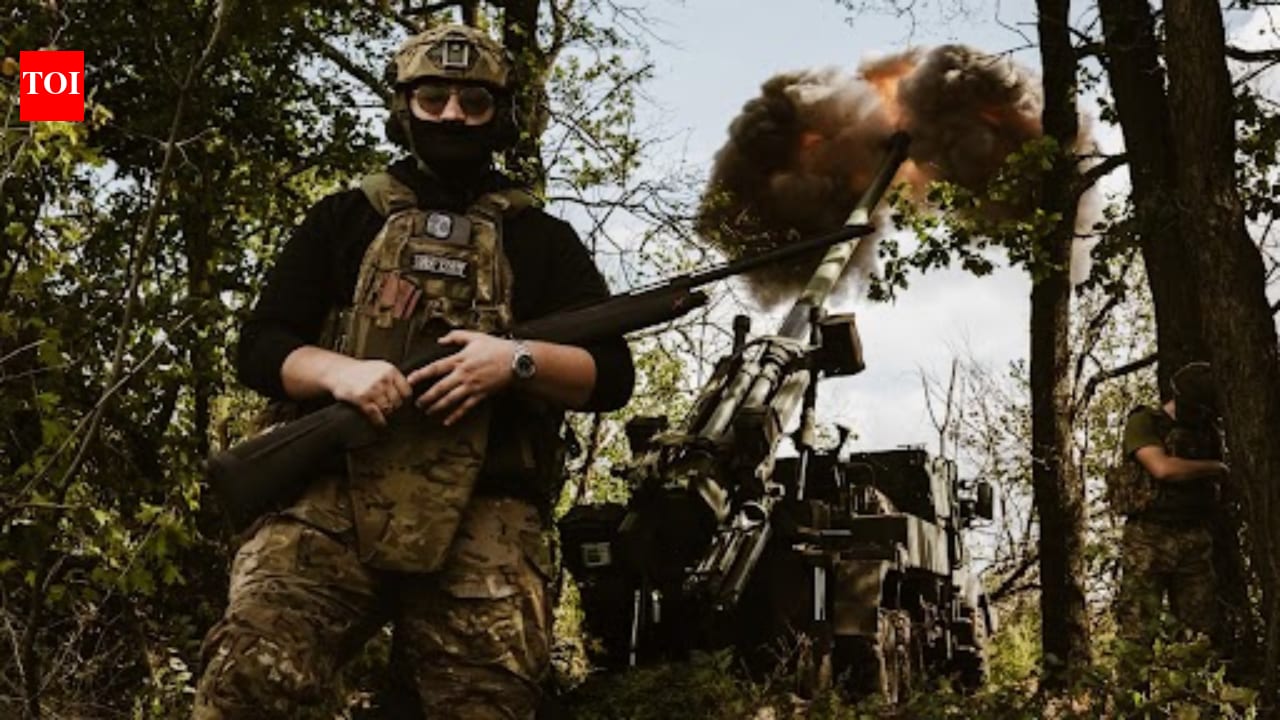
Ukraine is leveraging advanced AI-integrated systems like DELTA and ODIN to modernize its battlefield management and intelligence processing. These technologies significantly enhance operational efficiency and target engagement speed, marking a shift toward data-driven warfare.
The Digital Transformation of the Ukrainian Battlefield
The ongoing conflict in eastern Ukraine has fundamentally shifted the paradigm of 21st-century warfare, moving away from the expectation of short, decisive engagements toward a prolonged, high-tech attritional struggle. Central to this evolution is the integration of advanced battlefield management systems that convert fragmented data into actionable intelligence. By utilizing sophisticated software, Ukrainian forces have demonstrated that the ability to curate a real-time combat picture is as critical as traditional kinetic capabilities.
The Role of DELTA in Operational Efficiency
At the heart of Ukraine’s digital defense architecture is the DELTA system. Developed in 2016, DELTA serves as a comprehensive situational awareness platform that integrates a multitude of data sources, ranging from satellite imagery to ground-based sensors. By centralizing this information, commanders can visualize the battlefield with unprecedented clarity. This integration is not merely for observation; it has been proven to significantly reduce the time required for target engagement, providing a decisive advantage in a fast-moving combat environment where seconds often determine the success or failure of a mission.
AI and the Intelligence Revolution: The ODIN System
Complementing the situational awareness provided by DELTA is the emergence of the ODIN system. As the conflict necessitates the processing of massive amounts of raw intelligence, artificial intelligence has become an indispensable tool. ODIN utilizes AI to automate the analysis of intelligence feeds, allowing for the rapid identification of threats and opportunities that would be impossible for human analysts to process manually in real-time. This shift toward AI-assisted decision-making represents a broader trend in global military modernization.
Unmanned Systems and Kinetic Warfare
The reliance on these software platforms is inextricably linked to the proliferation of unmanned systems across air, land, and sea domains. The conflict has showcased how drones serve as both eyes and strikers on the front line. For instance, the deployment of French Caesar guns, often guarded against enemy drone threats, highlights the constant interplay between traditional heavy artillery and modern autonomous surveillance. The ability to coordinate these assets through a unified digital interface is what elevates a conventional military force into a modern, network-centric army.
Future Implications for Global Defense
The lessons being learned in Ukraine are likely to influence military doctrines worldwide for decades. The move toward 'data-centric' warfare suggests that future conflicts will be won by those who can best aggregate and act upon data from thousands of collection points simultaneously. As the conflict nears its five-year mark, the refinement of these systems—and their ability to remain resilient against electronic warfare—will remain a primary indicator of operational success. The Ukrainian experience proves that in modern war, information superiority is not just an advantage; it is a fundamental requirement for survival.