Pushing 100,000 tonnes to align with White House: Latest silly trend of shifting landmarks
Source Entity
The Indian Express
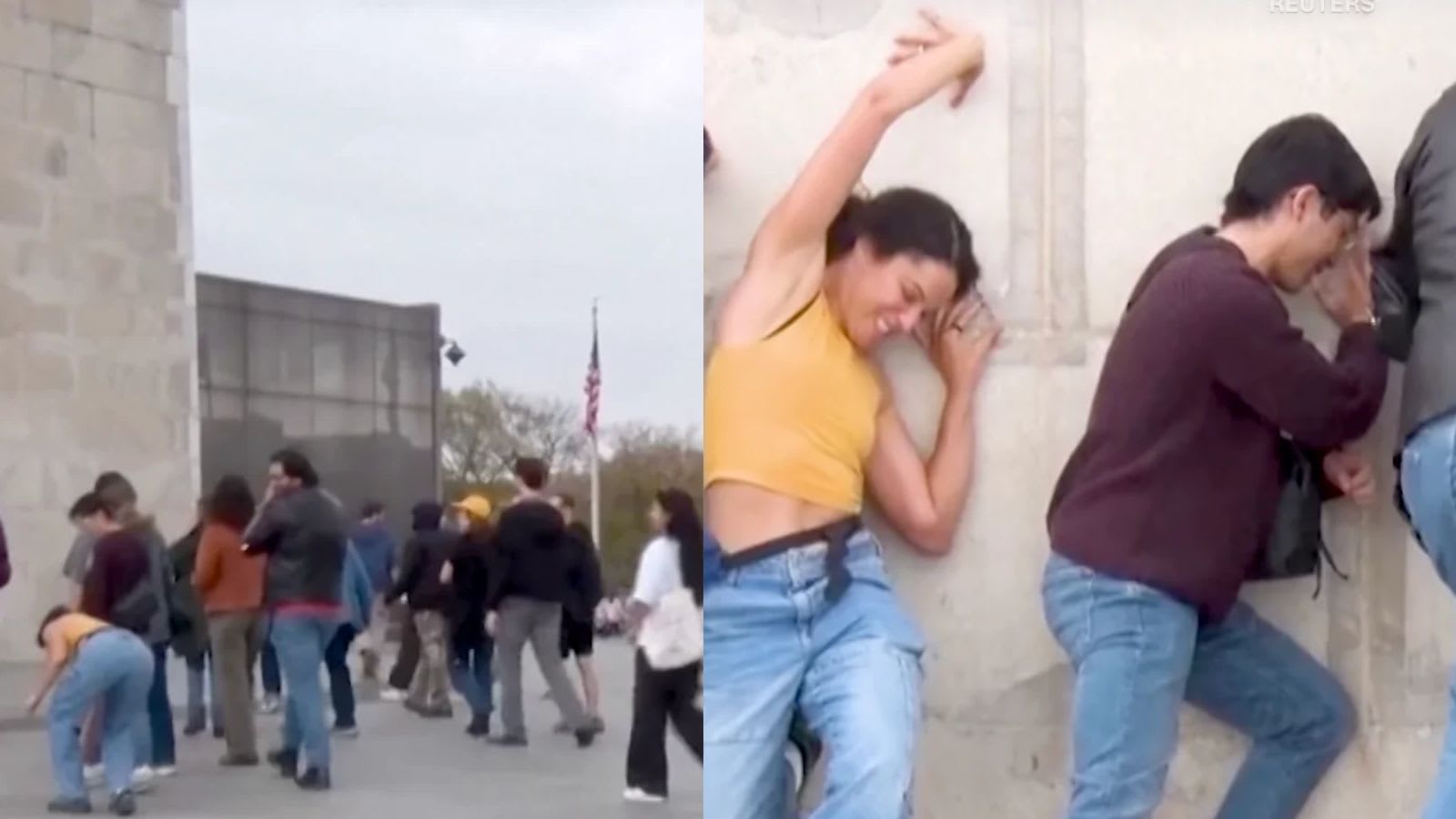
A viral trend involving crowds attempting to physically push stationary landmarks has emerged, recently targeting the Washington Monument. Despite the absurdity of the effort, these events highlight the power of social media in mobilizing groups for performative, non-functional acts.
The Viral Trend of 'Moving' Landmarks
Recent weeks have witnessed a peculiar and scientifically impossible trend: crowds of people gathering to physically shift massive, immovable landmarks. Following a viral attempt to push Chicago’s 'Cloud Gate' sculpture—affectionately known as 'The Bean'—seven inches to the left, a similar spectacle took place in Washington, D.C. Hundreds of individuals convened at the National Mall to attempt to push the 100,000-tonne Washington Monument, with the stated, albeit whimsical, goal of better aligning the obelisk with the White House.
The Physics of the Impossible
From a structural engineering perspective, the notion that a human crowd could displace a 100,000-tonne marble and granite structure is, of course, entirely impossible. The Washington Monument is anchored by a massive foundation designed to withstand extreme environmental pressures, including high winds and seismic activity. Attempting to shift such an object by hand ignores the fundamental laws of friction and mass. The public reaction, which included mocking comments such as "Now I know who failed Physics," reflects a collective recognition of the absurdity inherent in the premise.
Social Media as a Catalyst
This phenomenon is a quintessential example of modern viral culture, where the primary objective is not the successful completion of the task, but the creation of shareable content. The organization of these events, which likely began as tongue-in-cheek social media challenges, highlights how digital platforms can mobilize large groups for performative actions. By documenting these efforts on Instagram and other platforms, participants engage in a communal experience that prioritizes irony and engagement metrics over logic or utility.
Broader Implications for Public Spaces
While these events are largely harmless, they underscore a shifting relationship between the public and iconic landmarks. These monuments, traditionally viewed with reverence or as historical touchstones, are being reframed as props in a digital game. This trend reflects a broader move toward 'gamified' civic participation, where public spaces are treated as interactive elements of a global, online narrative rather than static centers of heritage and history.
Future Trends in Performative Activism
Looking ahead, it is likely that we will see more of these 'absurdist' gatherings. As long as these stunts generate significant social media traction, the incentive to organize them remains high. However, as the novelty wears off, the focus of such trends may shift toward more creative, albeit equally futile, attempts to engage with urban landscapes. Ultimately, these incidents serve as a fascinating case study in how internet culture can temporarily override the reality of physical limitations, turning the immovable into the subject of a fleeting, viral moment.