World News Live Updates: Crimea bridge attacked again, says Russia
Source Entity
The Indian Express
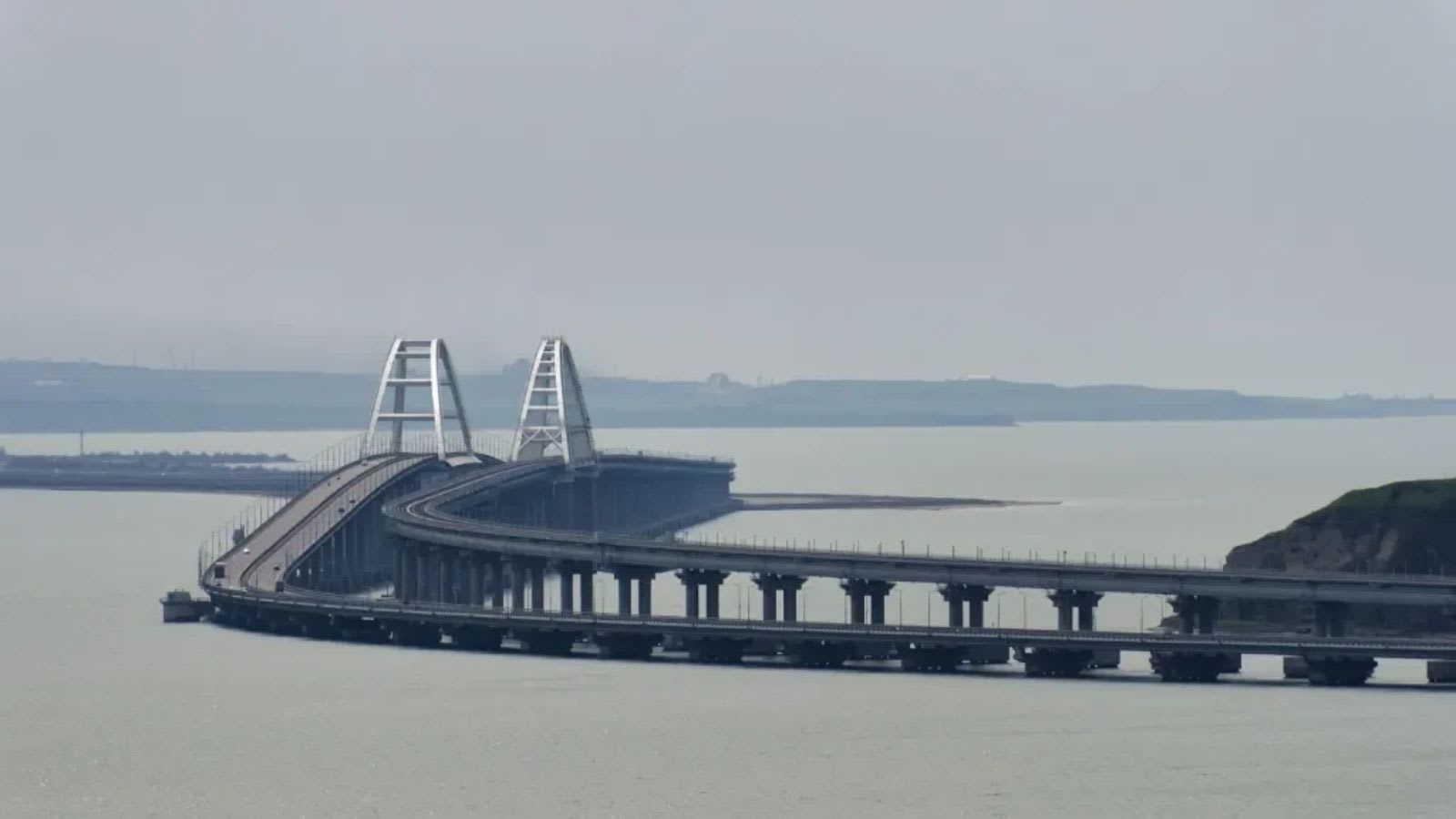
Ukraine successfully damaged the Kerch Strait Bridge using homegrown drone technology, bypassing reliance on Starlink. This strategic strike disrupts a vital Russian logistical artery and symbolic asset in occupied Crimea.
The Strategic Erosion of the Kerch Strait Bridge
On November 15 and 16, Ukraine executed a sophisticated, multi-layered military operation that resulted in the partial collapse of the Kerch Strait Bridge, a $3.6 billion infrastructure project that serves as a cornerstone of Russian logistics and a potent symbol of President Vladimir Putin’s authority in occupied Crimea. By utilizing a coordinated wave of hundreds of drones to overwhelm Russian air defense systems, Ukrainian forces were able to clear a path for remote-controlled missile strikes to target the structure's critical steel arches.
Technological Innovation and Autonomy
One of the most significant aspects of this operation is Ukraine's tactical pivot away from reliance on external military-grade satellite communications. By employing homegrown technology and relay drones, Ukrainian forces successfully bypassed the limitations of Elon Musk’s Starlink, which has previously imposed constraints on how its network can be utilized in offensive operations. This shift demonstrates a maturing domestic defense industry capable of sustaining complex, long-range strikes deep within Russian-occupied territory without foreign logistical dependency.
Logistical Consequences for the Southern Front
Beyond the symbolic weight of the attack, the structural damage has profound operational implications. The collapse of the road bridge’s suspension arch and the obstruction of the shipping channel to the Azov Sea force a significant degradation of Russia’s supply chain. Furthermore, the restriction of the parallel rail bridge to a single track severely hampers the Russian military’s ability to move heavy equipment and munitions into the southern theater, effectively constricting the flow of resources to its military groupings.
The 'Battle of Bridges' and Tactical Parity
This incident is part of a broader, intensified "battle of bridges" spanning over 700 kilometers of the front line. While Russia continues its own campaign of infrastructure destruction, the Ukrainian approach has been noted for its creative orchestration. By targeting four separate crossings simultaneously, Ukraine is forcing Moscow to spread its defensive assets thin, proving that the conflict has evolved into a high-stakes competition of engineering and resource management.
Future Trends in Infrastructure Warfare
As the conflict persists, infrastructure has become the primary theater of attrition. The repeated strikes confirmed by Russian officials, including Sergei Aksyonov, indicate that the Kerch Bridge is no longer a secure asset. The persistent nature of these attacks suggests a long-term Ukrainian strategy to isolate Crimea, effectively turning the peninsula from a logistical hub into a potential liability for the Kremlin. Future trends will likely see an increase in asymmetric drone warfare as both sides attempt to protect or destroy the remaining connectivity links that sustain the war effort.