Vulcan failure caused by inadequate fuel supply to engines, ULA says
Source Entity
Eric Berger
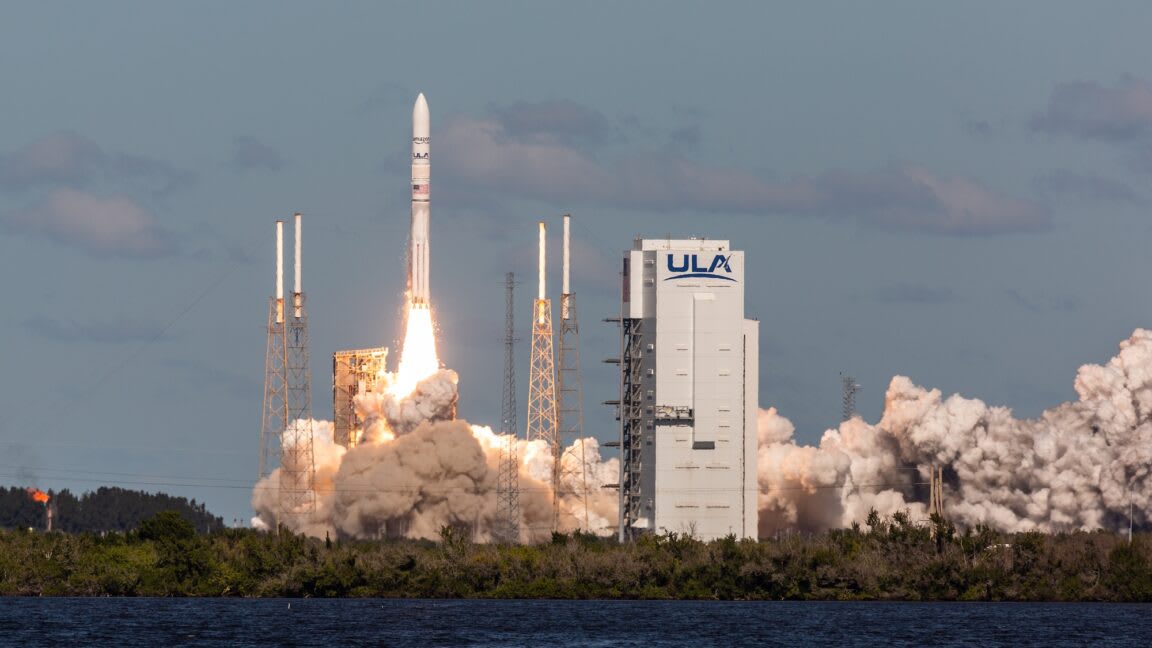
United Launch Alliance has identified an inadequate fuel supply to the BE-4 engines as the primary cause of the recent Vulcan rocket launch anomaly. This finding clears Blue Origin's engine performance of fault, shifting the focus to vehicle-level systems.
Analysis of the Vulcan Rocket Launch Anomaly
Root Cause Identification
United Launch Alliance (ULA) has officially confirmed that the recent anomaly experienced by the Vulcan rocket during its Leo 1 launch was not a result of engine failure. Following an integrated review of flight data, the company identified that the low booster thrust was directly attributable to an inadequate fuel supply from the vehicle to the BE-4 engines. This distinction is critical, as it isolates the issue to the rocket's internal plumbing and fuel delivery systems rather than the propulsion units themselves.
Clearing the BE-4 Engine
For weeks, industry observers speculated on whether the BE-4 engines, manufactured by Blue Origin, were the source of the performance deficit. By clarifying that the engines performed as expected, ULA has effectively shielded its partner from technical scrutiny regarding engine reliability. This finding aligns with early reporting, reinforcing the importance of transparency in the aerospace sector when dealing with complex, multi-vendor launch vehicle architectures.
Implications for ULA’s Roadmap
This revelation serves as a pivotal moment for ULA as it navigates the competitive launch market. The Vulcan rocket is intended to replace the legacy Atlas V and Delta IV Heavy vehicles, making its operational success vital for the company's long-term viability. By identifying the failure as a fuel delivery issue—a mechanical or systems engineering hurdle—rather than a fundamental design flaw in the high-performance engines, ULA can focus its corrective efforts on specific vehicle-side modifications.
The Path to Return to Flight
While the company has completed its initial review, the path forward requires rigorous testing to confirm the exact nature of the fuel supply restriction. The statement that "work remains to determine cause" indicates that engineering teams are likely investigating potential valve malfunctions, pressurization anomalies, or flow obstructions. The industry's confidence in the Vulcan platform remains high, as evidenced by the sentiment that "ULA is a valued partner," suggesting that stakeholders are prepared to support the platform through this developmental setback.
Future Trends and Reliability
Looking ahead, this event underscores the inherent risks associated with introducing new heavy-lift launch vehicles. The aerospace industry has historically faced similar hurdles during the maiden voyages of complex systems. As ULA moves toward its return-to-flight mission, the focus will undoubtedly shift to enhancing redundancy in fuel management systems. This incident will likely result in more stringent pre-flight testing protocols for fuel delivery to ensure that the BE-4 engines receive the consistent, high-pressure flow required for successful lift-off and orbital insertion in future missions.