Umar Khalid, Sharjeel Imam Denied Bail In Delhi Riots Case
Source Entity
NDTV News Search Records Found 1000
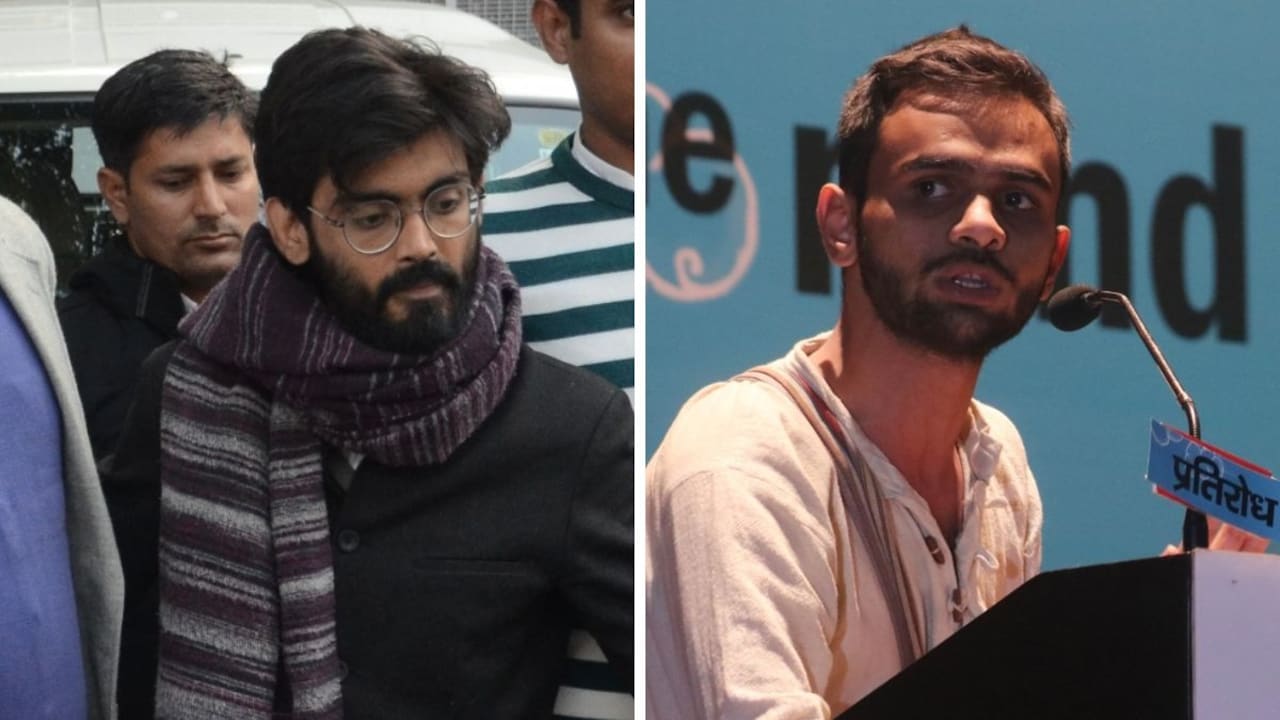
A Delhi court has denied bail to Umar Khalid and Sharjeel Imam in connection with the 2020 Delhi riots case. Both individuals remain in custody under the stringent Unlawful Activities (Prevention) Act (UAPA).
Legal Developments in the 2020 Delhi Riots Case
The denial of bail for Umar Khalid and Sharjeel Imam marks a significant continuation in the judicial proceedings surrounding the 2020 Delhi riots. Both individuals have been central figures in the investigation, facing serious charges under the Unlawful Activities (Prevention) Act (UAPA), a legislative framework designed to address activities that threaten the integrity and security of the nation.
The Role of the UAPA
The application of the UAPA in this case highlights the gravity with which the Indian judicial system views the allegations linked to the 2020 unrest. By invoking this act, the prosecution has positioned the charges beyond common criminal law, suggesting that the accused played a role in orchestrating a broader conspiracy. The denial of bail reflects the court’s current assessment of the evidence presented by investigative agencies regarding the scale of the riots.
Judicial Scrutiny and Precedent
In the context of Indian criminal jurisprudence, securing bail under the UAPA is notoriously difficult, as the act shifts the burden of proof significantly toward the defense. The courts must evaluate whether there are reasonable grounds to believe the accusations are prima facie true. For figures like Khalid and Imam, the judicial process has been protracted, reflecting the complexity of the evidentiary requirements and the sensitivity of the charges involving public order and national security.
Broader Implications for Civil Discourse
The ongoing legal battle involving these activists has sparked extensive debate regarding the boundaries of dissent and the state's power to regulate speech. Critics often argue that the use of such stringent laws against political activists can have a chilling effect on democratic discourse. Conversely, the state maintains that these measures are necessary to prevent the incitement of violence and to ensure that protests do not escalate into organized subversion of public order.
Historical Context and Future Trends
The 2020 Delhi riots stand as a pivotal moment in contemporary Indian history, representing a period of intense social friction. As legal proceedings continue, the outcome of these cases will likely set important precedents for how the judiciary interprets the intersection of the right to protest and the state's mandate to maintain security. Future trends in these trials will be closely monitored, as they will define the legal standards for political activism and the limits of state intervention in the years to come.
Verification Required?