Amit Shah's Jalandhar Rally Triggers AAP-BJP Face-Off Over Punjab Drug Crisis
Source Entity
NDTV News Search Records Found 1000
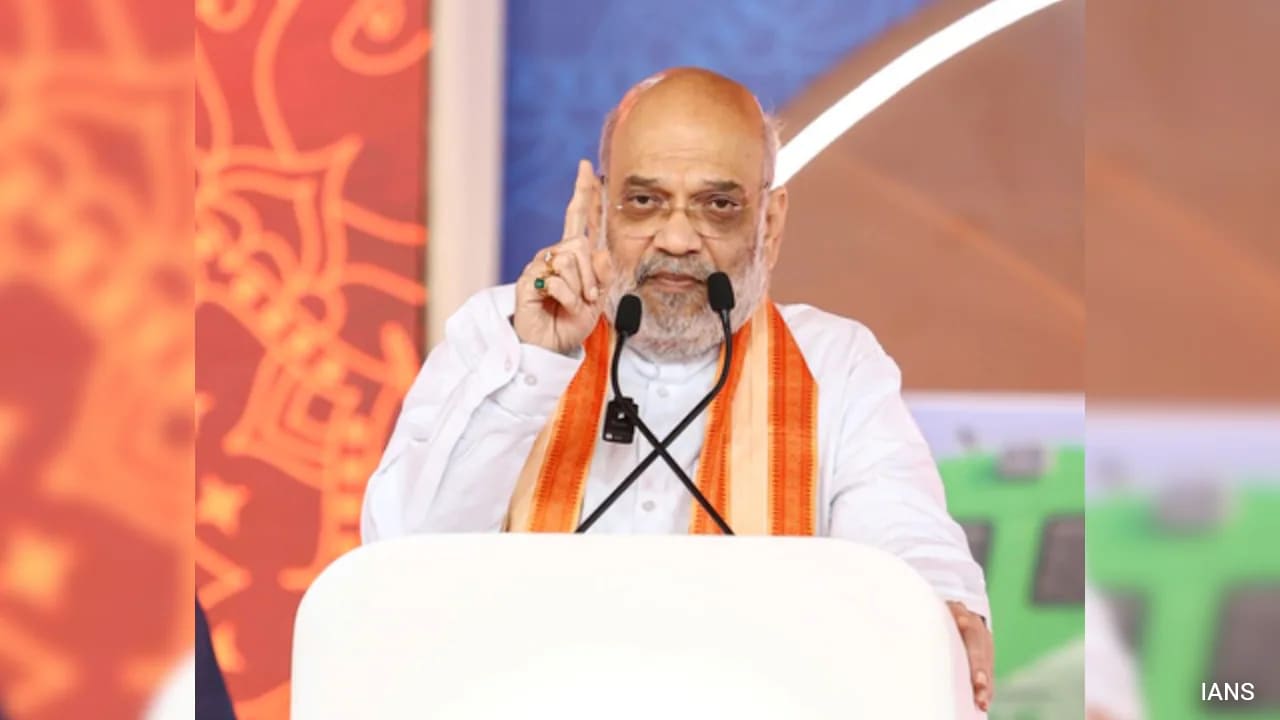
Union Home Minister Amit Shah has launched a direct political offensive against the AAP government in Punjab, labeling it an 'Aapda' (disaster) regarding the state's drug crisis. The BJP has pledged to eradicate synthetic drugs by December 2029, making it their central campaign plank for the 2027 assembly elections.
The Politicization of Punjab's Drug Crisis
Union Home Minister Amit Shah’s recent visit to Jalandhar, marking the culmination of the BJP’s 'Nasha Mukt Punjab Yatra,' signals a significant escalation in the political rivalry between the Bharatiya Janata Party (BJP) and the Aam Aadmi Party (AAP). By characterizing the current state administration as an 'Aapda' (disaster) government, Shah has moved beyond standard policy critique, positioning the BJP as the sole viable alternative to address the state's deep-rooted substance abuse issues.
The 'Nasha Mukt' Strategy
The 'Nasha Mukt Punjab Yatra,' which commenced on September 18, served as a grassroots outreach mechanism designed to mobilize public sentiment against the current government. By systematically reaching villages across the state, the BJP aims to transform the drug crisis from a general societal concern into a focused electoral mandate. This strategy underscores the party's intent to centralize the drug narrative as the primary driver for the upcoming 2027 assembly elections.
The 2029 Deadline and Electoral Stakes
During his address in Jalandhar, Amit Shah set a concrete timeline, pledging to eradicate the trade of 'chitta' (synthetic drugs) by December 31, 2029, should the BJP be voted into power. This specific deadline serves a dual purpose: it creates a measurable benchmark for potential governance while simultaneously raising the stakes for the 2027 election. By explicitly stating that the drug issue will supersede other concerns—such as agriculture, industry, and law and order—the BJP is betting that the electorate’s frustration with the drug menace will outweigh traditional regional political priorities.
Critiquing Governance and Synthetic Trade
Shah’s allegations center on the claim that the AAP government has allowed the synthetic drug trade to flourish openly. This narrative targets the perceived administrative failures of the Bhagwant Mann-led government. By framing the drug issue as a symptom of 'poor governance,' the Union Home Minister is attempting to erode the AAP's credibility on matters of public safety, shifting the discourse toward institutional accountability and the alleged lack of enforcement against drug syndicates.
Future Trends and Political Realignment
As the 2027 election cycle approaches, the political landscape in Punjab is likely to become increasingly polarized around this specific issue. The BJP’s commitment to making a 'drug-free' state the central plank of its campaign suggests a high-stakes effort to consolidate support among demographics most affected by the crisis. Moving forward, the effectiveness of this rhetoric will depend on how the AAP responds to these accusations and whether the electorate views the BJP’s proposed timeline as a realistic policy solution or merely a strategic campaign maneuver.
Multiple Citing Sources
Verification Required?