Understanding hair follicles and their growth cycle
Source Entity
Latest News: Todays Latest News Headlines from India & World | Hindustan Times | Hindustan Times
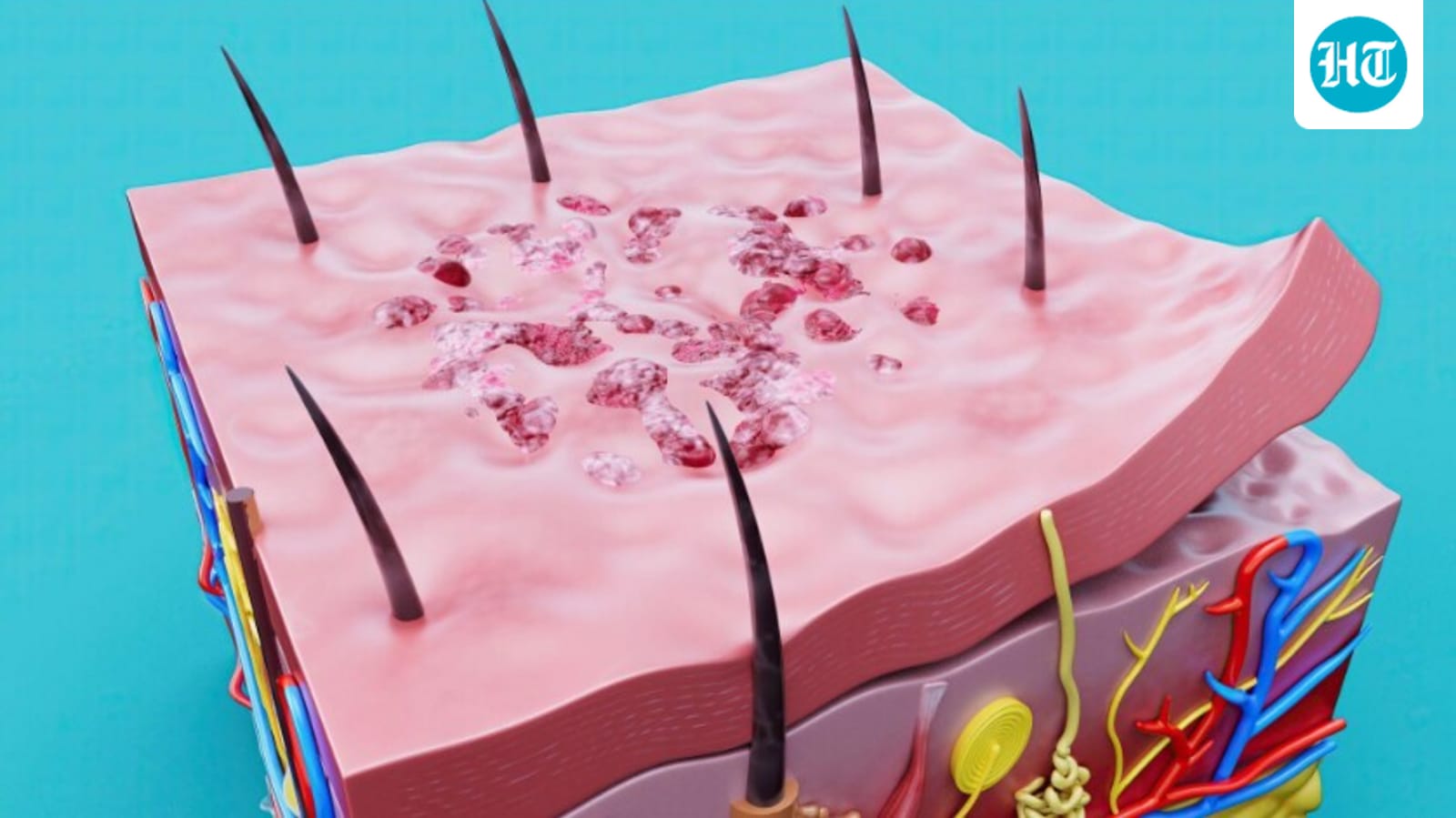
Hair health is fundamentally linked to the biological function of hair follicles and the condition of the scalp. Maintaining hair growth requires addressing underlying internal factors rather than relying solely on surface-level treatments.
The Biological Foundation of Hair Health
Hair health is often misunderstood as a surface-level aesthetic concern, but it is deeply rooted in the complex biological function of the hair follicle. A hair follicle is not merely a pore; it is a sophisticated, tunnel-like mini-organ embedded within the skin. Each follicle functions as an independent unit, housing the dermal papilla—a cluster of specialized cells that serve as the command center for hair production. These cells communicate directly with the bloodstream to receive nutrients and signal the onset of growth, making the follicle a critical site of metabolic activity.
Anatomy of the Follicle
Beyond the hair shaft itself, the follicle is equipped with a support system including a dedicated blood supply, a sebaceous gland, and the arrector pili muscle. This integrated structure ensures that the hair has the necessary inputs—such as oxygen and nutrients—to thrive. When this system is disrupted, the follicle’s ability to anchor hair and produce new strands is compromised. Understanding this micro-anatomy is essential for anyone seeking to address hair thinning, as it highlights that the follicle acts as a functioning organ that requires systemic support to perform its biological duties.
The Growth Cycle Dynamics
Every hair follicle operates on a rhythmic, non-continuous schedule characterized by distinct phases. The most prominent of these is the Anagen phase, representing the active growth period. Because follicles cycle through these phases, hair loss is often the result of a disruption at a deeper, cellular level rather than a sudden external event. When the signaling process between the dermal papilla and the rest of the follicle is interrupted, the cycle can be prematurely shortened, leading to visible thinning.
The Scalp: The Essential Ecosystem
While the follicle is the engine of growth, the scalp is the environment that sustains it. Many hair care routines fail because they neglect the scalp, treating it only when symptoms like dandruff or chronic itching appear. The scalp is an extension of the skin, possessing its own unique microbiome, pH balance, and nerve endings. When this ecosystem becomes imbalanced due to excess oil production, inflammation, or external stressors, the health of the follicles beneath the surface is inevitably compromised.
Shifting the Paradigm of Hair Care
To effectively manage hair health, one must shift from a reactive approach to a proactive, internal-focused strategy. Surface treatments often address the symptoms of hair distress, such as brittleness or thinning, but they rarely correct the underlying imbalances in the scalp or the follicle's internal signaling. By prioritizing scalp microbiome health and systemic internal wellness, individuals can create an environment that supports, rather than hinders, the natural hair growth cycle. Addressing these root causes is the most viable path to long-term hair maintenance.
Verification Required?