Peripheral vascular disease (PVD): Vascular surgeon Dr Rajiv Parakh explains the symptoms, risks, prevention, treatment
Source Entity
Latest News: Todays Latest News Headlines from India & World | Hindustan Times | Hindustan Times
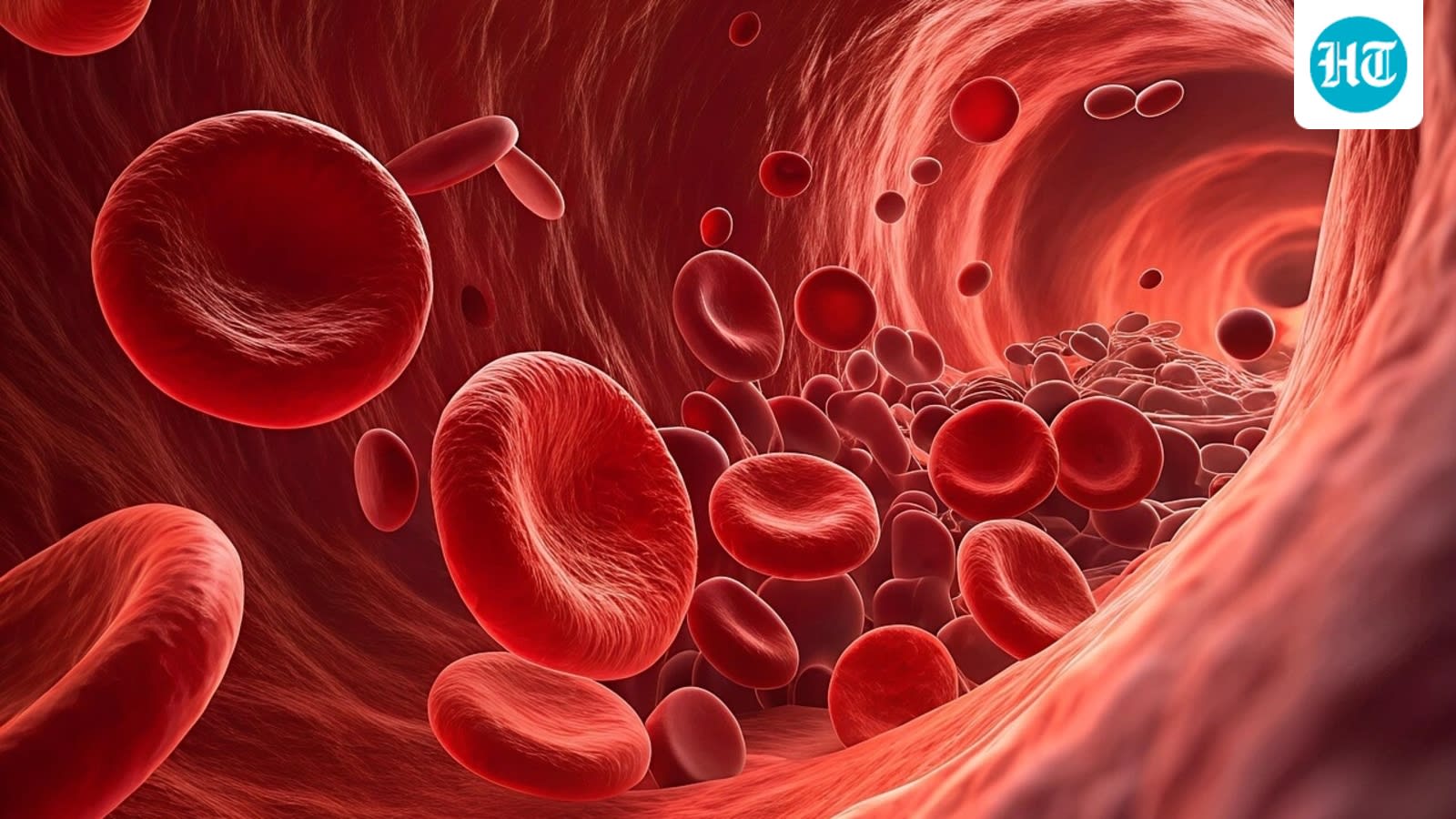
Peripheral vascular disease (PVD) is a serious circulatory disorder that restricts blood flow to the limbs and major organs. Expert Dr. Rajiv Parakh highlights the importance of recognizing silent symptoms to prevent severe complications and maintain long-term mobility.
Understanding the Silent Progression of Peripheral Vascular Disease
Peripheral vascular disease (PVD) represents a significant, often overlooked challenge in cardiovascular health. As explained by vascular surgeon Dr. Rajiv Parakh, PVD is fundamentally a circulatory disorder characterized by the narrowing or blockage of blood vessels, which severely restricts the flow of blood to the limbs. While the condition most frequently manifests in the legs, its impact is rarely localized, making early detection a critical component of preventative medicine.
The Systemic Nature of PVD
Unlike conditions that remain confined to a single organ, PVD is a multi-systemic disorder. Dr. Parakh notes that because it affects arterial systems throughout the body—including the heart, brain, and kidneys—the presence of PVD often serves as a marker for broader vascular health issues. This systemic involvement is precisely why PVD is frequently labeled a 'silent killer'; the damage occurring in the periphery is often indicative of concurrent, undiagnosed issues in more vital organs.
Identifying Symptoms and Risks
Recognizing the 'silent' symptoms of PVD is the first step toward effective management. Patients often ignore early warning signs, which can lead to rapid disease progression. Understanding the specific risk factors associated with arterial narrowing allows individuals to seek medical intervention before the condition leads to irreversible tissue damage or loss of mobility. Physicians emphasize that proactive screening for those at higher risk—such as smokers, diabetics, and those with hypertension—is essential for long-term health.
Complications and Long-term Mobility
When left untreated, the restriction of blood flow can lead to severe complications, including chronic pain, non-healing ulcers, and in extreme cases, amputation. The focus on maintaining mobility is central to the treatment of PVD, as the ability to remain active is not only a marker of recovery but also a therapeutic strategy to improve collateral circulation. By addressing the underlying arterial blockage, patients can significantly enhance their quality of life.
Treatment and Prevention Strategies
Modern medical approaches to PVD involve a combination of lifestyle modifications, pharmacological management, and, when necessary, surgical intervention. Dr. Parakh’s insights underscore that prevention is far more effective than reactive treatment. By managing blood pressure, cholesterol, and blood sugar levels, patients can slow the progression of vessel hardening. Ultimately, public awareness regarding these vascular risks is the most potent tool available to mitigate the long-term impact of this complex disease.
Verification Required?