Cabinet approves fertiliser subsidy of Rs 62,370 crore for rabi season
Source Entity
The Indian Express
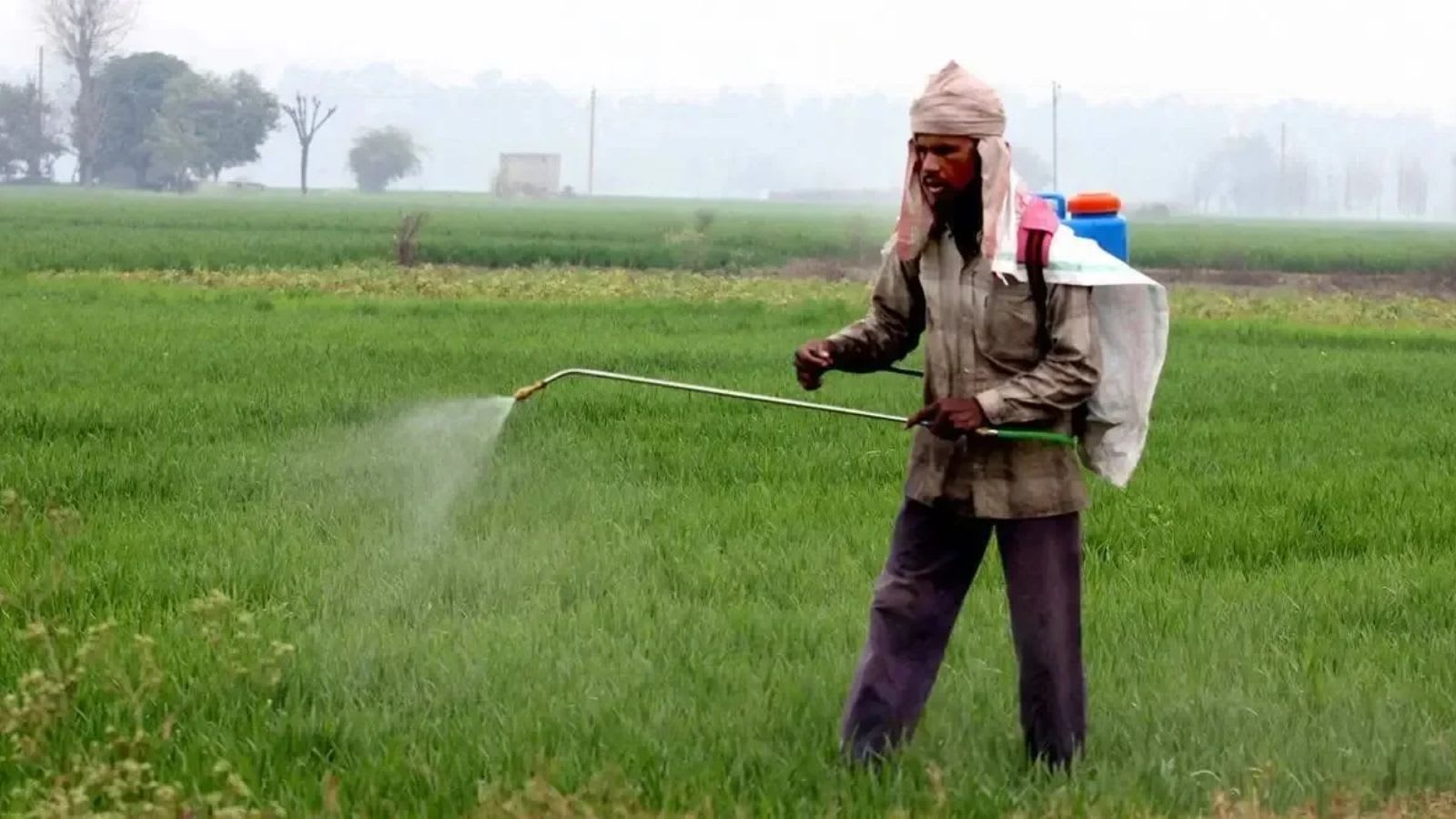
The Union Cabinet has approved a significant ₹62,370 crore subsidy for P&K fertilisers for the 2026-27 rabi season. This 64% increase aims to shield farmers from soaring global fertiliser prices driven by ongoing geopolitical conflicts.
Government Bolsters Agricultural Support with Major Fertiliser Subsidy
In a significant move to secure domestic food production, the Union Cabinet has approved a substantial fertiliser subsidy of ₹62,370 crore for the upcoming rabi season. This allocation, which covers the period from October 1, 2026, to March 31, 2027, marks a dramatic 64% increase over the previous year’s subsidy of ₹37,952 crore. By maintaining the Nutrient Based Subsidy (NBS) framework, the government aims to stabilize the agricultural sector against the volatile global market.
Mitigating Geopolitical Impacts on Agriculture
Union Information and Broadcasting Minister Ashwini Vaishnaw highlighted that the surge in the subsidy is a direct response to the escalating costs of fertilisers on the global stage. These price hikes are primarily attributed to the ongoing Russia-Ukraine war and the more recent conflict in West Asia, which have disrupted supply chains and increased energy costs, thereby inflating the production and transportation costs of essential nutrients like nitrogen, phosphorus, and potash.
Protecting the Farming Community
Central to this policy is the government's commitment to ensuring the availability of Di-ammonium Phosphate (DAP) at a fixed, affordable price of ₹1,350 per bag for farmers. By absorbing the additional costs through this subsidy, the administration is effectively insulating the farming community from the external shocks of international commodity price fluctuations, ensuring that the rabi crop cycle remains viable and productive.
Fiscal Context and Budgetary Adjustments
While the Union Budget for 2026-27, presented on February 1, initially projected a total fertiliser subsidy bill of ₹1.71 lakh crore—a reduction from the previous year’s ₹1.86 lakh crore—the subsequent geopolitical tensions necessitated a recalibration of fiscal priorities. The decision to increase the rabi subsidy allocation underscores the government’s flexibility in responding to unforeseen international crises to prevent domestic supply shortages.
Broader Economic Implications
The decision to prioritize the rabi season subsidy reflects a strategic emphasis on food security. As the primary inputs for wheat and other winter crops, P&K fertilisers are essential for maintaining yield levels. By ensuring these inputs remain subsidized, the government is not only protecting farmer incomes but also attempting to curb potential food inflation that could arise from reduced agricultural output.
Future Trends and Outlook
Looking ahead, the reliance on heavy subsidies to manage global market volatility suggests that the government will remain under fiscal pressure until global supply chains stabilize. The ability to continue this support remains a cornerstone of the administration's agricultural policy, positioning farmer welfare as a top priority even amidst a challenging global economic landscape.