Semicon 2.0, Varanasi projects, rail upgrades & more: 7 big decisions cleared by Cabinet
Source Entity
TOI BUSINESS DESK
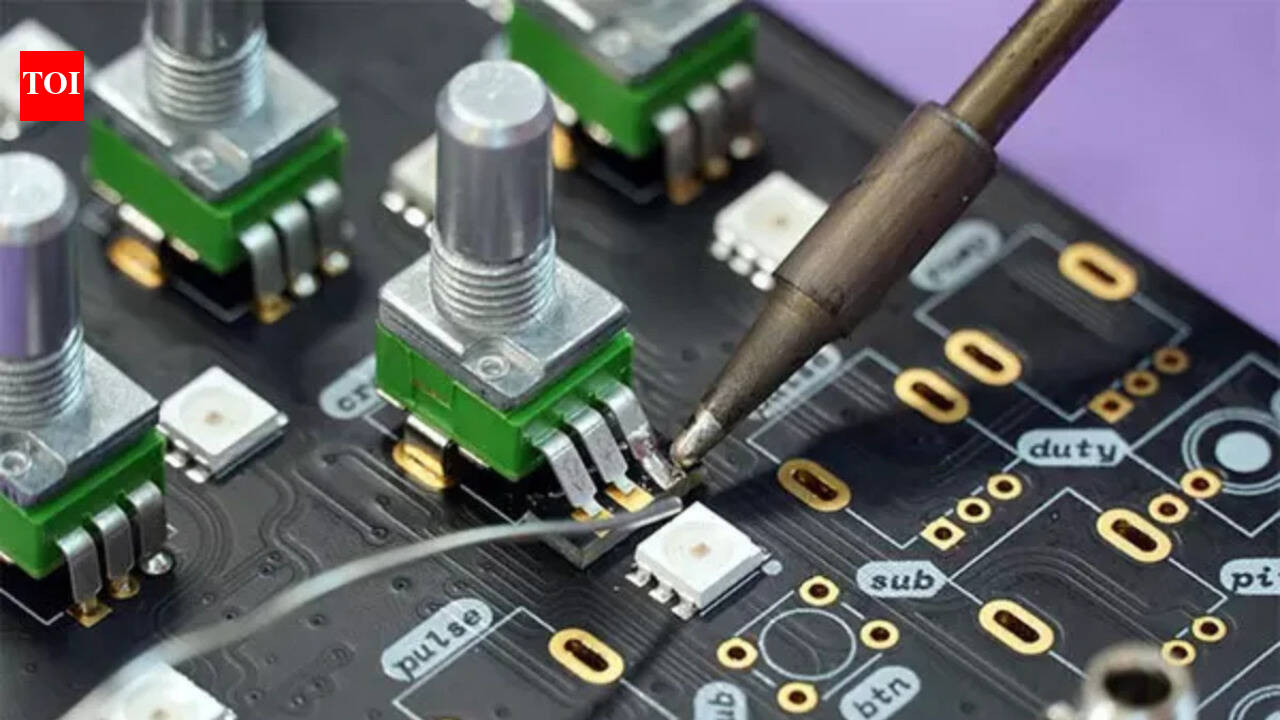
The Union Cabinet has sanctioned seven major initiatives aimed at bolstering India's industrial and infrastructure landscape. Key approvals include the Semicon 2.0 scheme, railway network upgrades, mobile phone manufacturing incentives, and a National Investment Policy for Urea to reduce import dependency.
Strategic Diversification: Analyzing the Union Cabinet's Seven Key Approvals
The recent decision by the Union Cabinet to approve seven significant initiatives marks a concerted effort by the Indian government to synchronize infrastructure growth with high-tech industrialization. By simultaneously addressing semiconductor manufacturing, railway modernization, and agricultural inputs, the government is attempting to create a multi-layered economic shield. This approach suggests a move beyond isolated sector growth toward a holistic ecosystem where logistics, technology, and food security are developed in tandem to ensure long-term macroeconomic stability.
The Tech Leap: Semicon 2.0 and Mobile Manufacturing
The approval of Semicon 2.0 and expanded schemes for mobile phone manufacturing represents a critical strategic pivot toward reducing dependence on foreign silicon and electronics. In the wake of global supply chain disruptions and the intensifying 'chip war' between major global powers, India's push for semiconductor self-reliance is no longer just an economic goal but a national security imperative. By incentivizing the local production of chips and mobile hardware, the government aims to move India up the value chain from a mere assembler of components to a primary designer and manufacturer. This transition is expected to attract massive Foreign Direct Investment (FDI) and create a high-skill job market for engineers and technicians.
Infrastructure as a Multiplier: Rail Upgrades and Varanasi Projects
Parallel to the tech push is the commitment to physical infrastructure, specifically through railway network upgrades and targeted projects in Varanasi. Modernizing the rail network is essential for reducing logistics costs, which historically have been higher in India compared to other major economies. These upgrades likely align with the broader 'Gati Shakti' National Master Plan, aiming for seamless multimodal connectivity. Furthermore, the focus on Varanasi projects suggests a strategy of developing regional urban hubs that can act as catalysts for local commerce and tourism, thereby decentralizing economic growth away from the primary metros and stimulating the hinterland economy.
Agrarian Sovereignty: The National Investment Policy for Urea
One of the most strategically significant decisions is the approval of the National Investment Policy for Urea. For decades, India has been heavily reliant on the import of urea and other fertilizers, leaving the agricultural sector vulnerable to international price volatility and geopolitical tensions. By creating a dedicated investment policy, the government is signaling a shift toward 'Atmanirbhar' (self-reliant) agriculture. This policy is expected to encourage private sector investment in indigenous fertilizer production, ensuring that farmers have stable access to essential nutrients, which in turn secures the national food supply chain and stabilizes rural incomes.
Synergistic Effects and Economic Implications
When analyzed collectively, these seven decisions reveal a synergy designed to trigger a multiplier effect across the economy. For instance, the success of the mobile manufacturing sector depends on the efficiency of the railway network for transporting raw materials and finished goods. Similarly, the growth of high-tech industries requires a stable socioeconomic base, which is supported by the agricultural stability provided by the new Urea policy. This integrated approach minimizes the risk of 'bottlenecking,' where growth in one sector is stunted by the failure of another supporting sector to keep pace.
Future Trends and Predictions
Looking forward, these approvals are likely to lead to a surge in Public-Private Partnerships (PPPs). The government is shifting from being a primary provider of services to an enabler of private investment. We can predict a trend where 'Special Economic Zones' (SEZs) around semiconductor hubs and modernized rail corridors become the new engines of GDP growth. Additionally, the emphasis on self-reliance in urea and chips suggests that India is preparing for a more fragmented global trade environment, prioritizing domestic resilience over lean, globalized supply chains.
Conclusion: A Blueprint for Resilience
In summary, the Union Cabinet's latest set of approvals is a comprehensive blueprint for national resilience. By balancing the 'cutting edge' (semiconductors and mobile tech) with the 'foundation' (railways and urea), the government is addressing both future aspirations and current vulnerabilities. If implemented effectively, these decisions will not only boost the GDP but will also fundamentally alter India's position in the global industrial hierarchy, moving it from a consumption-led economy to a production-led powerhouse.