UNP vs. NSC: One Is a Growth Play, the Other a Merger Bet
Source Entity
Yahoo Finance
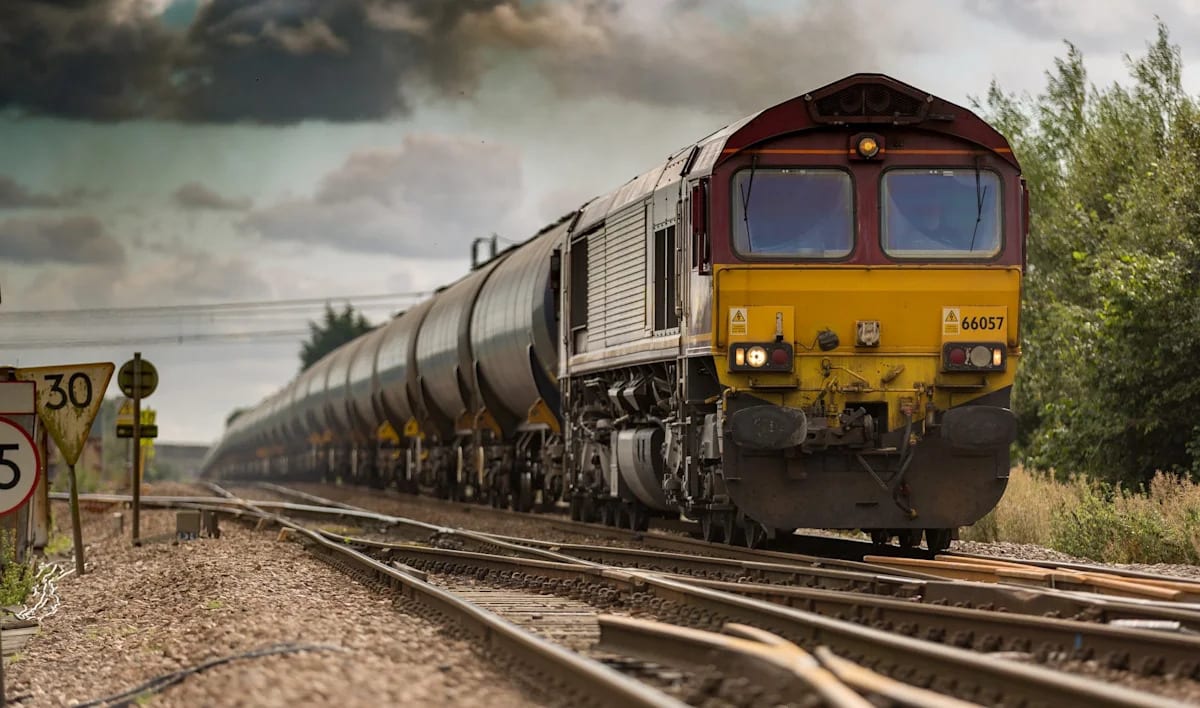
Union Pacific and Norfolk Southern recently released their Q2 earnings, highlighting divergent paths for investors. While Union Pacific focuses on organic growth and raised outlooks, Norfolk Southern's value proposition is increasingly linked to potential merger activity.
Assessing the Rail Sector: Union Pacific vs. Norfolk Southern
On July 23, the rail industry saw significant market activity as both Union Pacific Corporation (NYSE:UNP) and Norfolk Southern Corporation (NSC) released their second-quarter financial results. This dual disclosure provides a unique window into the current state of North American freight transportation, allowing investors to contrast two distinct strategic approaches: Union Pacific’s focus on internal operational efficiency and growth versus Norfolk Southern’s positioning within the landscape of consolidation and merger speculation.
Union Pacific’s Growth Trajectory
Union Pacific has demonstrated a robust financial performance, reporting an operating revenue of $6.9 billion for the quarter. With an adjusted EPS of $3.41, the company outperformed expectations by 3% in revenue and 5% in earnings. This 6% year-over-year EPS growth, coupled with a 12% increase in operating revenue, underscores a successful execution of their current business model. By raising their 2026 outlook and projecting full-year EPS growth in the high single-digit range, Union Pacific is positioning itself as a reliable 'growth play' for investors prioritizing stability and organic expansion.
The Merger Narrative at Norfolk Southern
In contrast, the investment thesis for Norfolk Southern is significantly more complex. While the company also navigated the quarter with strong results, market attention has shifted toward the implications of potential acquisition activity. Unlike Union Pacific, which relies on its standalone operational performance, NSC’s valuation is now inextricably linked to the risks and potential windfalls associated with merger negotiations. This creates a distinct 'merger bet' scenario that requires a different risk-reward assessment.
Strategic Divergence in the Rail Industry
This divergence highlights a broader trend in the transportation sector where capital allocation strategies are being tested. Union Pacific’s ability to exceed earnings estimates suggests that their internal cost-control measures and demand management are paying dividends. Conversely, Norfolk Southern’s reliance on external corporate actions reflects the ongoing volatility often seen in companies involved in or rumored to be targets of major mergers. Investors are currently forced to choose between the predictable, steady growth of a standalone operator and the speculative upside of a company in transition.
Future Outlook and Investor Considerations
Looking forward, the rail sector remains a critical barometer for the broader economy. Union Pacific’s upward revision of its long-term outlook suggests confidence in freight demand and operational throughput. However, the market will likely remain focused on how Norfolk Southern manages its corporate strategy amid merger pressures. As both companies navigate these paths, the choice between them rests on an investor's appetite for operational consistency versus the high-stakes potential of industry consolidation.