United Airlines reports system outage affecting departing flights
Source Entity
US Top News and Analysis
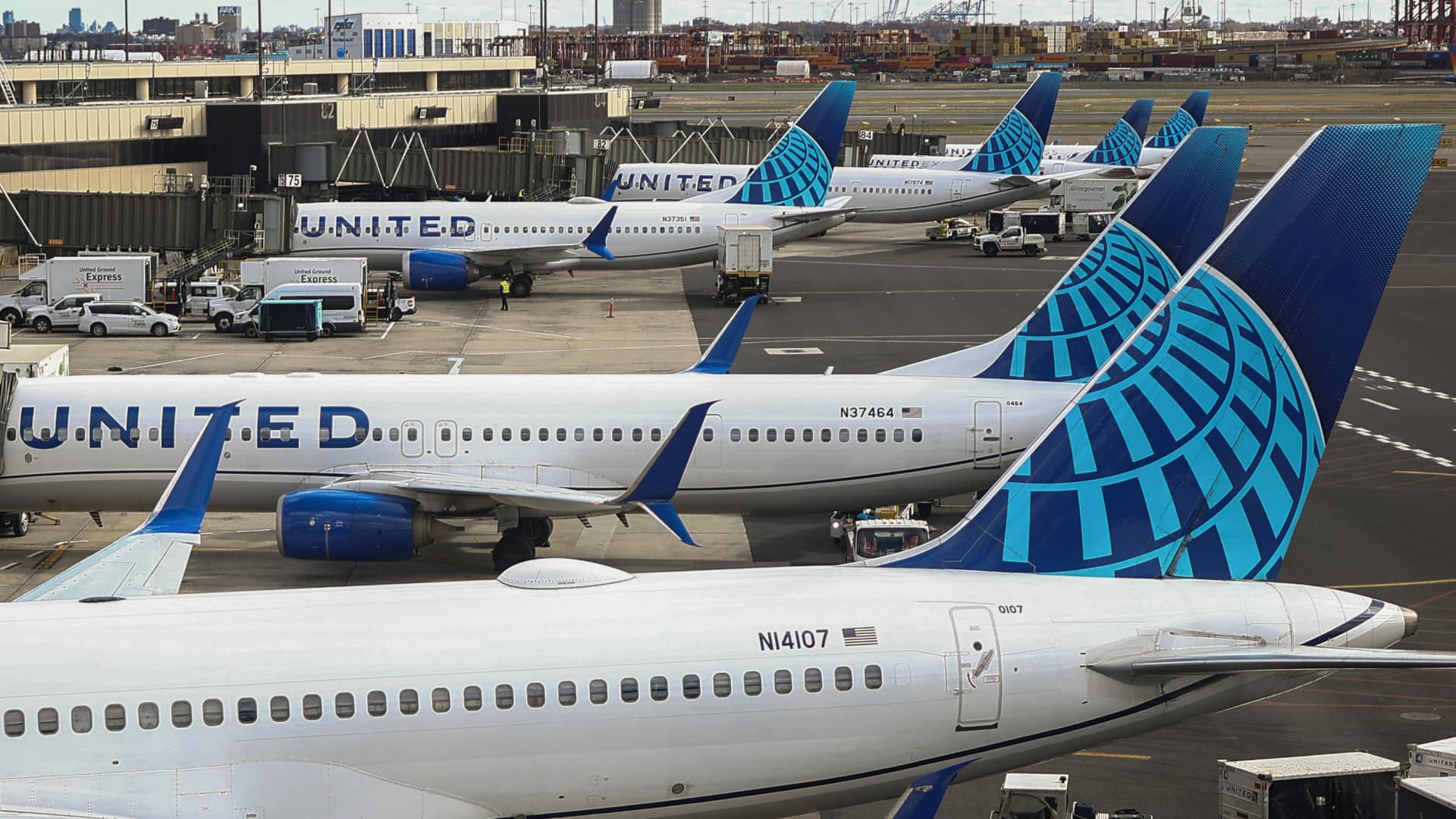
United Airlines experienced a widespread system outage on Monday, disrupting departing flights at major hubs like Newark. The airline clarified that the issue was not a cyberattack and flights currently in the air remained unaffected.
United Airlines System Outage: An Operational Disruption
On Monday, November 15, 2026, United Airlines encountered a significant operational hurdle as a "widespread system outage" grounded departing flights. The incident, which was visually marked by rows of grounded passenger planes at Newark Liberty International Airport (EWR), highlights the extreme fragility of modern aviation infrastructure. As the airline scrambled to troubleshoot the technology issue, it became clear that the disruption was isolated to departing aircraft, leaving flights already in progress safely unaffected.
Distinguishing Technical Failure from Security Threats
In the wake of such high-profile outages, immediate public concern often turns toward the possibility of malicious cyber activity. However, a United spokesperson explicitly stated that there was no indication of a cyberattack. By clarifying that the issue was a internal technology failure rather than a security breach, the airline sought to manage passenger anxiety and maintain trust in their digital network integrity, even as the logistical reality of the delay caused frustration for thousands of travelers.
The Impact of Segmented Operations
An interesting facet of this outage is the scope of the failure. The airline noted that the technical issue did not impact United Express flights, suggesting that the problem was localized to specific internal systems or servers that manage mainline departures. This segmentation likely prevented a total collapse of the airline's daily operations, though it still created significant bottlenecks at major transit hubs like Newark. The inability to process departures while maintaining in-flight operations illustrates the complexity of balancing legacy software with modern, interconnected airport ecosystems.
A Pattern of Volatility in Air Travel
This incident is particularly sensitive given the context of the broader aviation industry. Only three days prior, the United States experienced a nationwide ground stop that halted flights across the country for over four hours. The cumulative effect of these back-to-back technical disruptions underscores a concerning trend: the reliance of modern aviation on centralized digital infrastructure that, when compromised, can paralyze national travel logistics.
Future Implications and Resilience
Moving forward, the airline industry faces increased pressure to modernize and decentralize its flight management systems to prevent single points of failure. As United teams work to restore full operations, the incident serves as a critical case study for regulators and airline executives alike. The focus must shift toward robust redundancy and faster recovery protocols to ensure that passengers are not held hostage by software glitches that have become increasingly common in the digital age of aviation.