U.P. focuses on high-yielding disease-resistant sugarcane varieties, scientific sugarcane cultivation practices and mechanization
Source Entity
India Latest News: Top National Headlines Today & Breaking News | The Hindu
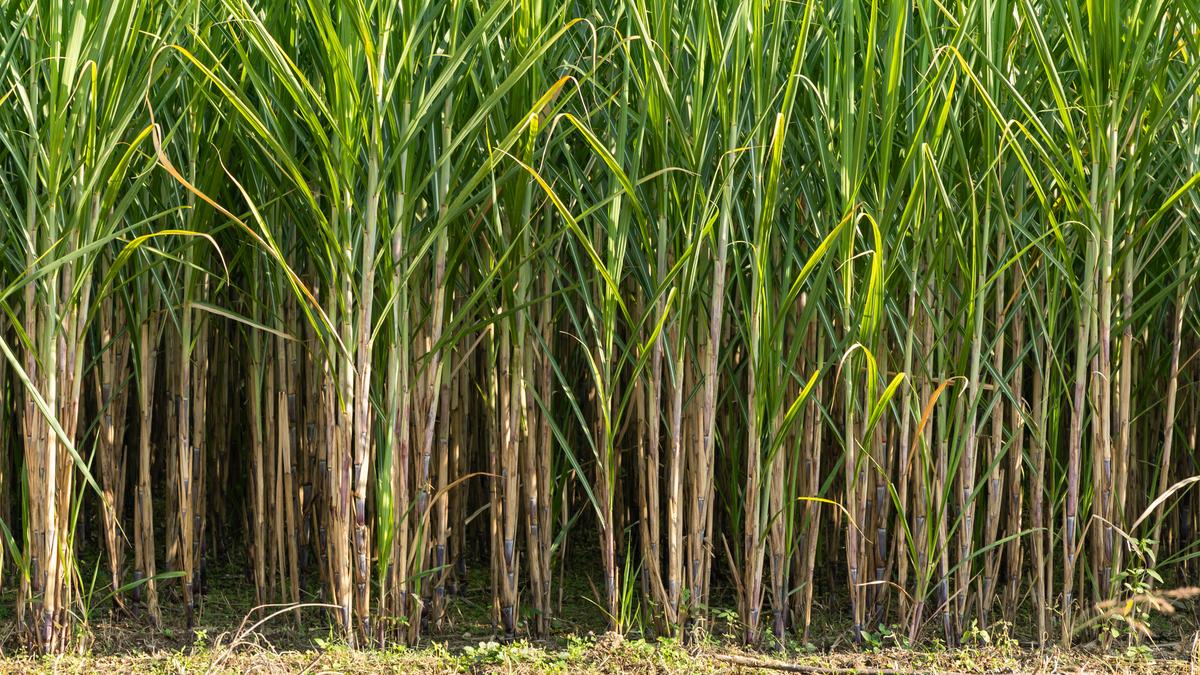
The Uttar Pradesh government is pivoting its sugarcane strategy from land expansion to productivity-led growth. The initiative centers on adopting high-yielding, disease-resistant varieties and advanced mechanization to maximize farmer yields.
Transforming Uttar Pradesh's Sugarcane Sector
The Uttar Pradesh government has officially signaled a strategic shift in its agricultural policy, moving away from the traditional reliance on land expansion for sugarcane production. As of September 25, 2026, the state administration has identified that constrained land availability necessitates a more refined approach to crop management. By prioritizing productivity gains over area expansion, the state aims to secure the long-term sustainability of one of its most vital industrial crops.
The Shift Toward Scientific Cultivation
At the core of this transition is an emphasis on scientific cultivation practices and modern mechanization. The government’s initiative seeks to modernize traditional farming methods, which have historically been labor-intensive and susceptible to environmental fluctuations. By integrating mechanical solutions, the state intends to streamline harvesting and planting processes, thereby reducing waste and increasing the efficiency of labor inputs on sugarcane farms.
Prioritizing Genetic Resilience
A critical component of this strategy is the introduction and widespread adoption of high-yielding and disease-resistant sugarcane varieties. The state is focusing on robust seed systems to ensure that farmers are equipped with genetics that can withstand regional pests and pathogens. This focus on varietal replacement is a proactive measure against crop failure, ensuring that output remains stable even when faced with biological stressors that have historically hampered yield consistency.
Institutional Capacity and Farmer Empowerment
Beyond technical upgrades, the government is focusing on strengthening institutional capacity to ensure that research and development initiatives translate into tangible benefits for the farming community. The goal is to bridge the gap between laboratory-led agricultural innovation and field-level implementation. By ensuring these technological advancements reach the grassroots level, the government hopes to elevate the socioeconomic status of sugarcane farmers through higher output per hectare.
Future Trends and Sustainability
Looking ahead, the success of this strategy will likely depend on the speed of varietal replacement and the adoption rate of mechanized tools. As land availability continues to shrink due to urbanization and industrial demand, the productivity-centric model will become the standard for the state’s agricultural sector. If successful, this shift could serve as a blueprint for other Indian states facing similar pressures on land use, potentially stabilizing the sugar supply chain and bolstering the state's industrial output in the coming decade.
Verification Required?