UPSC Essentials daily subject quiz : International Relations MCQs (Week 179) — Check out answers with explanations
Source Entity
Nitendra Pal Singh
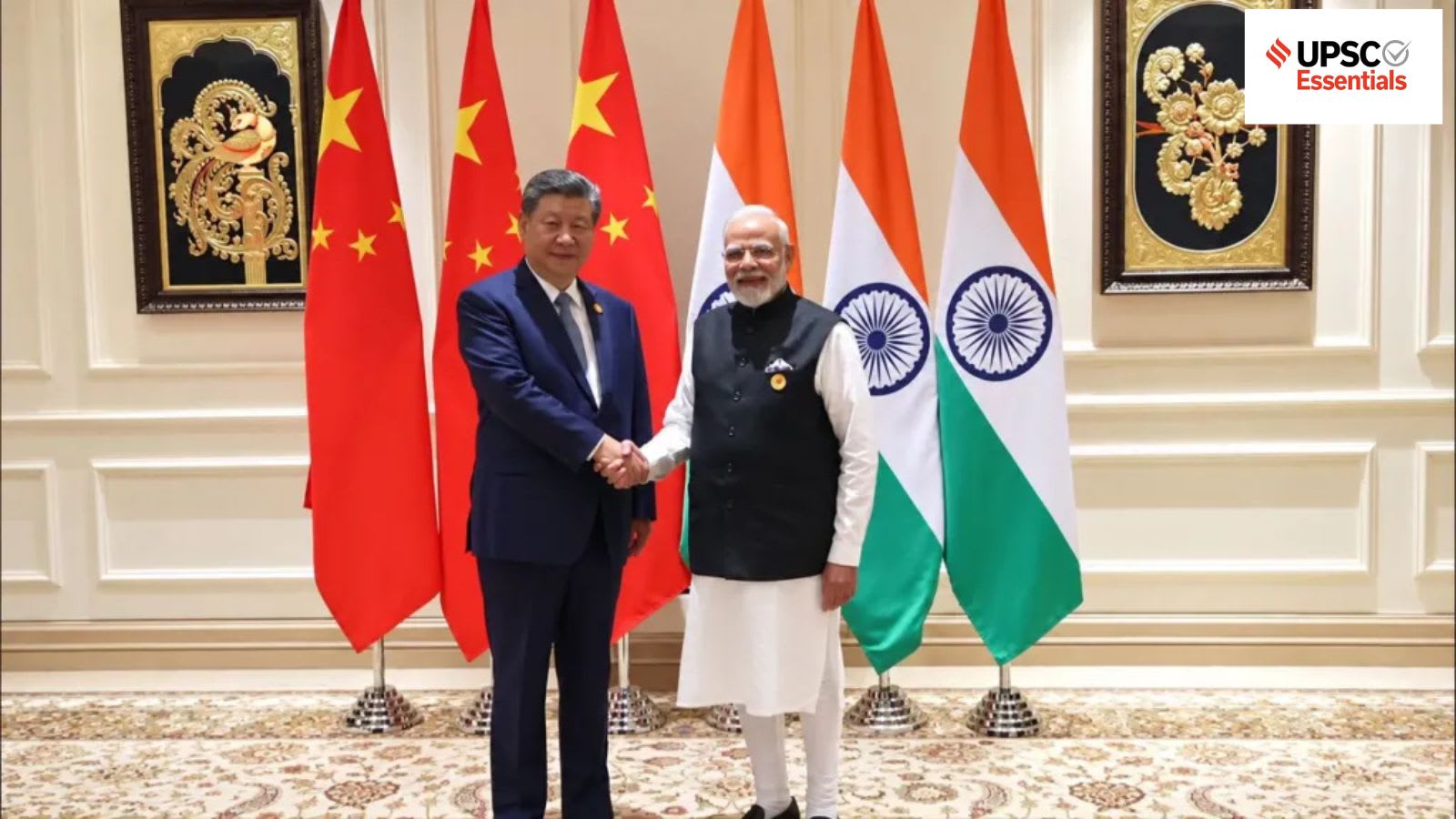
UPSC Essentials has released a new International Relations quiz focused on BRICS declarations. This initiative aims to assist aspirants in mastering key static syllabus topics for their examinations.
Analysis of UPSC Essentials International Relations Quiz
The Union Public Service Commission (UPSC) examination process in India is renowned for its rigorous demand for both current affairs awareness and deep conceptual knowledge of static subjects. The 'UPSC Essentials' initiative, as highlighted in the latest subject-wise quiz, serves as a critical pedagogical tool for aspirants. By focusing on International Relations (IR), specifically the evolving dynamics of the BRICS grouping, the platform ensures that students are not merely memorizing dates but are engaging with the geopolitical evolution of influential international blocs.
The Role of Static Syllabus in Competitive Exams
While current affairs dominate the news cycle, the UPSC syllabus mandates a firm grasp of the 'static' portion—the foundational history, organizational structures, and established agreements of international bodies. The quiz provided by UPSC Essentials bridges this gap by presenting hypothetical or recent declarations related to BRICS, such as the Rio, Bishkek, Tianjin, and Delhi declarations. This approach forces aspirants to differentiate between historical milestones, like the 2022 Samarkand Declaration, and more recent or emerging diplomatic frameworks.
BRICS and Geopolitical Evolution
BRICS (Brazil, Russia, India, China, and South Africa) has become a centerpiece of modern IR study due to its expanding influence in the Global South. The inclusion of specific declarations in the quiz—ranging from the 2022 Samarkand summit to the referenced 2025 and 2026 timelines—reflects the rapid pace at which the grouping is attempting to formalize its cooperation. For students, understanding these declarations is vital for analyzing shifts in global trade, de-dollarization efforts, and multilateral policy coordination.
Pedagogical Value of Subject-Wise Quizzing
Subject-wise quizzes provide an immediate feedback loop that traditional textbook reading often lacks. By offering multiple-choice questions (MCQs) that require the selection of specific correct codes, UPSC Essentials mimics the actual exam pattern of the Civil Services Preliminary Examination. This methodology is designed to improve retention and test-taking speed, both of which are essential for navigating the high-pressure environment of the actual UPSC test.
Strategic Preparation and Future Trends
As international groupings continue to expand and influence global governance, the complexity of UPSC questions regarding these entities is likely to increase. Aspirants are encouraged to utilize resources like the UPSC Essentials magazine for August 2026 to keep pace with these developments. The emphasis on primary sources and official declarations suggests that future examination papers will continue to test the ability of candidates to correlate specific geopolitical agreements with their respective years and host nations.
Conclusion
In summary, the UPSC Essentials International Relations quiz is an essential resource for serious aspirants aiming to solidify their understanding of global diplomatic frameworks. By systematically reviewing declarations associated with BRICS, students can better understand the trajectory of international cooperation. Engagement with such initiatives not only aids in exam preparation but also fosters a more nuanced understanding of the complex, interconnected world that future civil servants will be tasked with navigating.