US army exposed as Trump’s aerial tankers pushed out of Israel; Netanyahu's Iran fear revealed?
Source Entity
Latest News: Today's Latest News Headlines from India & World | Hindustan Times | Hindustan Times
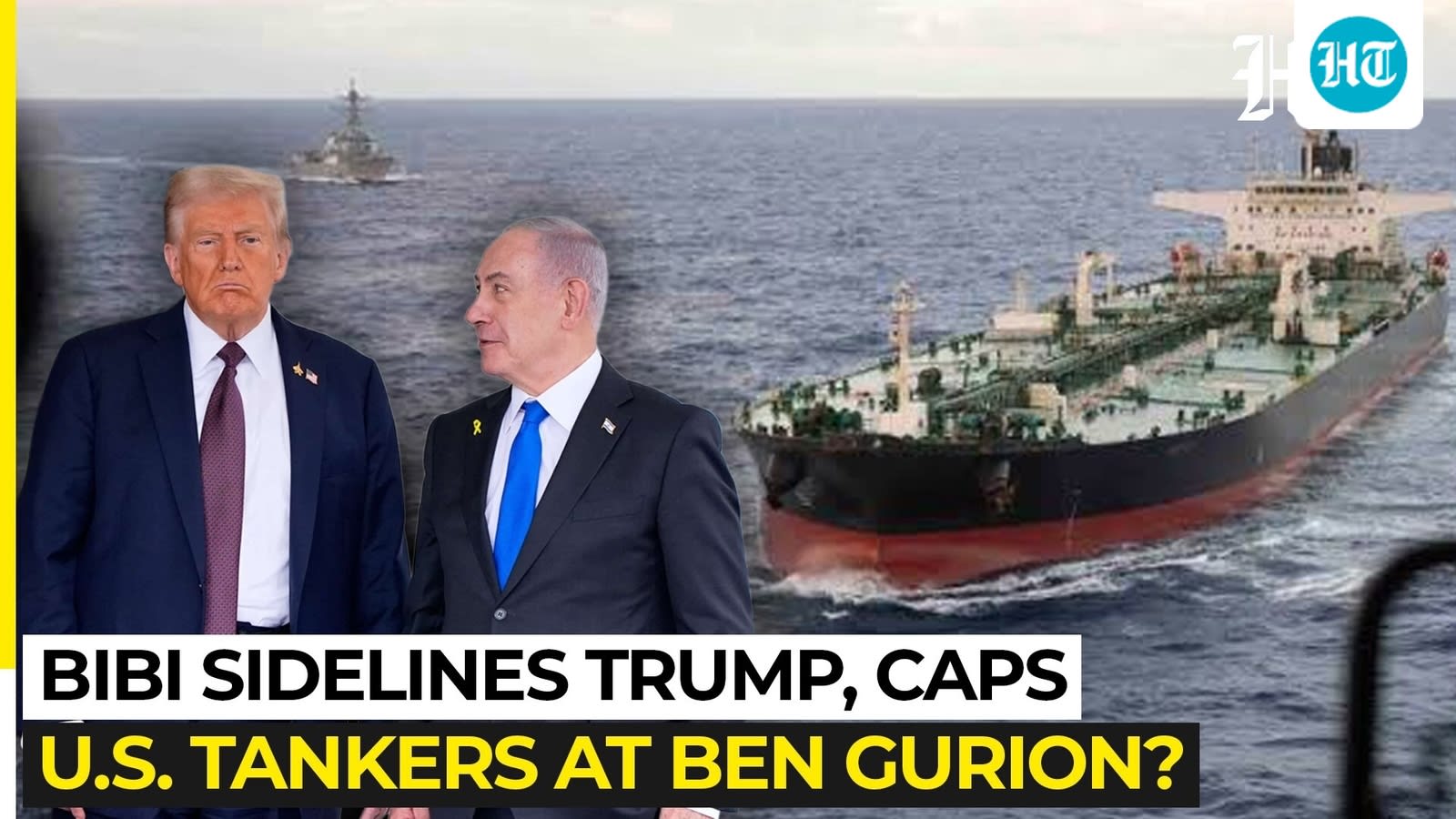
US Air Force refueling tankers have been relocated from Ben Gurion Airport to Israeli Air Force bases amid escalating tensions with Iran and renewed US military strikes, sparking debate over whether the move is logistical or a sign of strategic friction between Washington and Jerusalem.
Strategic Realignments: The Relocation of US Aerial Tankers in Israel
The recent shift of United States Air Force refueling tankers from Ben Gurion Airport to specialized Israeli Air Force (IAF) bases marks a significant tactical adjustment in the military posture of two key allies. While the move is presented as a logistical necessity, the timing—coinciding with renewed US military strikes against Iranian interests and heightened regional volatility—suggests a more complex interplay of security concerns and strategic autonomy. Ben Gurion, being a primary civilian hub, presents a high-visibility target and potential congestion point during active combat operations, making the transition to hardened IAF bases a prudent move for operational security.
Logistics vs. Strategic Friction
From a technical standpoint, aerial refueling tankers are the backbone of long-range power projection. By relocating these assets to IAF bases, the US and Israel can better integrate their air operations and shield critical infrastructure from potential Iranian retaliatory strikes. However, the narrative that these assets were "pushed out" of the main airport hints at a deeper tension. This may reflect Israel's desire to maintain tighter control over the movement of foreign military assets within its borders, ensuring that US operations align precisely with Israeli intelligence and timing, thereby avoiding accidental escalations that could drag the region into a full-scale war.
The Iran Factor and Regional Escalation
The broader context of this relocation is the intensifying shadow war between Israel and Iran. With Washington resuming military strikes on Iranian targets, the demand for consistent aerial refueling has surged. Tankers allow strike aircraft to remain airborne longer and reach deeper targets without landing. The shift to IAF bases likely streamlines the "turnaround" time for these missions. Furthermore, the mention of "Netanyahu's fear" suggests a delicate balancing act: while Israel relies on the US nuclear and conventional umbrella, there is a persistent concern that US involvement might either be insufficient or, conversely, too provocative in a way that disrupts Israeli strategic objectives.
Historical Context of US-Israel Military Cooperation
Historically, the US-Israel security partnership has been characterized by deep integration, from the provision of F-35 stealth fighters to the joint development of missile defense systems. However, this relationship has always been subject to the domestic political climates of both nations. The current relocation of tankers mirrors past instances where operational disagreements led to shifts in how assets were deployed. The ability of the IAF to host these tankers underscores the high level of interoperability between the two forces, but the specific insistence on moving them away from the civilian-adjacent Ben Gurion Airport highlights a shift toward a "war footing" rather than a "support footing."
Future Trends in Middle Eastern Power Projection
Looking forward, this event predicts a trend toward more decentralized and hardened military deployments in the Gulf and Levant. As Iran continues to develop its drone and missile capabilities, the vulnerability of centralized hubs like Ben Gurion becomes a liability. We can expect to see more "distributed lethality," where US and allied assets are spread across multiple smaller, secure locations to avoid single-point failures. Additionally, this move may signal a transition toward more autonomous Israeli operations, where the US provides the critical infrastructure (like refueling) but allows Israel more leeway in the tactical execution of strikes.
Conclusion
In summary, the relocation of US aerial tankers is a multifaceted event that blends practical military necessity with high-stakes diplomacy. While it ensures the safety and efficiency of aerial refueling operations amidst the conflict with Iran, it also exposes the underlying tensions regarding sovereignty and strategic alignment between the US and Israel. As the region remains on a knife-edge, the physical movement of these aircraft serves as a barometer for the escalating intensity of the US-Iran confrontation and the evolving nature of the US-Israel alliance.
Verification Required?