Flights grounded at major US airports after construction workers cut backup cable
Source Entity
AYUSH PANDEY
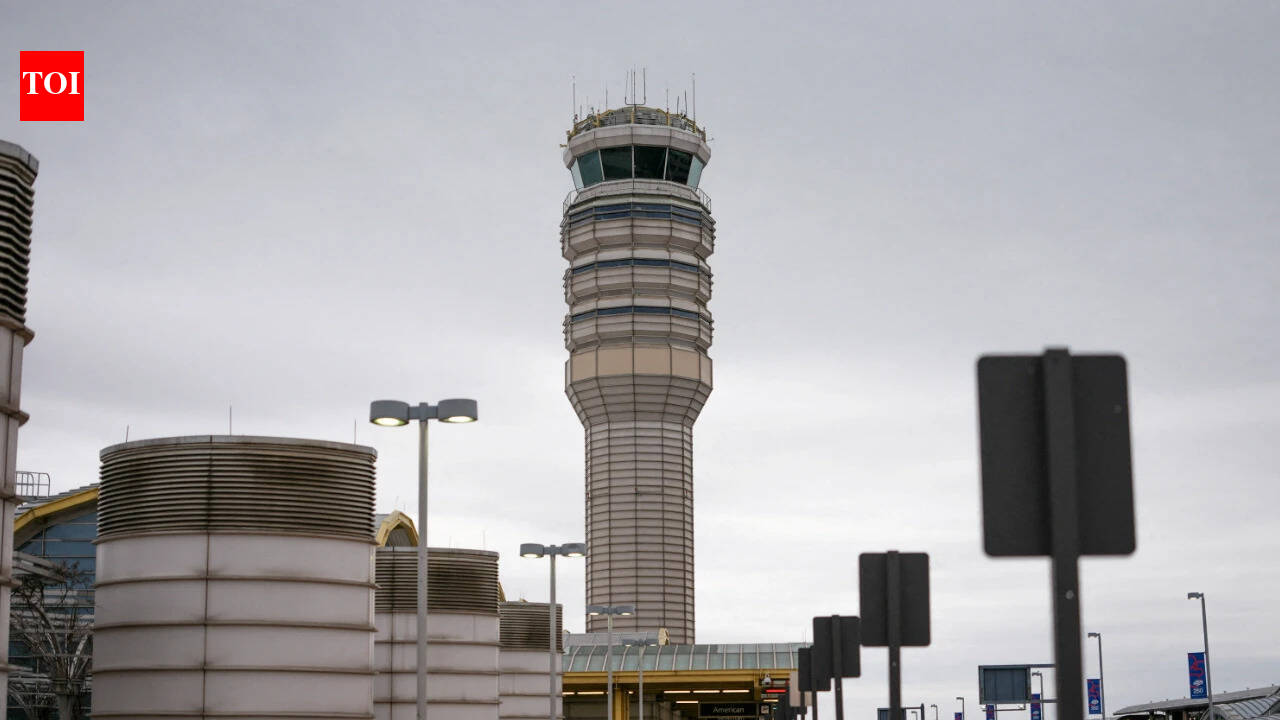
A severed fiber optic cable during construction caused widespread flight groundings across the US Northeast. The incident highlights the vulnerability of the nation's aging air traffic control infrastructure.
Infrastructure Vulnerability Exposed
On a critical Monday, the United States aviation network faced a significant operational crisis when a communication failure cascaded through the Northeast corridor. The disruption originated from a technical failure at a Philadelphia air traffic control facility, compounded by the accidental severing of a backup fiber optic cable during construction work. This dual-point failure paralyzed airspace management, leading to the temporary grounding of incoming flights at major hubs, including Newark Liberty, Philadelphia, Teterboro, Boston, and the three primary New York-area airports.
The Timing and Scope of Disruption
The timing of this failure could not have been more sensitive, as it coincided with the arrival of 130 world leaders and numerous ministers in New York for the annual United Nations General Assembly. The resulting snarl affected more than 1,000 flights, illustrating how a localized construction accident can rapidly escalate into a regional transport emergency. The reliance on specific telecom circuits for air traffic coordination means that even minor physical damage to infrastructure can have outsized consequences for national travel.
Fragility of the Air Traffic Control System
This incident serves as a stark reminder of the underlying fragility of the aging US air traffic control system. Despite the high level of sophistication required for modern aviation, the system remains susceptible to physical infrastructure risks. The fact that a single cut cable could force a halt at multiple major international airports underscores a lack of sufficient redundancy in the current network architecture, leaving the system highly vulnerable to human error and site-specific accidents.
Investment and Modernization Efforts
Recognizing these long-standing risks, Congress allocated $12.5 billion last year specifically for the modernization and upgrade of the air traffic control infrastructure. While these funds are intended to bolster capacity and security, the recent incident proves that the transition toward a more resilient system is far from complete. The gap between current operational requirements and the physical state of the grid remains a significant hurdle for the Federal Aviation Administration (FAA).
Future Trends and Resilience
Looking forward, the aviation industry must prioritize the hardening of communication pathways against physical damage. As the FAA continues its modernization efforts, the focus will likely shift toward decentralized communication nodes and more robust backup systems that do not rely on single points of failure. Until these upgrades are fully realized, the industry remains at the mercy of localized construction incidents, necessitating stricter oversight and improved geographic redundancy for all primary and secondary air traffic control circuits.