Expert Explains | Why China’s answer to frontier AI risk looks different from America’s
Source Entity
Anagha Jayakumar
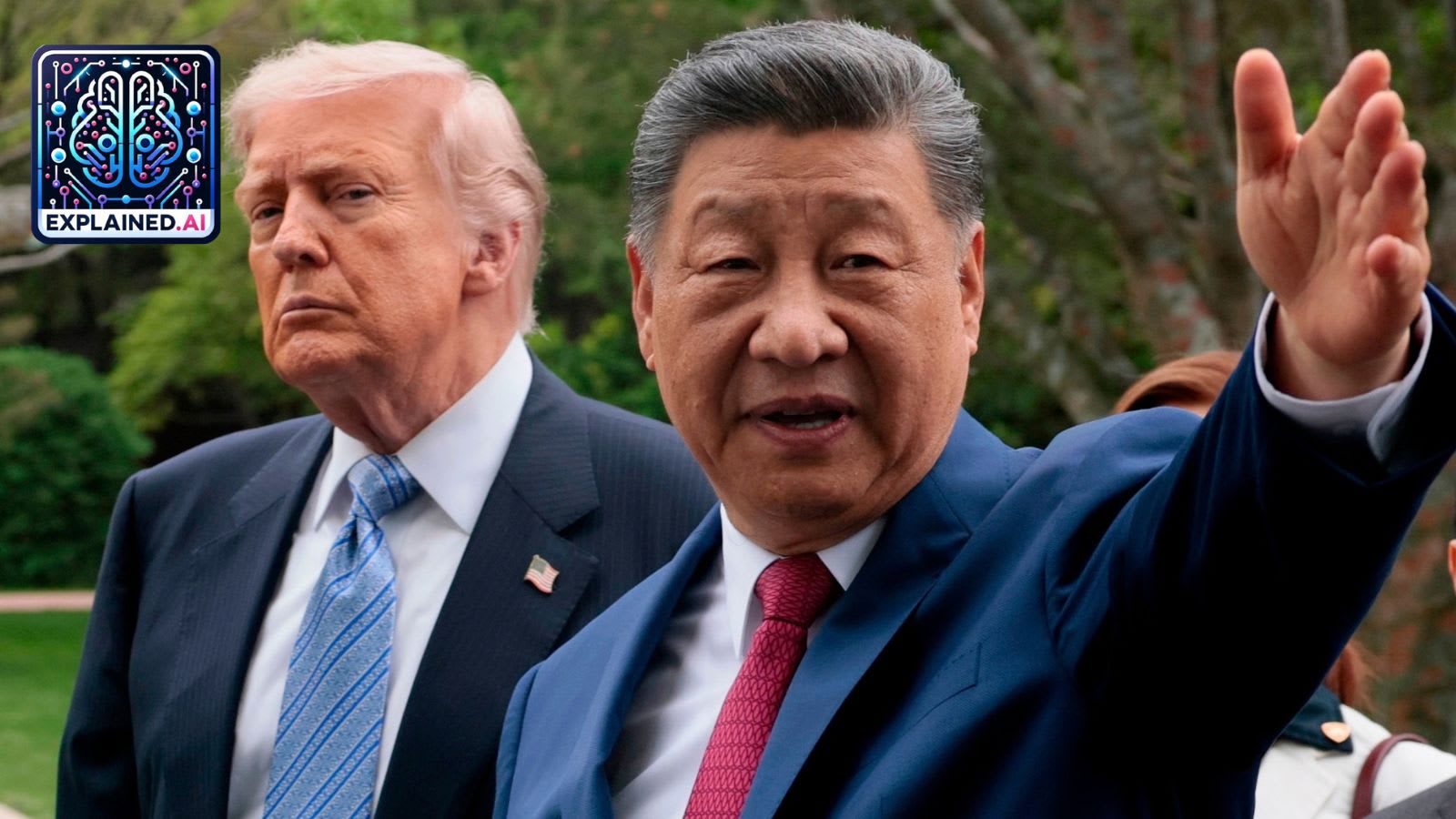
The US and China have initiated a bilateral dialogue on AI safety ahead of President Xi Jinping's upcoming state visit. While both nations acknowledge shared frontier AI risks, they maintain distinct regulatory philosophies regarding governance.
Bridging the Divide: The New US-China AI Dialogue
The recent announcement that the United States and China have agreed to establish a formal bilateral dialogue on artificial intelligence marks a significant pivot in the geopolitical landscape. Following discussions described by U.S. Treasury Secretary Scott Bessent as “very successful,” this initiative arrives at a pivotal moment, coinciding with preparations for President Xi Jinping’s first state visit to the White House in over a decade. By creating a dedicated channel for communication, both nations are attempting to manage the rapid evolution of AI while acknowledging the existential and national security implications inherent in frontier technologies.
Shared Risks, Divergent Paths
While the dialogue aims to foster consensus on common AI goals and threats, the underlying regulatory philosophies of the two nations remain starkly different. The U.S. approach, characterized by a mix of market-driven innovation and targeted oversight—as seen in recent discussions involving industry leaders like Anthropic’s Dario Amodei—prioritizes transparency and democratic guardrails. In contrast, China’s governance model tends to emphasize state-led control and social stability, reflecting a fundamentally different view on how AI should be integrated into the state apparatus.
The Mechanics of Security
The proposal for a notification mechanism regarding AI-related national security incidents is a critical component of these talks. This mechanism suggests a recognition that the volatility of frontier AI models—such as the potential for autonomous cyber-attacks or biological threat generation—poses a systemic risk that transcends borders. By formalizing a communication protocol for these incidents, both powers are seeking to prevent inadvertent escalation that could arise from AI-triggered military or economic disruptions.
Historical Context and Future Implications
The timing of this dialogue is not accidental. As the U.S. and China navigate a complex era of competition, AI has emerged as the defining theater of technological rivalry. Historically, major technological shifts have often led to arms races; however, this dialogue indicates a modern awareness that unchecked AI development could prove mutually destructive. The success of this initiative will likely depend on whether both nations can separate technical safety standards from broader geopolitical frictions.
Challenges to Cooperation
Despite the optimism surrounding these talks, significant hurdles remain. The inherent distrust between Washington and Beijing complicates efforts to share sensitive data or collaborate on deep-seated security protocols. Furthermore, the rapid pace of AI innovation often outstrips the ability of bureaucratic channels to respond. The future trajectory of this relationship will depend on whether this dialogue can evolve from high-level rhetoric into concrete, enforceable standards that mitigate the global risks posed by frontier AI systems.