‘Now this is Xi’s world’: China’s trade engine roars on as Jinping heads to Trump summit
Source Entity
Latest News: Todays Latest News Headlines from India & World | Hindustan Times | Hindustan Times
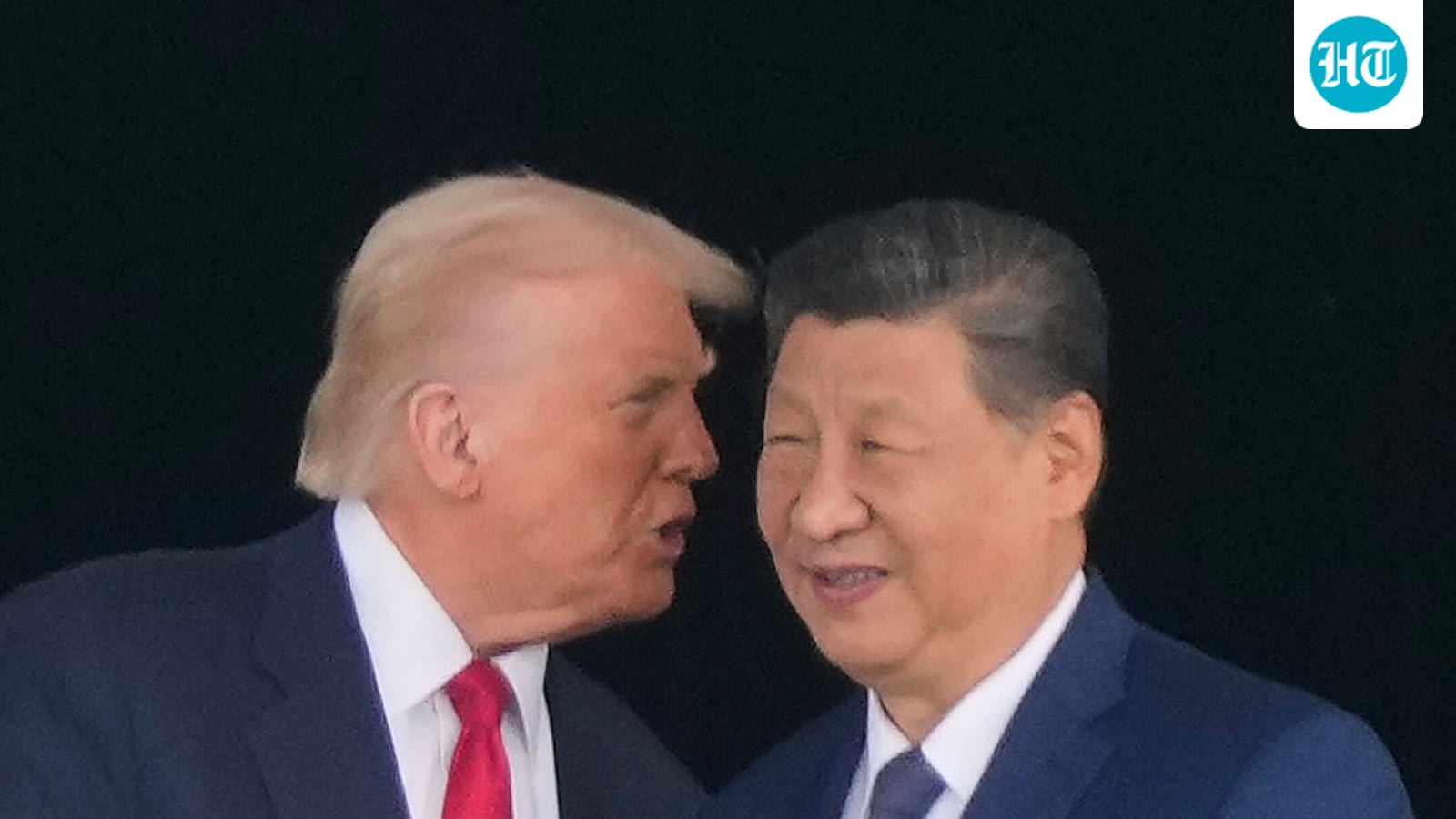
US and Chinese officials are meeting in New York to negotiate an extension of a critical trade truce ahead of the upcoming Trump-Xi summit. The talks address complex issues including AI, trade tariffs, and the ongoing Iran war, amid shifting economic fortunes for both nations.
The High-Stakes Diplomacy of the Trump-Xi Summit
As global tensions reach a critical juncture, the upcoming summit between U.S. President Donald Trump and Chinese President Xi Jinping, scheduled for September 23–25, represents a pivotal moment for international stability. High-level preparatory talks held in New York between U.S. Treasury Secretary Scott Bessent and Chinese Vice Premier He Lifeng underscore the urgency of these negotiations. The primary objective is to manage the fragile trade truce established last year, which is currently set to expire in November, and to navigate the complexities of modern geopolitical challenges.
Economic Shifts and the Trade Truce
The economic backdrop of this meeting is dominated by a stark divergence in momentum. China’s trade engine remains robust, with its global trade surplus projected to exceed $1 trillion for the second consecutive year. Conversely, the United States is grappling with the domestic economic fallout of a costly conflict in Iran, which has placed significant pressure on American consumer sentiment and the administration's approval ratings. This imbalance has fundamentally altered the bargaining positions of the two leaders, with analysts suggesting that Beijing feels less pressure to make immediate concessions compared to previous diplomatic cycles.
The Agenda: Beyond Traditional Trade
While the renewal of the trade truce—specifically regarding the lowering of tariffs and export restrictions—remains the central pillar of the discussion, the agenda has expanded to include critical technological and security concerns. The inclusion of Artificial Intelligence (AI) as a core topic reflects the escalating competition for technological hegemony. By discussing AI frameworks, both nations hope to establish guardrails that prevent a total decoupling of their respective innovation ecosystems, even as they compete for dominance in the sector.
Geopolitical Constraints: The Iran Factor
The ongoing war in Iran serves as a significant wildcard for the Trump administration. The conflict has not only diverted U.S. resources but has also limited President Trump’s political maneuverability at home. Because the war has directly impacted the wallets of American citizens through economic volatility, the administration is under pressure to secure a win in the trade relationship to offset domestic dissatisfaction. Meanwhile, the presence of thorny issues like Taiwan, while likely to be mentioned, may be overshadowed by the immediate need for economic stabilization.
The Role of Personal Diplomacy
Personal diplomacy between President Trump and President Xi is often viewed as the final arbiter of these complex negotiations. By setting the stage in New York before the official Washington visit, officials are attempting to minimize the risk of a public breakdown in talks. The ability of these two leaders to find common ground, or at least a temporary ceasefire in their economic confrontation, will likely dictate the tone of U.S.-China relations for the remainder of the year and potentially into the next fiscal cycle.
Conclusion and Future Outlook
As the summit approaches, the international community is watching closely to see if the "candid and constructive" tone reported by officials will translate into a concrete extension of the trade truce. If an agreement is reached, it would provide a much-needed buffer for the global economy. However, if the divergence in economic fortunes leads to a stalemate, the world may face renewed volatility in trade relations, signaling a new, more unpredictable era of superpower competition.
Multiple Citing Sources
Verification Required?