US and Denmark reach deal over Greenland's security
Source Entity
BBC News
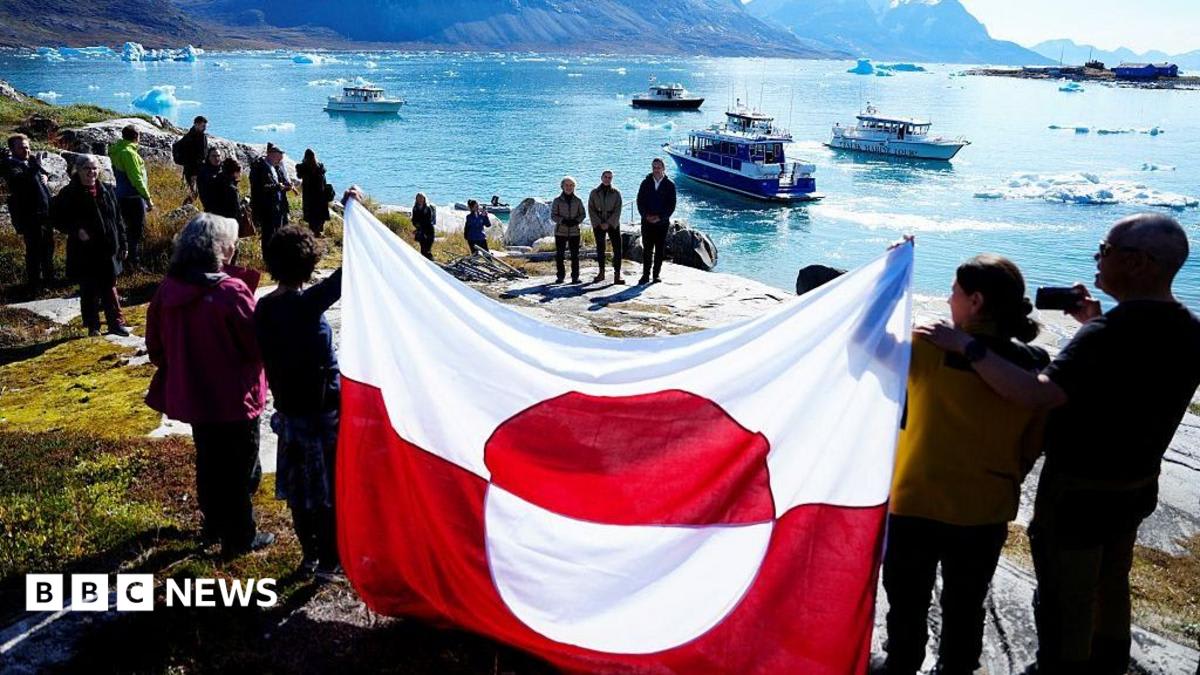
The United States has reached a security agreement with Denmark and Greenland, granting the U.S. permanent control over security and other strategic needs. This deal follows months of tension and aims to bolster Arctic defense, though specifics regarding the extent of U.S. authority remain contested.
A New Era for Arctic Geopolitics
The recent announcement of a security agreement between the United States, Denmark, and Greenland marks a significant escalation in Arctic strategy. President Donald Trump, via social media, declared that the deal grants the U.S. "permanent control over security, and all other needs" within the Danish territory. This development effectively formalizes a deeper U.S. footprint in the North Atlantic, signaling a shift from previous, more informal defense arrangements to a structured, long-term security framework.
Strategic Motivations and Historical Context
The Arctic has long been recognized as a theater of immense strategic importance due to its thawing ice caps and potential for new trade routes. For the United States, Greenland serves as a critical vantage point for defense, particularly regarding monitoring and early-warning systems. The current agreement follows a period of heightened rhetoric, during which the Trump administration previously suggested the possibility of purchasing the island—a move that was met with firm opposition from Greenlandic officials and rebukes from the European Union.
Discrepancies in Diplomatic Messaging
While the U.S. narrative emphasizes "permanent control" and the development of a "large military presence," the Danish perspective appears more measured. Denmark’s Prime Minister has framed the agreement as a measure to "strengthen security in the Arctic and the North Atlantic area," yet has notably refrained from confirming the broader, more expansive administrative claims made by the U.S. side. This discrepancy suggests that while a deal is finalized, the interpretation of its scope remains a point of diplomatic negotiation.
The Future of Greenlandic Autonomy
Greenland has consistently maintained that its territory is not for sale, emphasizing its own political agency despite its status as an autonomous constituent country within the Kingdom of Denmark. The inclusion of Greenlandic representatives in these negotiations indicates a recognition of their local governance, yet the "permanent control" clause raises questions about how this will impact local sovereignty moving forward. The balance between U.S. defense requirements and Greenlandic self-determination will likely be tested as military infrastructure development begins.
Economic and Security Implications
Beyond military hardware, the mention of "all other needs" in the agreement is broad and carries significant implications for future resource management. Greenland’s mineral wealth has been a stated interest for the U.S., and this agreement may provide the framework for future economic cooperation or resource extraction. By securing this deal with "no cost to the United States," the administration is framing the agreement as a fiscal win, though the long-term logistical and political costs of maintaining such a presence in the harsh Arctic climate remain to be seen.
Conclusion and Outlook
The agreement represents a major pivot in how the U.S. manages its northern security interests. By moving beyond the decades-old defense arrangements, the U.S. is signaling that the Arctic is now a primary theater of global competition. As the implementation phase begins, the international community will be watching closely to see how this "permanent" influence manifests in practice and whether it leads to stability or further friction with Arctic neighbors.
Multiple Citing Sources