Big business warns Trump against diesel export ban in joint letter
Source Entity
US Top News and Analysis
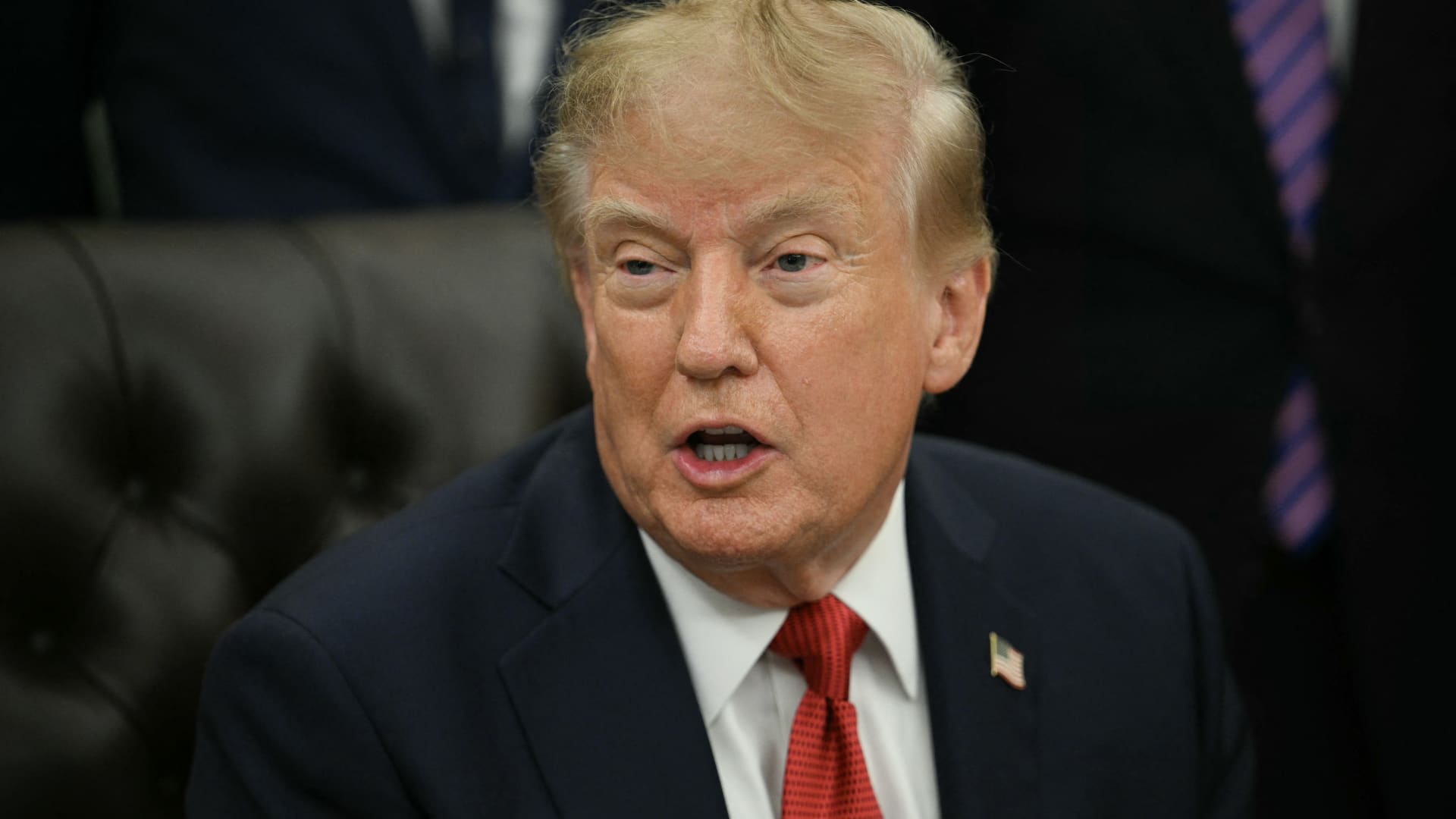
President Trump is weighing a 90-day diesel export ban to address record-high fuel prices driven by global instability. However, major business groups warn this policy could backfire by tightening supplies and increasing costs for consumers.
The Diesel Dilemma: Analyzing the Proposed Export Ban
Escalating Costs and Economic Pressure
The United States is currently facing a precarious energy landscape, with diesel prices reaching a historic high of $6.51 per gallon—nearly $3 more than the same period last year. This surge, exacerbated by the ongoing conflict involving Iran and disruptions in the Strait of Hormuz, has placed an immense financial burden on the logistics, agricultural, and transportation sectors. As Brent crude climbs above $107 per barrel, the administration is under intense pressure to stabilize the domestic energy market.
The Mechanics of the Proposed Ban
In response to these record prices, the Trump administration is evaluating a 90-day moratorium on diesel exports. The logic behind this intervention is to retain domestic fuel stocks within U.S. borders, theoretically increasing supply and lowering costs for American consumers. According to reports, this measure could potentially remain in effect through the end of 2026, marking a significant shift in U.S. trade policy regarding energy commodities.
Industry Pushback and Economic Warnings
Major economic stakeholders, including the U.S. Chamber of Commerce, the Business Roundtable, and the American Petroleum Institute, have issued a stern warning against this proposed ban. In a joint letter, these organizations argue that restricting exports would be fundamentally counterproductive. They contend that such a policy would disincentivize production, tighten global supply chains, and ultimately result in higher costs for the very families, farmers, and truckers the administration intends to protect.
Geopolitical Volatility and Market Reactions
Global fuel markets remain highly reactive to geopolitical instability. With oil prices surging as a direct consequence of escalating tensions between the U.S. and Iran, the market is already experiencing significant volatility. The uncertainty surrounding the proposed export ban acts as a secondary pressure point, as global traders anticipate potential disruptions to the flow of refined products, further inflating benchmarks like WTI and Brent crude.
Historical Context and Future Trends
Historically, energy export bans are viewed as high-risk interventions that often lead to unintended market consequences. By disrupting the global equilibrium of refined products, the U.S. risks retaliatory trade measures and a fragmented supply chain. Looking ahead, the effectiveness of this policy hinges on whether the administration prioritizes short-term domestic supply optics over the long-term stability of global energy markets.
Conclusion
The debate over the diesel export ban highlights the difficulty of balancing domestic price relief with the realities of a globalized energy economy. While the administration seeks to provide immediate, tangible relief to voters, the consensus among industry experts suggests that the cure may be more damaging than the disease. Moving forward, the administration will need to weigh these warnings carefully against the growing political pressure to address the rising cost of living.