To win the humanoid-robots race, the U.S. needs this critical machine component that’s hard to find
Source Entity
William Gavin
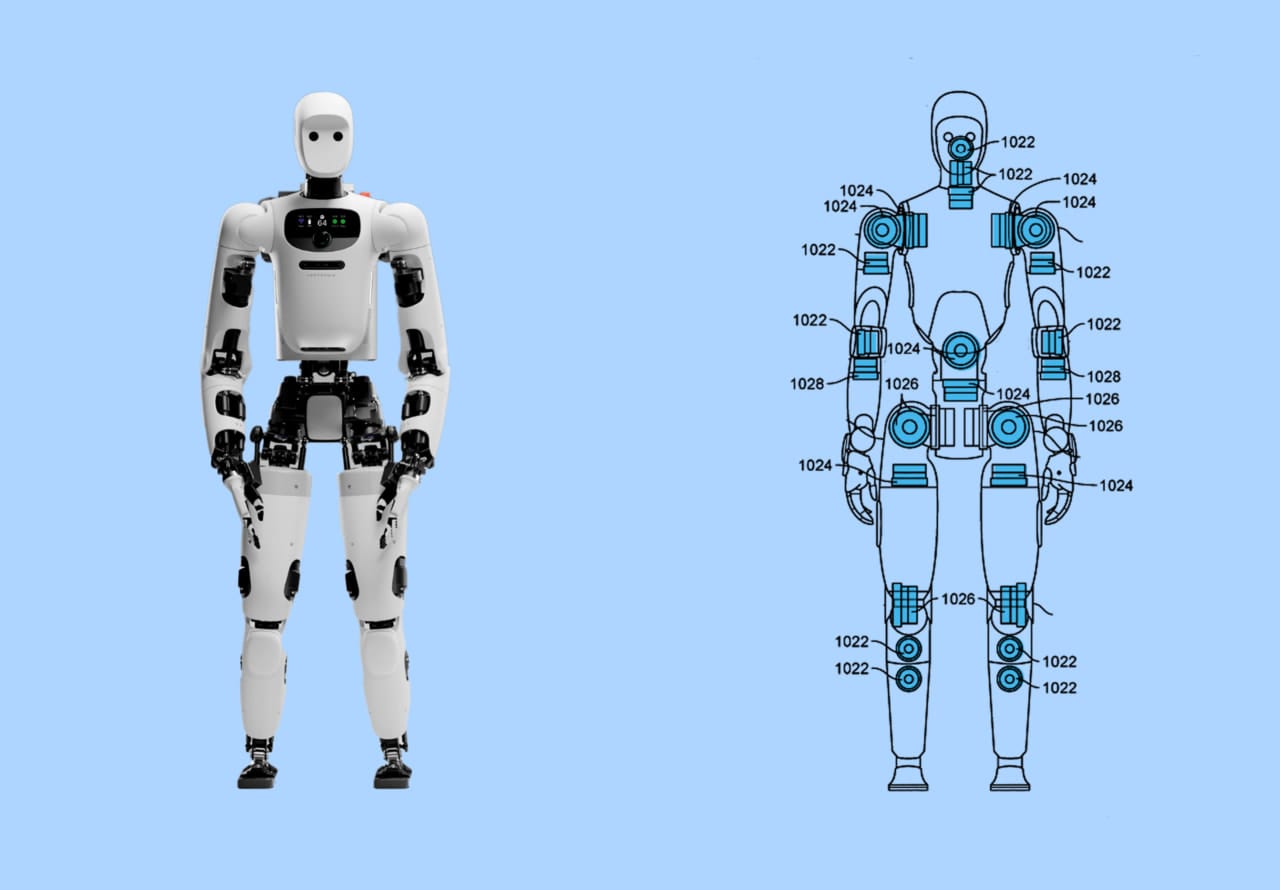
The U.S. faces a significant barrier in the humanoid robotics race due to a lack of domestic supply chains for essential, hard-to-find components. Securing these parts is critical for the nation to remain competitive in the rapidly evolving robotics industry.
The Bottleneck of the Robotics Revolution
Humanoid robots represent one of the most transformative frontiers in modern engineering, promising to redefine labor, personal assistance, and industrial efficiency. While the conceptual vision for these machines is clear, the practical reality of bringing them to market relies on a complex web of precision manufacturing. Currently, the United States faces a stark reality: despite its leadership in software and artificial intelligence, it lacks the robust supply chain necessary to produce the critical, highly specialized components required to build these humanoids at scale.
The Challenge of Critical Components
At the heart of the humanoid robotics race are components that require extreme precision, such as high-torque actuators, specialized sensors, and advanced harmonic drives. These parts are the 'muscles' and 'nerves' of the robot, enabling fluid, human-like movement. The current industrial landscape in the U.S. is heavily reliant on international suppliers for these specific technologies. This dependency creates a strategic vulnerability, as the scarcity of these parts limits the speed at which American companies can transition from prototypes to mass-produced units.
Industrial Policy and Supply Chain Resilience
The inability to produce these parts domestically is not merely a technical hurdle; it is an industrial policy challenge. Historically, the U.S. manufacturing sector has shifted toward software-defined services, often neglecting the deep-tech hardware manufacturing that is now proving vital for robotics. To compete with global rivals, the U.S. must incentivize the domestic production of these intricate components. Without a localized supply chain, the cost of robotics will remain prohibitively high, and the domestic industry will remain susceptible to global logistical disruptions.
Broad Economic and Social Implications
If the U.S. cannot secure a reliable supply chain for these components, the economic implications are significant. Humanoid robots are predicted to fill critical labor gaps in manufacturing, elder care, and hazardous environments. If the hardware cannot be built, these sectors will be unable to leverage the productivity gains promised by AI-driven robotics. The delay in domestic manufacturing effectively slows the integration of these robots into the workforce, potentially ceding the global market to nations that have already optimized their hardware supply lines.
Future Trends and Strategic Outlook
Looking forward, the race for humanoid supremacy will be won by the entities that can master the 'hardware-software' stack. We are likely to see a shift toward 'robotics-first' manufacturing hubs within the U.S., potentially supported by federal initiatives aimed at securing critical component production. As companies continue to iterate on their designs, the pressure to localize production will only increase. Success will depend on the ability to bridge the gap between high-level AI research and the granular reality of industrial component manufacturing.
Conclusion
The trajectory of the humanoid robotics industry is inextricably linked to the availability of its most basic building blocks. While innovation in motion control and AI algorithms continues to accelerate, the physical constraints of the supply chain remain the primary gatekeeper. For the United States to secure a leading position in this sector, it must prioritize the development of a domestic ecosystem capable of producing the essential machine components that currently hold the industry back.
Verification Required?