Here's the inflation breakdown for September 2026 — in one chart
Source Entity
US Top News and Analysis
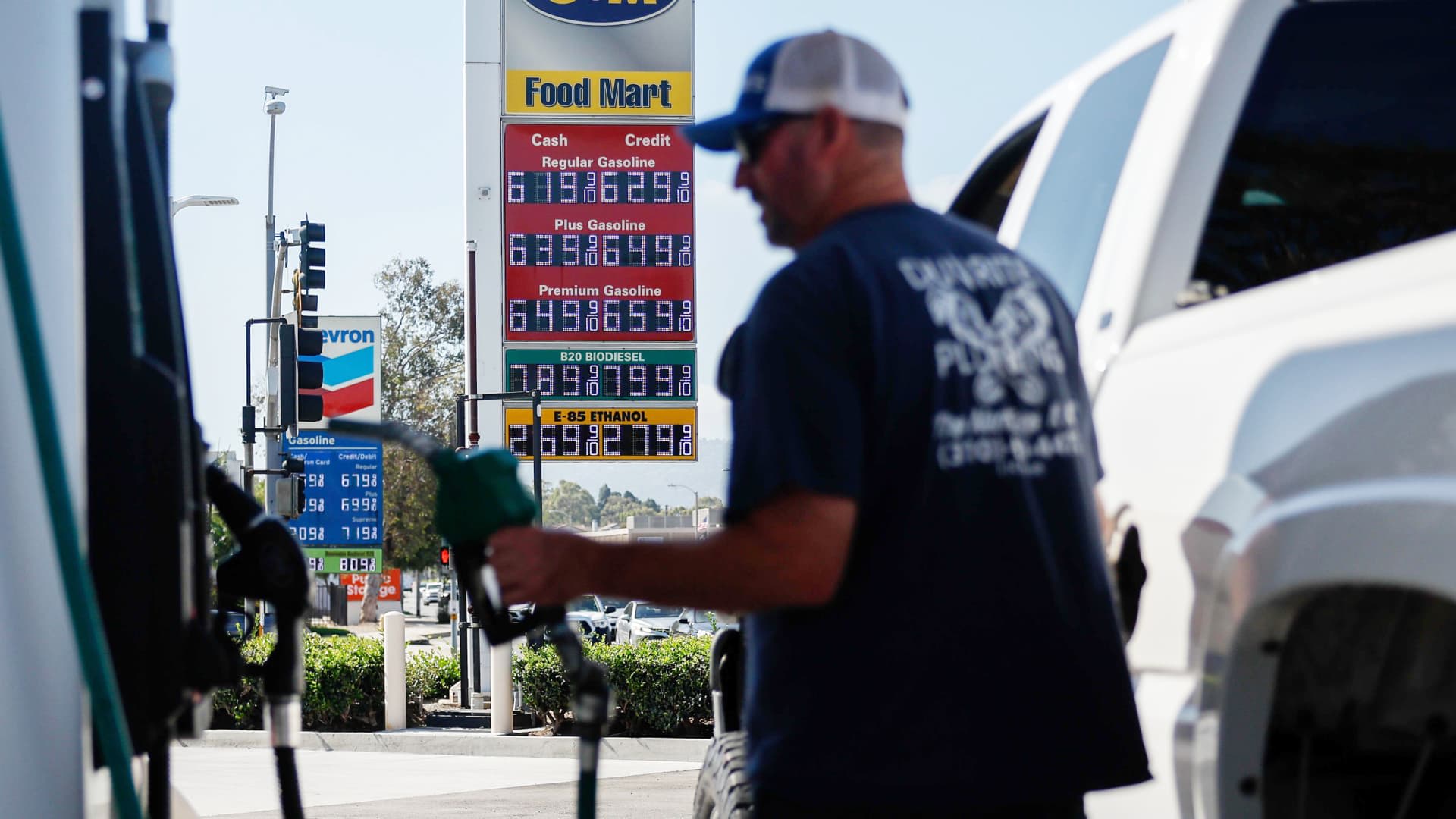
US inflation accelerated to 3.7% in September 2026, driven primarily by rising energy and gasoline costs linked to the ongoing war in Iran. This uptick places significant pressure on the Federal Reserve to consider further interest rate hikes to curb the cost-of-living crisis.
September 2026 Inflation Surge: An Economic Overview
The U.S. economy faced renewed inflationary pressure in September 2026, as the Consumer Price Index (CPI) climbed to an annual rate of 3.7%. This figure, reported by the Bureau of Labor Statistics, represents a notable acceleration from the 3.4% pace observed in August. The data confirms that the cost of living remains a persistent challenge for American households, as price increases outpaced the consensus forecasts of 3.6% suggested by Dow Jones and other market analysts.
The Role of Geopolitical Conflict
At the heart of this inflationary spike is the volatility in the energy sector, which saw the energy index jump by 5.2% during the month. This surge is directly attributed to the ongoing war in Iran, which has disrupted global energy supplies and driven up the cost of both gasoline and diesel fuel. As seen at service stations from California to the rest of the nation, these higher energy costs are not merely abstract figures; they are immediate, tangible expenses that drain household budgets and increase the operating costs for businesses across the supply chain.
Core CPI and Underlying Trends
While headline inflation captures the immediate pain of energy prices, economists are also closely monitoring the 'core' CPI, which excludes volatile food and energy components. Core CPI rose 0.3% for the month and 2.6% on an annual basis, both slightly exceeding analyst expectations. This suggests that inflationary pressures are becoming more entrenched within the broader economy, moving beyond just energy markets and into the core services and goods sectors that define day-to-day consumer spending.
Impact on Federal Reserve Policy
The acceleration in inflation places the Federal Reserve in a precarious position ahead of its October rate decision. With inflation remaining well above the Fed's target, policymakers are now under increased pressure to consider further interest rate hikes to cool the economy. The data acts as a critical signal for investors attempting to predict the Fed's trajectory, as higher rates are typically the primary tool used to dampen demand and slow the momentum of rising prices.
Future Outlook and Economic Implications
Looking ahead, the interplay between the conflict in Iran and domestic inflation remains the most significant variable for the U.S. economy. If energy prices continue to climb, the Federal Reserve may be forced into a more hawkish stance, potentially slowing economic growth in the pursuit of price stability. Conversely, if energy markets stabilize, the pressure on the Fed may ease, though the current data suggests that the path to sub-3% inflation remains fraught with uncertainty and susceptibility to global geopolitical shocks.
Conclusion
In summary, the September 2026 inflation report serves as a stark reminder of how global instability can quickly translate into domestic economic hardship. By pushing the CPI to 3.7%, the energy crisis has reignited concerns about the cost of living and the effectiveness of current monetary policy. As the Federal Reserve prepares for its upcoming meetings, the focus will remain squarely on whether this inflation spike is a temporary byproduct of war or a signal of a more persistent, long-term economic challenge.