U.S. downplays Iran's seizure of unmanned sub in Hormuz Strait
Source Entity
US Top News and Analysis
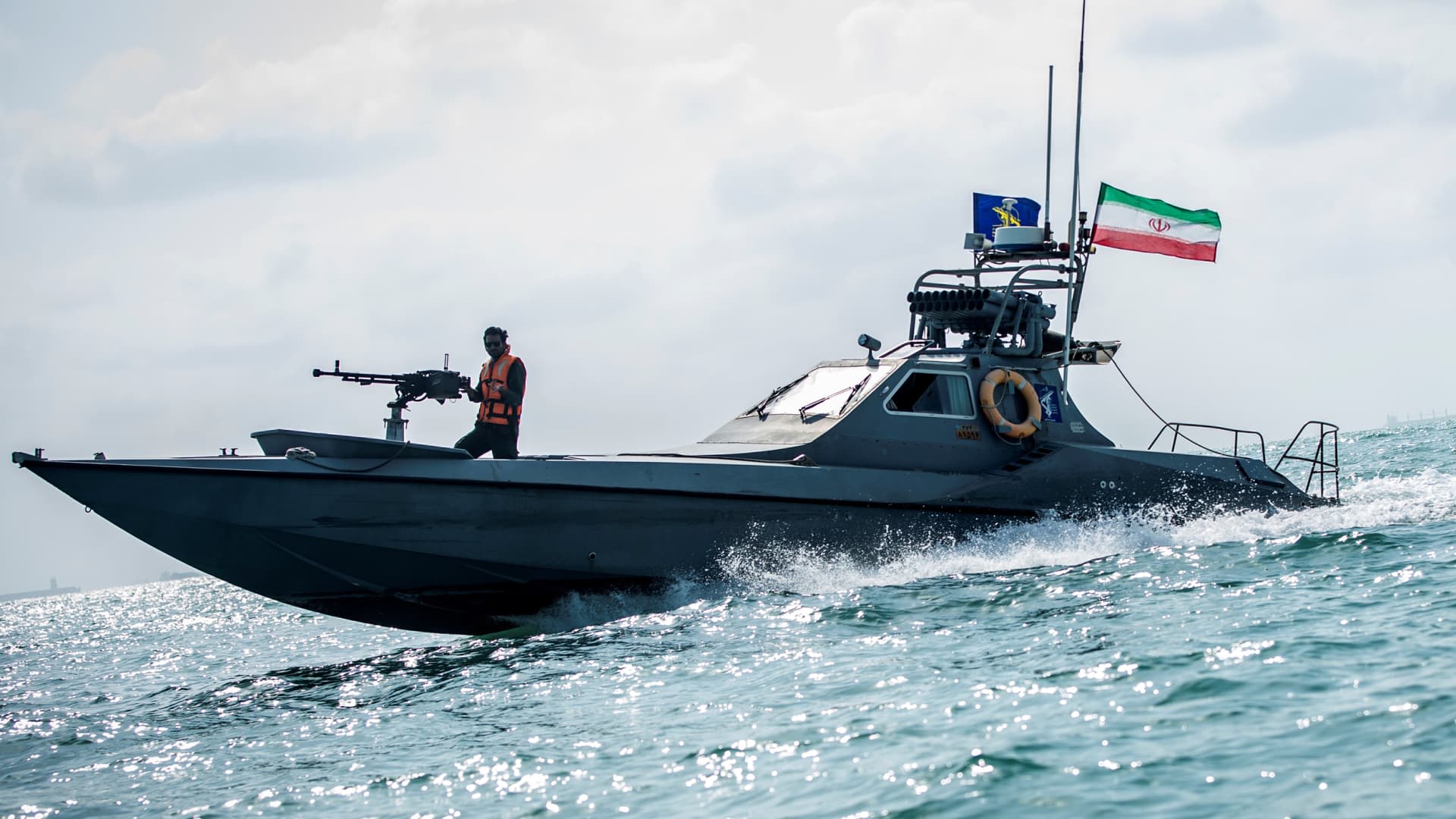
The U.S. military confirmed the seizure of a malfunctioning underwater drone by Iranian forces in the Strait of Hormuz. While Iran claims to have captured a sophisticated asset, the U.S. insists the vessel was defective and lacked sensitive technology.
Tensions Escalate in the Strait of Hormuz
The recent seizure of a U.S. unmanned underwater vehicle (UUV) by Iran’s Islamic Revolutionary Guard Corps (IRGC) near the Strait of Hormuz marks a significant escalation in maritime frictions between the two nations. This incident, characterized by conflicting narratives, underscores the ongoing geopolitical volatility in one of the world’s most critical maritime corridors. While the IRGC has framed the capture as a major strategic victory against the "American terrorist army," the U.S. military has adopted a posture of containment, seeking to minimize the perceived loss.
The Divergent Narratives
The IRGC has publicly identified the seized craft as the 'Dive-LD,' an autonomous underwater vehicle produced by Anduril Industries. By labeling it as the "most modern, smart" submarine in the U.S. arsenal, Iran aims to project technological prowess and signal a capability to challenge U.S. naval dominance in regional waters. Conversely, U.S. Navy Captain Tim Hawkins has stated that the drone was a "defective" unit that had malfunctioned over 24 hours prior to the seizure. By emphasizing that the craft carried no sensitive data or classified equipment, the U.S. is attempting to mitigate the intelligence implications of the loss.
Strategic Importance of the Strait
The Strait of Hormuz remains a central theater for global energy security, as a substantial portion of the world's oil transits through this narrow choke point. The backdrop of this incident—President Donald Trump’s rhetoric regarding oil prices and the prospect of conflict—highlights how maritime skirmishes are inextricably linked to global economic stability. The presence of U.S. drones, such as the Dive-LD capable of 10-day autonomous operations, demonstrates the increasing reliance on unmanned systems to monitor this high-stakes environment.
Technological and Tactical Implications
The Dive-LD, known for its endurance and autonomous capabilities, represents the modern shift toward uncrewed maritime surveillance. The IRGC’s ability to intercept such a vessel, regardless of its operational status, serves as a test of Iran's evolving underwater warfare capabilities. This event highlights the vulnerability of autonomous systems when faced with regional actors who utilize aggressive maritime interdiction tactics. The "first-ever" nature of this specific capture raises questions regarding the future of U.S. drone operations in contested zones.
Broader Geopolitical Context
This incident is not an isolated event but rather a manifestation of long-standing tensions surrounding U.S. operations in the Persian Gulf. As the U.S. continues to assert its right to survey regional waters, Iran’s persistent attempts to assert maritime sovereignty through the IRGC create a cycle of provocation and response. The narrative battle surrounding the "defective" nature of the drone suggests that both sides are keenly aware of the optics involved; the U.S. is prioritizing the protection of its technical secrets, while Iran is prioritizing domestic and regional propaganda.
Concluding Outlook
Looking ahead, it is likely that the U.S. will continue its surveillance operations in the Strait of Hormuz, maintaining that its activities are consistent with international maritime law. However, the loss of the Dive-LD to Iranian forces may necessitate a reassessment of deployment protocols for autonomous systems in high-threat areas. As both nations continue to trade attacks and accusations, the Strait of Hormuz remains a flashpoint where the intersection of advanced technology and traditional military posturing could lead to further, more volatile confrontations.