Iran official arrives in Pakistan with president’s letter; Trump asks mediators to douse the fire?
Source Entity
Latest News: Today's Latest News Headlines from India & World | Hindustan Times | Hindustan Times
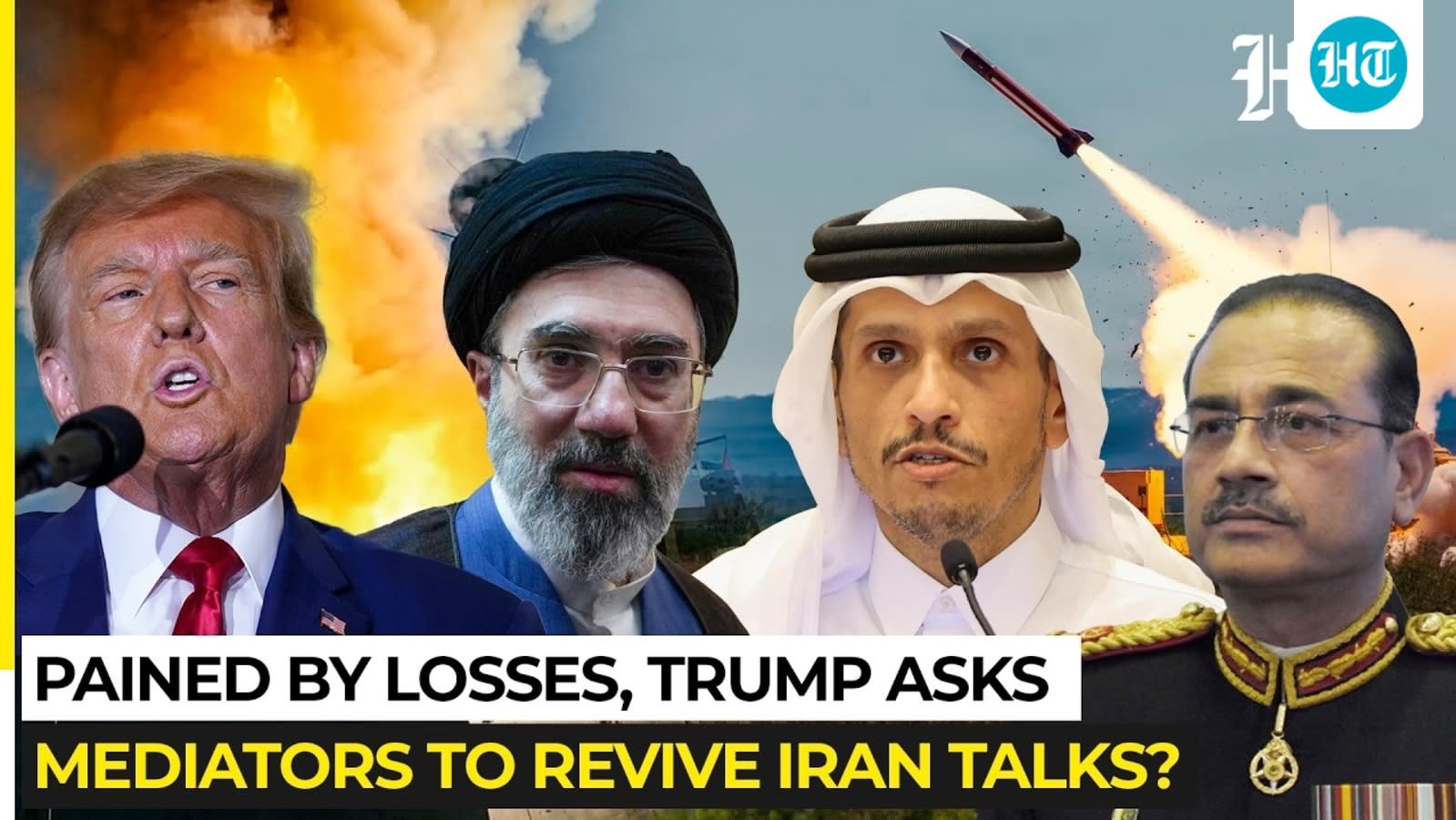
As U.S.-Iran hostilities enter a tenth day, President Trump is leveraging Qatar and Pakistan for back-channel mediation. These efforts face significant instability due to ongoing Iranian missile and drone strikes against Kuwait and Bahrain.
The Escalating Conflict: A Decade of Kinetic Standoff
The ongoing conflict between the United States and Iran has reached a critical inflection point, marking ten consecutive days of direct military engagement. This sustained period of hostilities represents a significant departure from previous proxy-based skirmishes, signaling a volatile shift in regional security dynamics. The intensity of these strikes has necessitated an urgent diplomatic intervention to prevent a wider, uncontrolled conflagration in the Middle East.
The Role of Back-Channel Diplomacy
In response to the deteriorating security situation, President Trump has initiated a high-stakes diplomatic maneuver, seeking to leverage the strategic influence of Qatar and Pakistan. The arrival of an Iranian official in Pakistan, carrying a letter from the Iranian leadership, highlights the desperate search for a communication conduit. By engaging with key regional power brokers, the administration aims to revive a fragile memorandum of understanding that could potentially de-escalate the current military posture.
Strategic Mediation and the Hormuz Proposal
Central to these discussions is the "Hormuz pause" proposal, an attempt to stabilize the critical maritime chokepoint that serves as a global artery for energy transit. Meetings with officials such as Asim Munir underscore the reliance on established military and intelligence channels to facilitate these talks. The goal is to establish a temporary cessation of hostilities that could pave the way for a more permanent diplomatic framework, effectively "dousing the fire" before the conflict spreads to additional state actors.
The Challenge of Persistent Aggression
Despite the push for mediation, the efficacy of these back-channel efforts is severely hampered by Iran’s continued offensive operations. The reports of targeted missile and drone strikes against Kuwait and Bahrain introduce a layer of complexity that threatens to derail any progress. These attacks not only expand the geographic scope of the conflict but also force the U.S. and its allies to prioritize immediate defensive requirements over long-term diplomatic negotiations.
Future Trends and Regional Stability
The immediate future remains precarious, as the success of mediation efforts hinges entirely on whether Tehran is willing to decouple its regional offensive operations from the diplomatic dialogue occurring in Islamabad and Doha. If the "Hormuz pause" fails to gain traction, the region risks a prolonged period of instability, characterized by persistent drone warfare and the erosion of maritime security. Observers should monitor whether the current diplomatic pressure can successfully translate into a tangible reduction in kinetic activity across the Gulf.
Verification Required?