US-Iran War News Live Updates: US strikes Iran for 11th straight night as fight over Strait of Hormuz escalates
Source Entity
The Indian Express
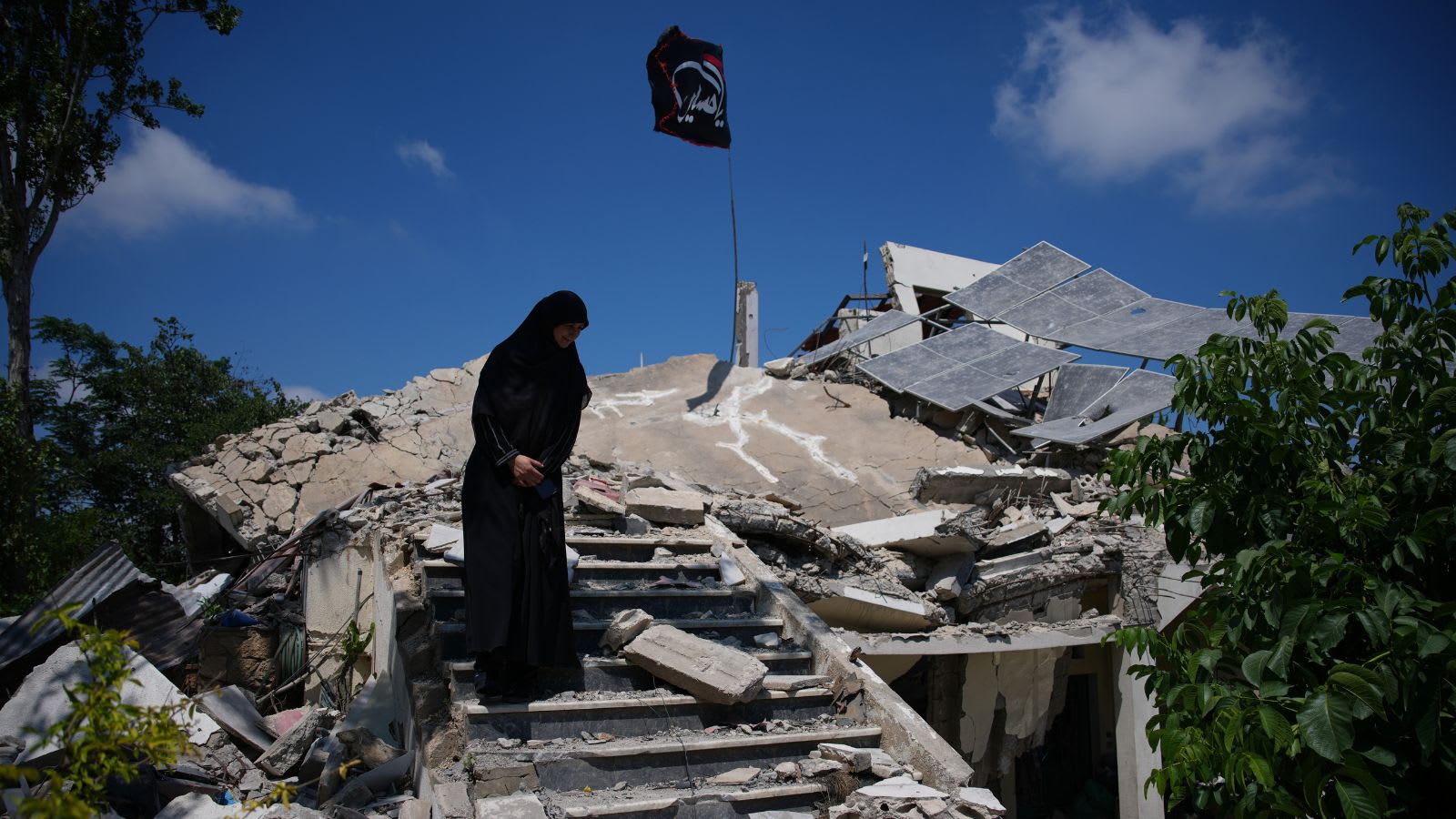
The United States has entered an eleventh consecutive night of military strikes against Iran, targeting infrastructure and nuclear facilities. The conflict has expanded to include regional allies, with reports of attacks in Kuwait, Bahrain, and Jordan alongside a Houthi-led naval blockade.
The Escalation of US-Iran Hostilities: An Eleven-Night Campaign
The ongoing military engagement between the United States and Iran has reached a critical juncture, marking eleven consecutive nights of targeted strikes. According to U.S. Central Command (Centcom), these operations are explicitly designed to degrade Iran’s capacity to threaten commercial shipping within the strategic Strait of Hormuz. This persistent military pressure reflects a significant departure from the fragile ceasefire established in April, signaling a total breakdown in diplomatic containment.
Strategic Targets and Regional Implications
The scope of the U.S. strikes has expanded beyond initial maritime security objectives to include inland targets across Iran. Reports of explosions in major urban and industrial centers—including Tehran, Tabriz, Chabahar, Konarak, and Bushehr—highlight the intensifying nature of the campaign. The targeting of areas near Bushehr, home to Iran's only nuclear power plant, combined with President Trump’s explicit threats against underground nuclear sites near Natanz, suggests that the U.S. is prioritizing the neutralization of Iran’s nuclear infrastructure as a primary objective.
The Widening Regional Conflict
The conflict has rapidly transcended a bilateral dispute, drawing in regional players and threatening critical infrastructure. The reported fires at desalination plants and power stations in Kuwait, coupled with strikes impacting Bahrain and Jordan, demonstrate the high-stakes nature of this confrontation. Furthermore, the declaration of a naval blockade on Saudi Arabia by Yemen’s Houthi rebels underscores the multi-front nature of the crisis, as Iranian-aligned proxies leverage the chaos to exert pressure on U.S. allies.
Economic and Global Security Risks
Central to this escalating volatility is the Strait of Hormuz, a global maritime chokepoint. The report of two tankers catching fire after taking what was described as an "unsafe route" highlights the immediate dangers to global energy supply chains. As the U.S. attempts to secure these shipping lanes through force, the risk of miscalculation remains high. The disruption of desalination plants and power infrastructure in neighboring states serves as a grim reminder that modern warfare in the Middle East has immediate humanitarian consequences for civilian populations far removed from the primary theaters of combat.
Prospects for Future Stability
Looking forward, the rhetoric from both Washington and Tehran indicates a lack of immediate de-escalation. While President Trump has characterized Iran as being "desperate" for talks, the reality on the ground—defined by active air defenses and retaliatory strikes—suggests that both nations are currently locked into a cycle of kinetic escalation. Without a credible diplomatic off-ramp, the risk of a broader regional conflagration remains at its highest point in years, particularly as the threat to Iranian nuclear facilities persists as a primary catalyst for potential further retaliation.
Multiple Citing Sources