US-Led Troops Exit Iraq: What Is Next For Pro-Iran Groups?
Source Entity
NDTV News Search Records Found 1000
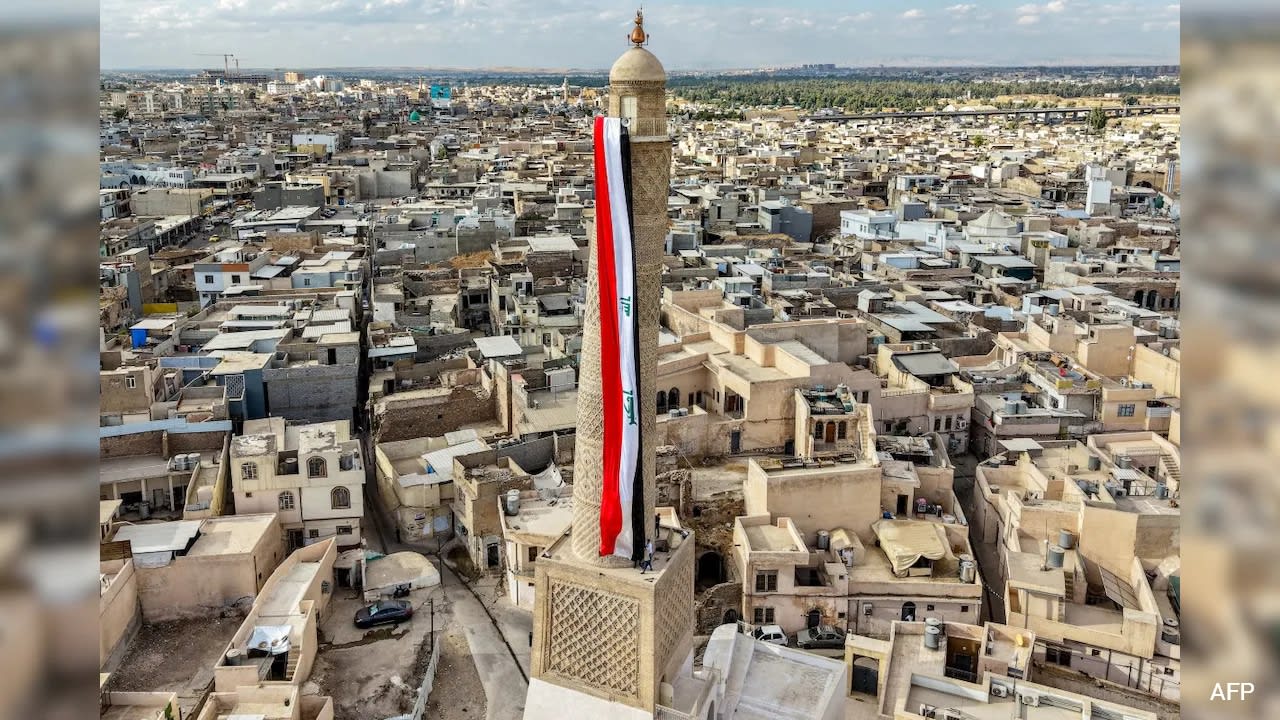
The US-led coalition has completed its withdrawal from Iraq, ending a long-standing anti-Islamic State mission. This exit follows intense security pressures and a strategic agreement between the Iraqi government and coalition partners.
The End of an Era: Coalition Withdrawal from Iraq
Iraq has officially marked the conclusion of the US-led anti-Islamic State coalition’s presence within its borders. This withdrawal, which follows a strategic agreement finalized two years ago, represents a significant shift in the security architecture of the Middle East. The departure of these forces reflects the Iraqi government's long-standing demand for full sovereignty and a transition away from foreign military presence in its territory.
Escalation and Security Challenges
The final stages of this withdrawal were conducted under extreme duress. Following the onset of the conflict between the US, Israel, and Iran earlier this year, coalition bases—most notably the Irbil air base—became primary targets for regional militias. The security environment deteriorated rapidly, with reports indicating that during the height of the bombing campaigns, coalition facilities were subjected to as many as 28 drone and missile attacks per day. This constant threat necessitated a high-readiness posture, with RAF Regiment Gunners successfully intercepting over 100 drones in the first six weeks of the conflict alone.
The Impact of Regional Tensions
The presence of coalition forces became increasingly precarious as regional tensions spilled over into Iraqi territory. In April, a BBC team reporting from Irbil witnessed the volatility firsthand, forced to circle the base in an RAF aircraft while hostile drones were actively being launched nearby. This incident underscored the fragility of the operational environment, where even temporary ceasefires between the US and Iran did little to deter local militia activity aimed at foreign military assets.
Historical Context and Strategic Shifts
This departure is not a sudden development but the culmination of a multi-year effort to phase out the coalition's role. As early as March, hundreds of NATO troops stationed in Baghdad had already departed, signaling the beginning of the end for the mission. The transition reflects a broader trend of Western powers recalibrating their military footprints in the Middle East to mitigate the risks posed by regional proxy warfare and to prioritize local Iraqi control over security operations.
Looking Ahead: The Future of Iraq
The withdrawal leaves a significant power vacuum that the Iraqi government must now manage independently. With the departure of the coalition, the focus shifts to how the Iraqi state will address the influence of pro-Iran groups that previously directed their efforts against US and UK forces. The long-term stability of the region will depend heavily on whether the Iraqi security apparatus can maintain control over its sovereign airspace and territory without the direct support of international partners, marking a critical transition period for the nation's geopolitical trajectory.
Verification Required?